Type a code or product name for instant results
“From the start, we’ve made quality the standard in both construction and industry — trust is the signature of our engineering.”


KARAM was founded in Istanbul with a vision to manufacture safety equipment; the first harness line went live.
As part of its alignment with Europe, Türkiye has introduced criteria for many types of work and made European-style precautions a principle. In construction — the sector with the most fatal accidents in the country — using a full body safety harness has become mandatory, with the occupational safety measures of European countries taken as reference. Now compulsory for work at height, these harnesses provide continuous protection.
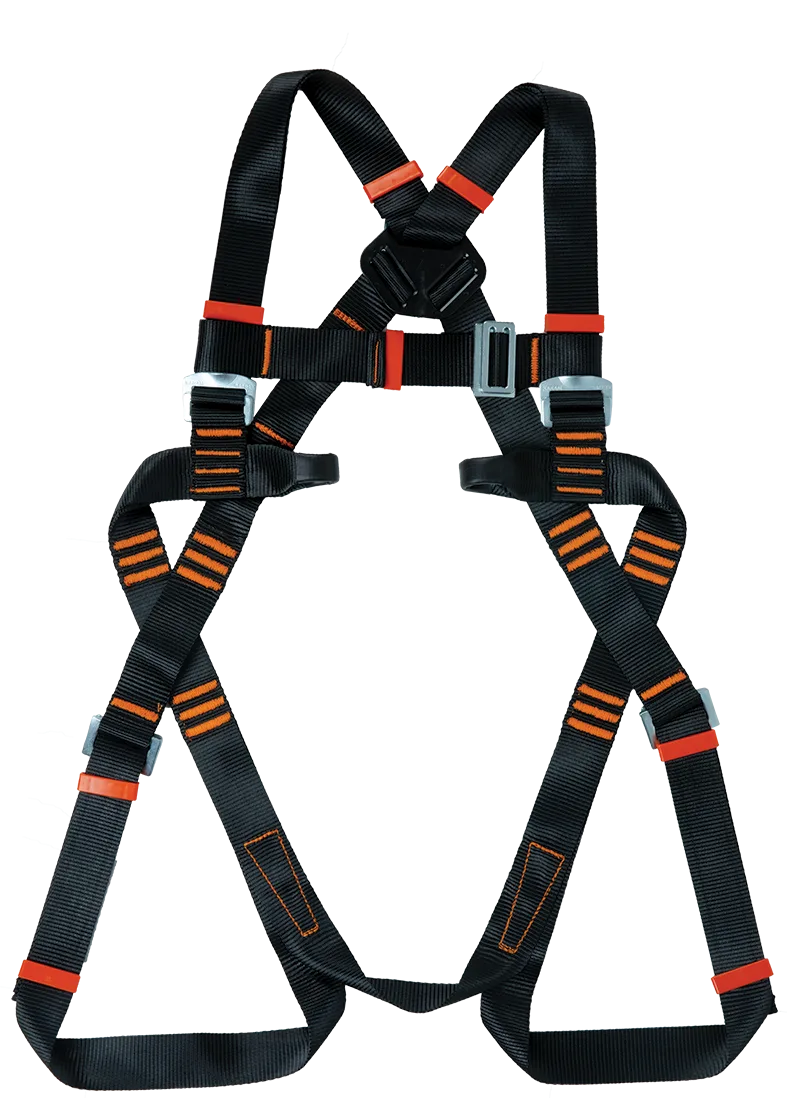
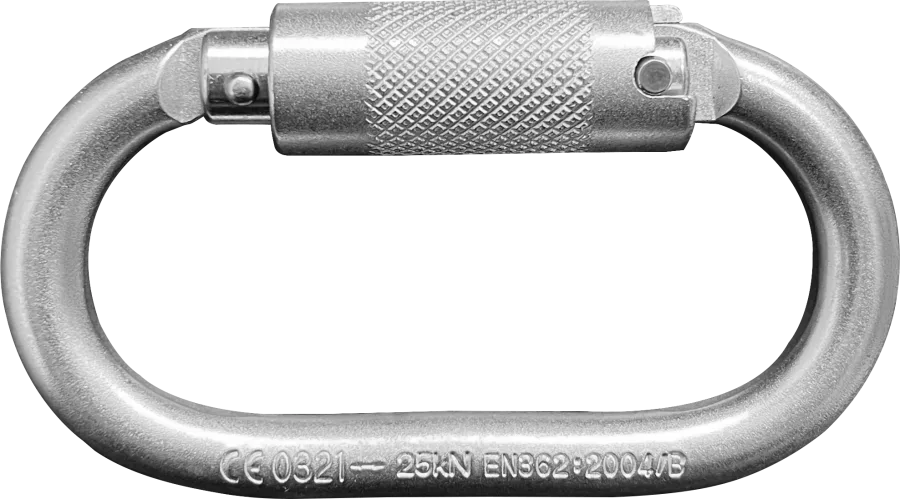
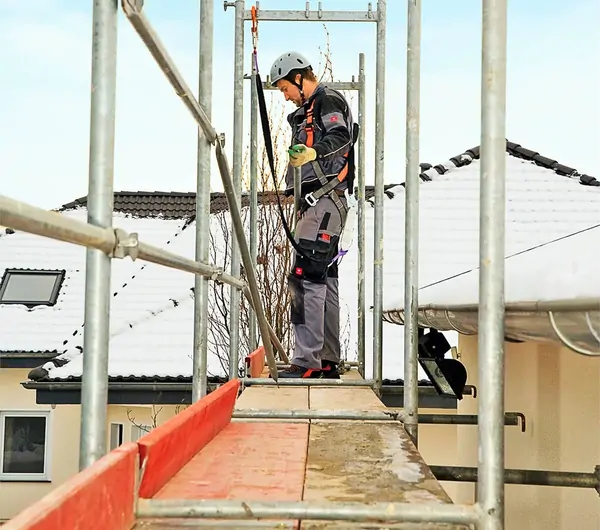
Offering continuous protection, full body harnesses are suitable for every kind of work at height. Their professional mechanism fits the human body precisely, and the supported waist structure holds the body completely. In the event of a fall, the harness keeps the wearer under control. Its steel carabiner lets you hold on to the work area, while a dedicated lanyard lets you reach every point with ease.
For many companies, any place higher than a single step that cannot be reached without a ladder is considered “at height”. Where there is a risk of falling and collective protection cannot be provided, a full body safety harness is mandatory for the person exposed to the hazard. A shock absorber and lanyard are chosen according to the height and the type of work.
A safety harness ties the worker at height to life. In an accident, it keeps the person suspended to protect them from the consequences of the fall. A shock absorber reduces the swing and the impact the body takes during the fall arrest. With a waist-supported full body harness, injuries are kept to a minimum.
The full body harness, preferred for work at height, is a mandatory piece of equipment. Before use, make sure the anchorage points are suitable and correct. Always check that the stitching is not deformed and inspect the buckles every time.
When choosing a full body harness, check its standard number. Before use, the fit at the arms and torso must be correct, and you should start putting the harness on from the shoulders. Once connected to the work area, you can carry on with the task. With long-term use, also check whether the harness has become deformed.
Safety brings many methods to mind. In daily life we all face risks and want to take precautions against them, because by nature people fight for their lives and do whatever is needed in the face of danger. Full body harnesses, used at workplaces and anywhere there is a risk of falling, are among the foremost of these precautions.
A full body harness is safety equipment made of webbing and connecting elements. These harnesses, which protect people from falls, can be produced in various ways depending on the material and the place of use, and the price depends on how they are made. That is why you will find a wide range of options when it comes to full body harness prices.
When it comes to human health, taking precautions in advance is always wiser. You may feel sure nothing will happen at that moment, yet the smallest overlooked detail can put you in danger — and then the precaution taken beforehand saves a life. A safety harness does not just tie you to where you stand; it ties you to life. Employers, and anyone starting a job with a fall risk, should provide a full body harness.
Prices differ from place to place, so it is not possible to name a fixed price. You can find well-priced options that meet the required features; as the quality of the material increases, the price rises accordingly.
Full body harnesses are put on in different ways: there are harnesses with manual buckles as well as harnesses with automatic (quick-connect) buckles. When buying, it is therefore important to decide whether you will adjust the harness yourself or prefer automatic adjustment.
With manual buckles you make the adjustment by hand, so you need to learn exactly how it is done — this keeps any possible risk to a minimum. Full body harness prices also vary by these types and can be chosen according to preference.
After a long process, the Occupational Health and Safety Law was enacted in Türkiye in July 2012. Because its safety measures across many sectors involved serious costs, it could not be applied all at once and was scheduled for gradual implementation. The most life-saving of its provisions is without doubt the mandatory safety harness — although the cost of harnesses can be a burden, especially for large companies.
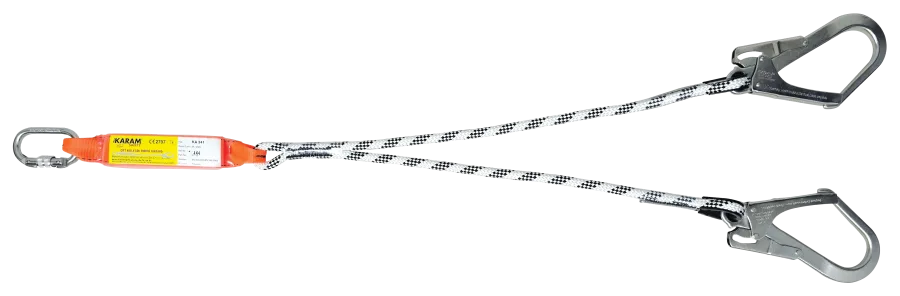
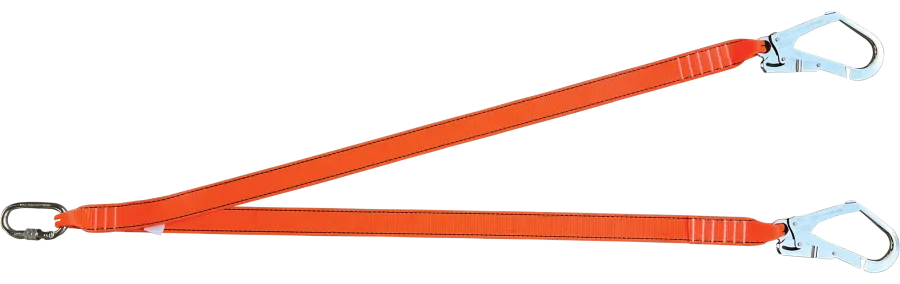
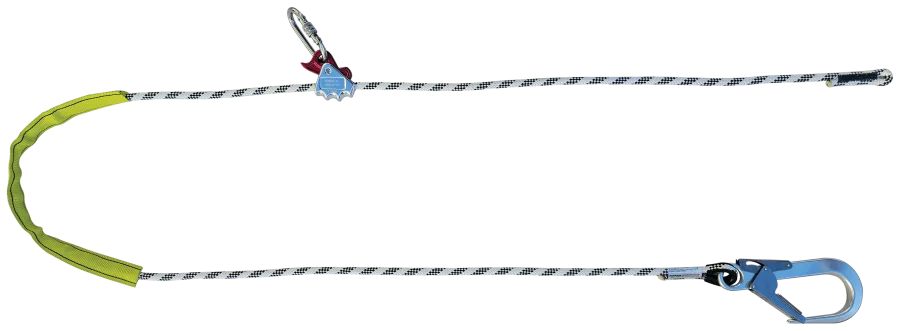
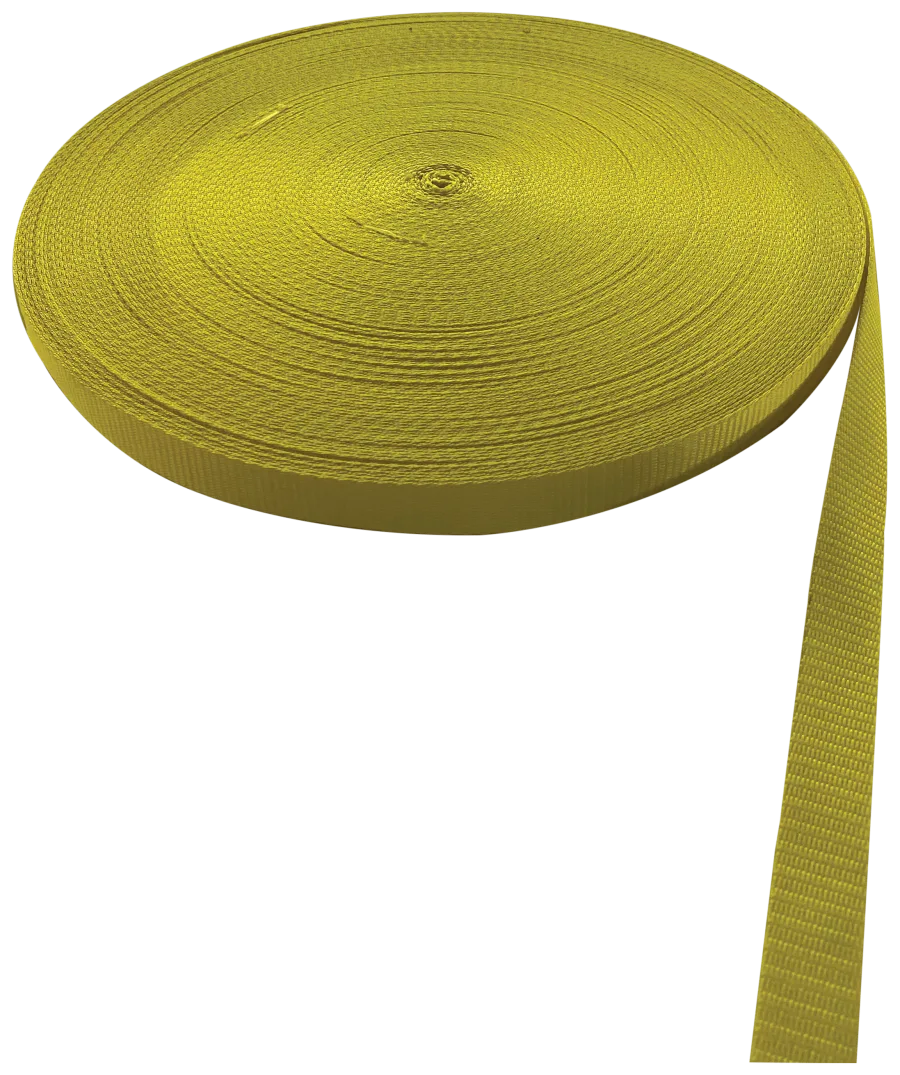
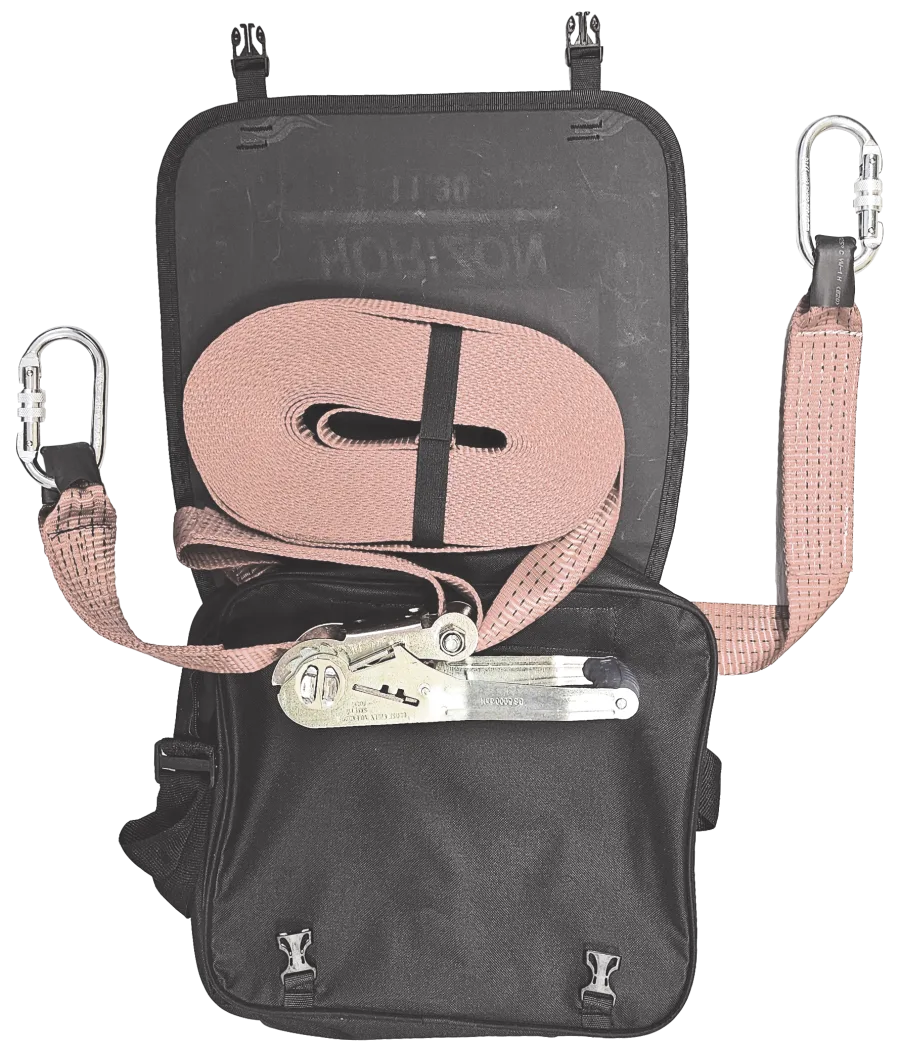
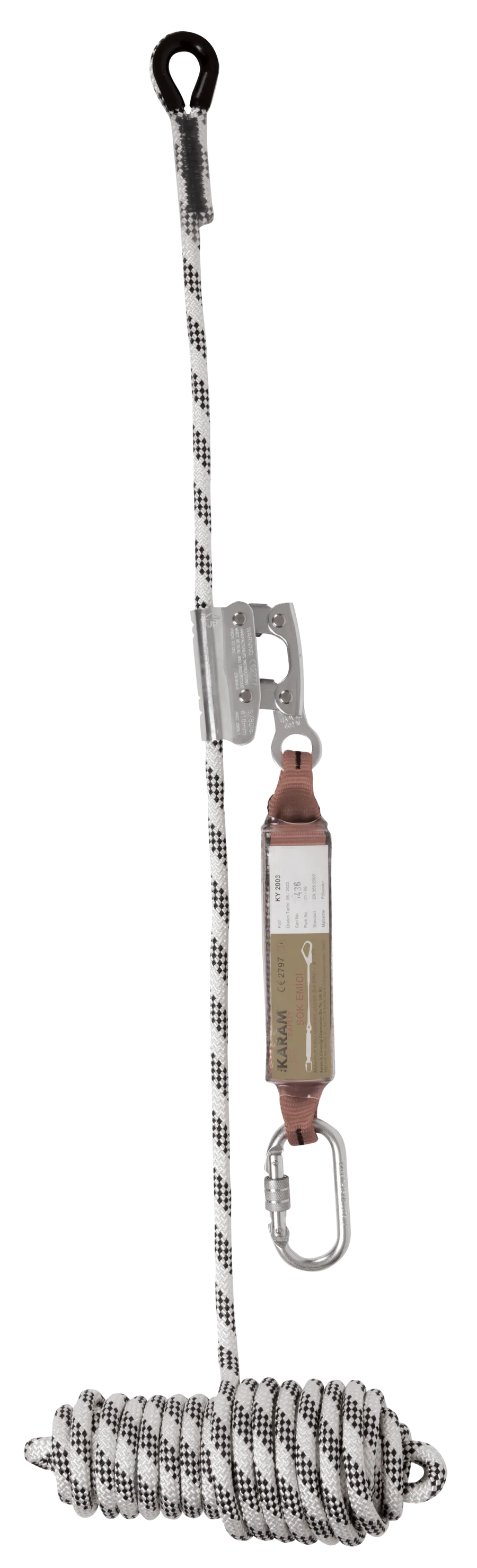
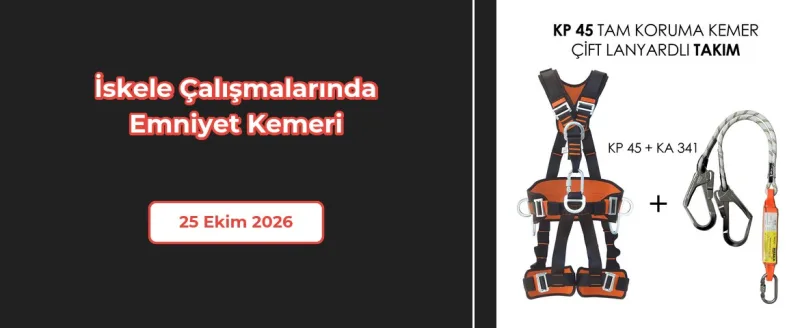
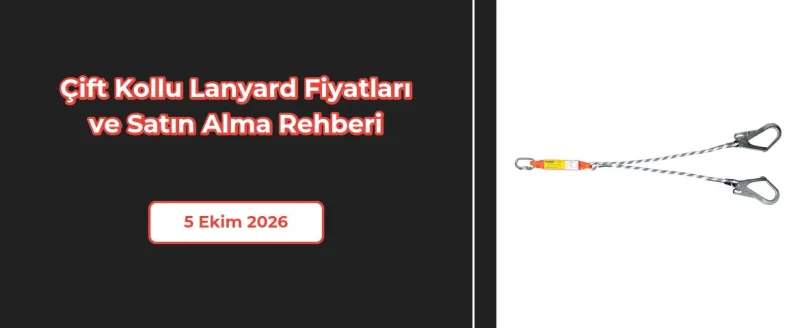
Since harnesses are never used on their own, they are usually sold together with lanyards: lanyard, screw-gate carabiner and harness rope come as a set. In some areas workers must remain 100% connected even while moving; in such cases a twin-leg lanyard or a double harness rope is required. Harness structures and models also vary with the job.
Work at height is carried out in many different sectors, and working as safely and comfortably as possible also matters for productivity. Collective protection measures for all workers come first. If these cannot provide sufficient safety for those working at height, personal protective equipment is used — and the safety harness comes first among them.
Waist-supported full body harnesses entered working life when the 2012 law made them mandatory; waist belts alone were thereby banned. Workers standing on the ground use harnesses connected to the rope via a dorsal D-ring on the back, while those working in suspension use specially designed harnesses with a D-ring at waist level.
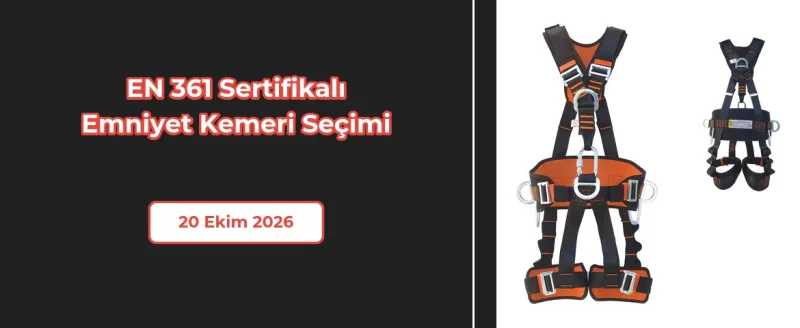
All safety harnesses must be taken out of service after a single fall arrest — except suspension harnesses specially designed for the job. To be used, a harness must comply with EN standards and carry CE certification. Among compliant harnesses, ease of use, ergonomics and extra functions affect the price.
Basic harnesses meet the minimum requirements. Specially designed harnesses go beyond them with wider, lighter materials. The D-rings and their positions, accessories, vest integration and designs that make the harness easier to put on and take off all affect the price. While every one of them saves lives in an accident, good harnesses tire the wearer less and are more comfortable to use. Occupational safety harness prices vary with the intended use.