In This Article
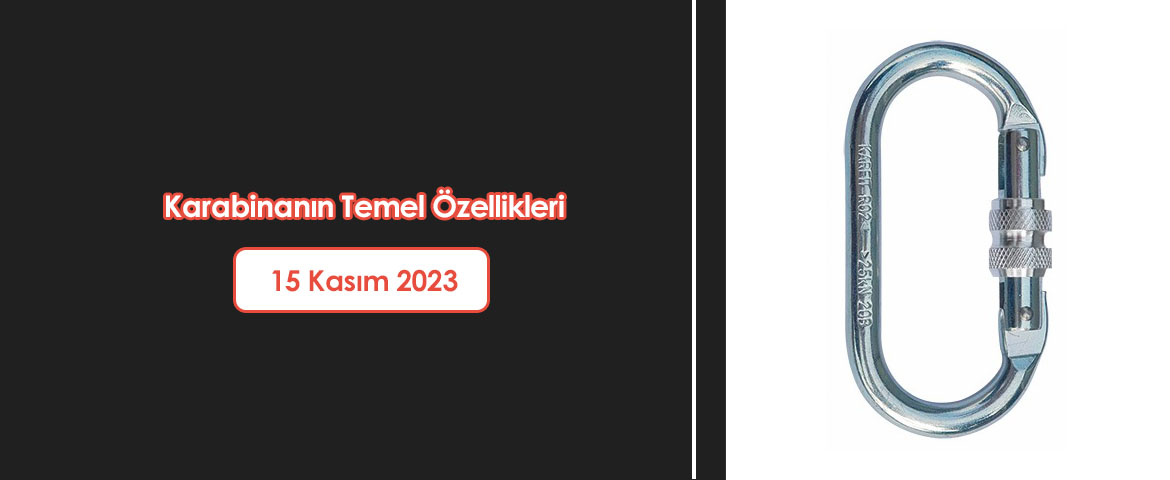
The carabiner is a locking connector used in outdoor activities, and it has key features that affect safety and performance. First of all, the quality of the material from which the carabiner is made is important. Aluminium carabiners are generally light and durable, which is why they are preferred in activities such as mountaineering and climbing. On the other hand, steel carabiners offer higher durability and stand out for their ability to withstand harsh conditions. The choice of material is a critical factor in determining the carabiner's longevity and performance.
The carabiner's locking system is also an important feature. Automatic locking mechanisms prevent the user from forgetting to lock the carabiner, thus increasing safety. Manual locking systems, on the other hand, give the user more control. The right locking system should be chosen depending on the user's activity and preferences. Features such as the carabiner's load capacity, weight, shape and size should also be selected according to the user's needs, which is of fundamental importance for safe and effective use.
Material Quality
The quality of the material from which the carabiner is made is critical in terms of durability and longevity. Light yet sturdy materials such as aluminium or steel are generally used. Aluminium carabiners are generally lighter and are preferred in situations such as mountaineering, while steel carabiners can be used in harsh conditions because they provide higher durability.
Locking System
The carabiner's locking system is an important feature in terms of safety. It can generally have automatic or manual locking mechanisms. Automatic locking offers a system in which the carabiner locks itself and provides a safety measure against the user's forgetfulness. Manual locking is a system in which the user locks the carabiner by hand, which provides more control but requires careful use.
Load Capacity
The carabiner's load capacity determines its ability to bear the load applied to it. A carabiner with a suitable load capacity should be chosen depending on the user's activity and the amount of load it needs to carry. This capacity is generally specified in kilonewtons (kN).
Weight
Light equipment is important, especially in activities such as mountaineering and climbing. The weight of the carabiner can affect users' total load together with the equipment they carry. Choosing a light yet reliable carabiner has a positive effect on the user's performance.
Shape and Size
The shape and size of the carabiner should be chosen according to the purpose of use. While D-shaped carabiners are generally suitable for general use, HMS (pear-shaped) carabiners are mostly preferred for climbing and descending. Size is also important in terms of portability and ease of use.
The key features of the carabiner are factors that affect users' safety and performance. Understanding these features and making the right choice is important for increasing safety and achieving the best performance in outdoor activities.
Let our team recommend the best equipment for your needs and quote you quickly.