
In This Article
Occupational safety equipment helps minimise workplace accidents by providing protection against potential hazards. It must be replaced immediately in the event of any damage, wear or missing parts. Using, fitting and adjusting equipment correctly is critical for occupational safety. Relevant training on occupational safety equipment should be organised, and employees should be given reminders at regular intervals.
Every workplace should assess the potential hazards to which employees may be exposed. Personal protective equipment appropriate to the hazards identified in the risk assessment must be provided. Occupational safety supplies must generally comply with local legal regulations and national standards. Employers are obliged to ensure that their working environments comply with legal regulations. Occupational safety does not depend on equipment alone. Personal protective equipment should also be part of the workplace culture.
Occupational Health and Safety Law
The Occupational Health and Safety Law is legislation established in Türkiye to protect the health and safety of employees in the workplace. The law requires employers and employees to follow certain rules and to take occupational safety measures. Supplies such as first aid kits are of critical importance in this regard. It contains various obligations aimed at preventing workplace accidents, reducing occupational diseases and ensuring a safe environment in workplaces. Thanks to occupational safety standards, it becomes possible to speak of a safe working life.
Personal Protective Equipment Prices
Occupational safety products come in a range of price options. Personal protective equipment includes equipment that helps protect employees physically. This equipment includes headgear, goggles, gloves, ear protectors and many other products. Employers should invest in this equipment in order to ensure the safety of employees and fulfil their legal obligations. Personal protective equipment prices are an important factor to consider when drawing up an occupational safety budget. However, this cost should be regarded as a long-term investment in preventing workplace accidents and health problems.
The Role and Areas of Application of Occupational Safety Equipment in Workplaces
Occupational safety equipment is designed for people performing various tasks in workplaces. For example, the protective clothing products that a construction worker may need are of critical importance. There is also specialised equipment such as eye protection products, fall prevention equipment and systems protecting against falls from height. On the other hand, suitable gloves and protective clothing are important for a worker handling chemicals. Hearing protection products are also of critical importance.
Choosing the right occupational safety equipment plays a critical role in reducing risks in the workplace. Employers should provide suitable equipment depending on employees' tasks and the hazards they are exposed to, and maintain it regularly. Respiratory protection is of critical importance in work areas. Criteria such as head protection are likewise always important. In addition, work gloves stand out as a subject that requires careful attention.
Key Factors to Consider When Choosing Occupational Safety Equipment
Safety is always a priority in workplaces. Choosing suitable occupational safety equipment is critically important to protect the health and safety of employees and business owners. The key factors to consider when choosing occupational safety equipment are as follows;
- Carrying out a risk assessment
- Compliance with standards
- Employee training
- Ergonomics and comfort
- Quality and durability
First, identify the potential hazards in your workplace. Every business may be exposed to different risks, so it is important to assess these risks when choosing occupational safety equipment. Occupational safety equipment must comply with specific standards and regulations. When selecting products, pay attention to national and international safety standards and choose products that comply with them.
Training employees is important so that occupational safety equipment can be used effectively. Training should cover the correct use of the equipment and how to maintain it. Occupational safety equipment can affect employees' comfort and productivity. For this reason, it is important that the selected equipment is ergonomic and comfortable for long-term use. Occupational safety equipment is often used in harsh conditions. Therefore, high-quality products made from durable materials should be preferred.
Technological Advances and Innovations in Occupational Safety Equipment
Smart sensors integrated into occupational safety equipment are used to detect various hazards and alert employees. For example, smart helmets can detect falls and automatically call for help. Technologies integrated into workwear can increase employees' comfort while also reducing various risks. For example, flame-retardant fabrics or waterproof materials can provide a safer working environment in certain industries.
VR and AR, used for training purposes, can teach employees in a hands-on way how to respond in real-world scenarios. This can make occupational safety training more effective and realistic. IoT can enable communication between items of occupational safety equipment and improve data collection processes. This makes it more feasible to detect and prevent potential hazards in advance. Artificial intelligence can make occupational safety equipment smarter and more responsive.
These technological advances in occupational safety equipment can not only increase employee safety but also have a positive effect on productivity. Business owners and managers should therefore take these innovations into account when investing in safety equipment. New-generation technologies are at the forefront of work-at-height equipment. Likewise, safety shoes make it possible to work in a protected environment.
Maintenance and Periodic Inspection of Occupational Safety Equipment
Occupational safety is a priority in every sector, and various measures must be taken to ensure the safety of employees. Occupational safety equipment is one of the cornerstones of these measures. Regular maintenance and periodic inspection of this equipment are vitally important. Regular maintenance of occupational safety equipment is critical for ensuring continuity of use and performance. Maintenance ensures that devices work correctly and guarantee safety in emergencies.
Maintenance procedures may be specific to each type of equipment. In general, however, they include steps such as cleaning, replacing worn parts, testing and calibration. These procedures increase the reliability and durability of the equipment. Periodic inspections involve examining occupational safety equipment in detail at specific intervals. These inspections verify that the device has been working correctly over a certain period and can ensure safety.
Personnel should be trained to carry out proper maintenance of occupational safety equipment. In addition, recording the maintenance and inspections performed is important for possible audits and requirements. Through regular maintenance and periodic inspections in this way, occupational safety equipment ensures the highest level of employee safety.
Occupational Safety Equipment Standards and Certificates: What You Need to Know
Occupational safety equipment must generally comply with international standards. For example, the standards set by ISO (the International Organization for Standardization) determine the overall quality and safety of equipment. Occupational safety equipment used in the European Union must generally bear the CE mark. This mark shows that the product complies with EU standards and has passed the necessary tests.
Each country sets its own national standards for occupational safety equipment. Compliance with these standards determines whether a product can be used in that country. National certificates are also important elements that verify a product's safety. Employers should pay attention to the relevant standards when selecting and using occupational safety equipment. In addition, employees should also be trained to use the equipment correctly.
What You Need to Know Before Buying Occupational Safety Equipment
There are several important factors to consider when buying occupational safety equipment. First of all, it is important to determine your business's specific needs. A comprehensive risk assessment should be carried out to identify what types of hazards are encountered and what occupational safety equipment is required. You should also research the quality of the equipment you are considering buying.
It is important to choose certified products, select reliable brands, and pay attention to the durability of products and to durability standards. Knowing the current legislation on occupational safety equipment is also vitally important. Cost is another important factor. However, you should consider not only the price but also the long-term cost of use.
Low-cost equipment can mean low quality and durability, which means more expense in the long run. Understanding the instructions for use of occupational safety equipment and training employees accordingly is also important for developing an occupational safety culture. Organising training and awareness programmes so that equipment can be used correctly and effectively plays an important role in preventing workplace accidents.
Occupational Safety Equipment and Employee Safety
Occupational safety equipment plays a critical role in ensuring employee safety. The right equipment must be used to take precautions against accidents that may occur in workplaces and to protect employees' health. While this equipment protects workers from various hazards, it also contributes to creating a safe environment in workplaces. Employee safety is one of employers' primary responsibilities. Occupational safety equipment can be divided into various categories such as personal protective equipment, fire safety equipment and emergency equipment.
Occupational Safety Equipment Prices
Occupational safety equipment prices are an important factor in a business's budget. However, it should not be forgotten that a purely price-driven approach can lead to higher costs in the long run. Occupational safety equipment is critically important for employee safety and for reducing risks in the workplace. Occupational safety equipment list prices are determined under the influence of criteria such as these. When evaluating prices, quality and suitability should also be taken into account. Certified products, reliable brands and compliance with industry standards increase the effectiveness and durability of the equipment.
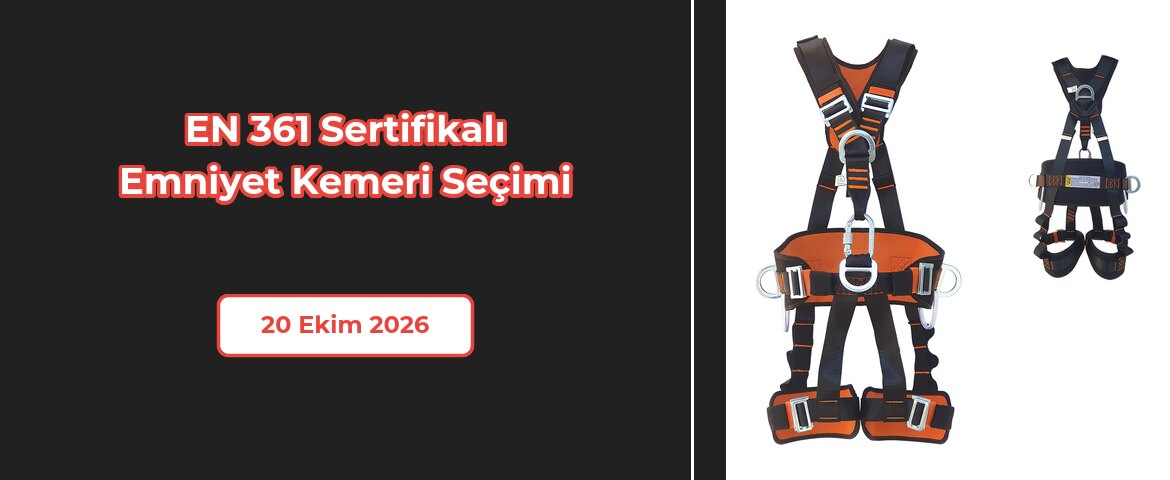
Full Body (Parachute Type) Safety Harness
Full body (parachute type) safety harnesses, a vitally important item of equipment for your safety, are indispensable for professionals working in areas where there is a risk of falling from height. These harnesses are specially designed to provide maximum protection to their users. Combining high durability and robustness, these safety harnesses offer employees comfort and safety together.
Lanyard
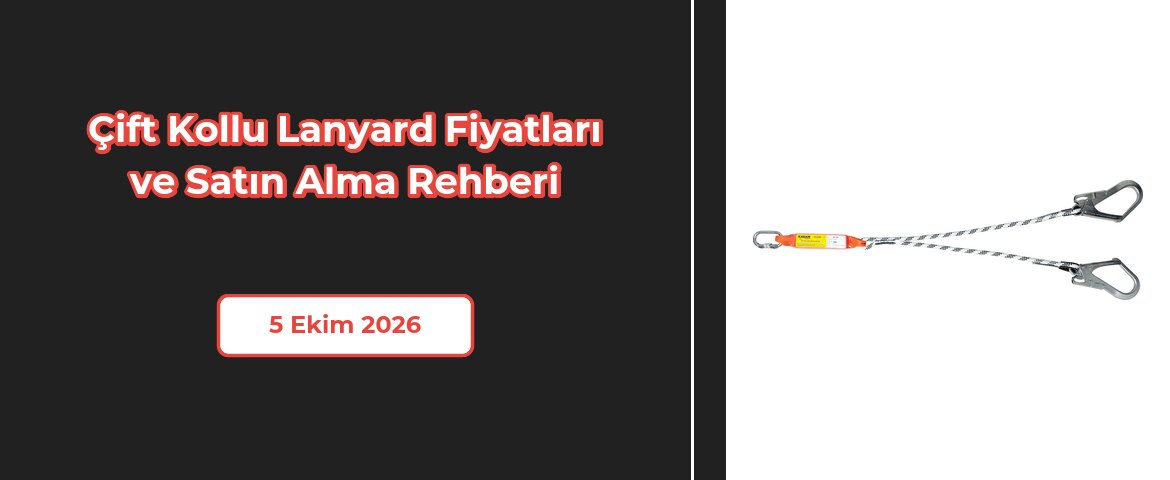
Lanyards are a critical component that connects employees to their safety harness and other safety equipment. Manufactured from high-strength materials, lanyards are designed in accordance with durability and safety standards. This product is an ideal solution for meeting occupational safety standards and minimising employees' risk of falling.
Carabiner
Carabiners are an important tool used to connect equipment such as safety harnesses and lanyards to one another. Manufactured from high-quality alloys, carabiners deliver top-level performance in terms of reliability and durability. With its ease of use and secure connection, the carabiner plays a critical role in increasing the reliability of occupational safety equipment.
Twin-Leg Lanyard
Twin-leg lanyards are designed to provide greater support and safety. With two separate connection points, they create a secure connection between the safety harness and other equipment. This feature helps employees work more safely in areas where there is a risk of falling from height. Twin-leg lanyards are an important tool for meeting occupational safety standards and increasing employee safety.
Occupational Safety Harness
Occupational safety harnesses are specialised safety equipment designed to ensure the safety of professionals working in various industries. These safety harness models aim to offer the highest level of safety by focusing on factors such as user comfort, durability and ease of use. Occupational safety harnesses are manufactured with advanced design and technology to help employees carry out their work safely.
Frequently Asked Questions About Occupational Safety Equipment
What is occupational safety equipment and why is it important?
Occupational safety equipment is gear used to protect employees against potential hazards, and it is important for ensuring safety in workplaces.
In which situations should personal protective equipment be used?
Personal protective equipment should be used to ensure employee safety in hazardous working conditions, for example in construction, chemicals, medicine and other risky fields.
What are the different types of occupational safety equipment?
The different types of occupational safety equipment include protective headgear, goggles, gloves, safety shoes, ear defenders and various other equipment.
How should occupational safety equipment be selected and how is the right model determined?
When selecting occupational safety equipment, the nature of the work and the risk factors should be taken into account; when determining the right model, the physical characteristics of the employees and the requirements of the job should be considered.
How is personal protective equipment maintained?
Regular maintenance of personal protective equipment extends its service life and ensures its effectiveness. For this reason, periodic maintenance should be carried out in accordance with the manufacturer's instructions.
What are the important points to observe when using occupational safety equipment?
Care must be taken to fit and adjust the equipment correctly, to carry out periodic inspections regularly and to follow occupational safety instructions meticulously.
In which sectors is occupational safety equipment most commonly used?
Occupational safety equipment is most commonly used in high-risk sectors such as construction, mining, energy, healthcare, manufacturing and logistics.
What should I look out for when buying occupational safety equipment?
It is important to pay attention to the quality and durability of the equipment, its compliance with international safety standards, a selection suited to employees' needs, and the reliability and references of the manufacturer.
What are the standards and certificates for occupational safety equipment?
Standards and certificates such as EN 361, EN 397, EN 166 and the CE mark determine the conformity of occupational safety equipment.
What do occupational safety equipment prices depend on?
Occupational safety equipment prices vary depending on factors such as the quality of the materials used, technological features, brand value and the level of protection provided.
Occupational safety equipment varies according to different lines of work and risk levels.
Let our team recommend the best equipment for your needs and quote you quickly.