

In This Article
The importance of lifelines in work safety can be explained by the fact that they are a life-saving element during work at height. When the human body falls from height, it can suffer serious harm within a few seconds. A lifeline is one of the most fundamental pieces of equipment used to bring this risky situation under control. When the worker is connected to the lifeline, a fall is prevented at any moment of slipping or imbalance. This simple but powerful mechanism plays a very important role in preventing occupational accidents.
Lifelines are preferred in many fields, from the construction sector to power lines and from roof maintenance to industrial facilities. Each line is manufactured according to specific standards in terms of load capacity and flexibility. These standards prevent breakage under sudden impacts. When workers know they are safe, they move more comfortably and can concentrate more on their work. An environment of confidence is also positively reflected in the quality of the work.
Work Safety and the Risks of Working at Height
Work safety and the risks of working at height are an issue that can lead to more serious consequences than is commonly thought. Falling from height is one of the most frequent occupational accidents and one of those with the most severe consequences. Such incidents not only affect workers' health but also disrupt the continuity of work. Even a small moment of carelessness while working at height can have fatal consequences.
The risks include falls, slipping materials, loss of balance, use of inadequate equipment and environmental factors. Wind, rain or ground conditions increase the risk. In addition, human factors such as worker fatigue or carelessness also magnify the danger. This is where work safety practices come into play and ensure that risks are minimised.
The Basic Purpose of Lifelines
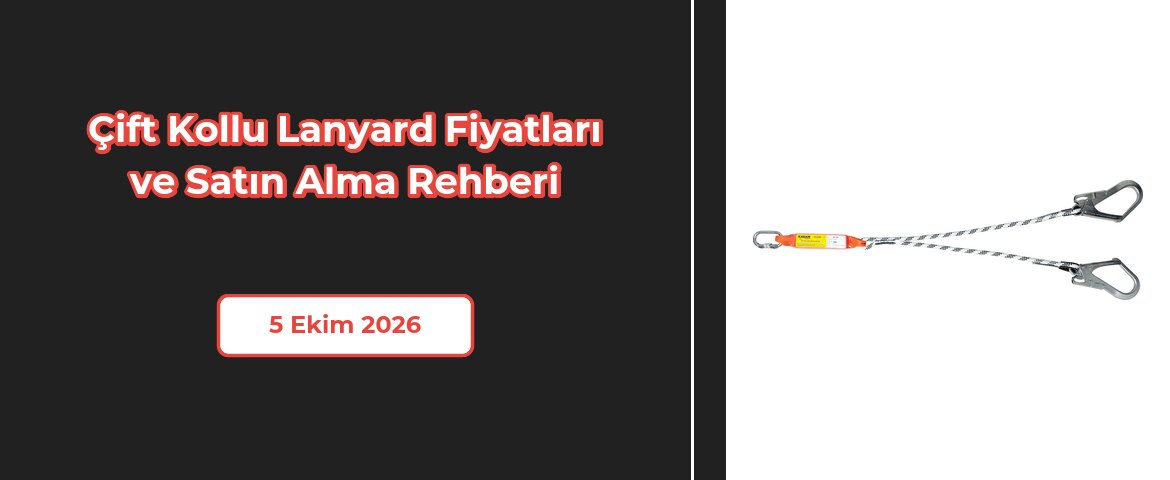
The basic purpose of lifelines is to keep the risk of falling under control for a person working at height. The human body can lose its balance at unexpected moments. At that moment, the lifeline comes into play and prevents the fall or at least minimises the harm. The line connects the worker to a secure point and creates a line of protection.
Lifelines used in working environments are divided into different types. Vertical lifelines provide safety when ascending and descending. Horizontal lifelines make it easier to move across large areas. Their flexible structure allows the worker to move freely while maintaining protection at the same time. This feature increases work efficiency. When workers feel safe, they can concentrate on their work more comfortably.
Horizontal Lifelines
It should be noted that working at height is not limited to vertical areas. Risks also exist on roofs, platforms, scaffolding or large surfaces. Horizontal lifelines have been developed for these types of work areas. The basic purpose of the system is to provide workers with a wide area of horizontal movement while creating secure protection against falls.
Horizontal lifelines are generally made of steel or special alloy wire. They are installed by tensioning them between two solid points. Workers carry out their tasks by attaching their safety harnesses to a mechanism connected to this line. They can move freely along the line, but in the event of a sudden fall the mechanism engages and absorbs the impact.
The most important consideration in these systems is the load capacity of the anchor points. If the anchor elements are not chosen correctly or are installed on a weak substrate, safety is seriously jeopardised. In addition, the deflection allowance must be calculated according to the length of the line. In this way, the shock load at the moment of a fall is balanced.
Horizontal lifelines are preferred especially on construction sites, in maintenance and repair work and on high warehouse racks. Workers can move continuously across large areas, so the work is completed faster and more safely.
Periodic inspection is essential for these systems to have a long service life. Rusting or slackening of the line, or deformation at the connection points, increases the safety risk. Through regular inspections, these problems can be detected in advance and eliminated.
Combined Systems and Special Lifeline Solutions
Some work-at-height areas cannot be made safe with vertical or horizontal arrangements alone. In such cases, combined systems that provide safety in both vertical and horizontal directions come into play. In addition, specially designed lifeline solutions are developed according to the needs of different work sites. These solutions play a life-saving role in environments where standard applications fall short. Here are special lifeline solutions for combined systems:
- Combining vertical and horizontal lines
- Use of mobile anchor points
- Special lines designed with flexible materials
- Temporary and portable solutions
- Structures providing two-way safety
Combining vertical and horizontal lines: When movement in different directions is required in the work area, continuous protection is provided without breaking the safety chain.
Use of mobile anchor points: Allows workers to move flexibly across large areas and reduces dependence on connection points.
Special lines designed with flexible materials: Increase safety on curved or irregular surfaces and allow work to be adapted to them.
Temporary and portable solutions: Provide practical use for short-term work on construction sites and offer the advantage of quick installation.
Structures providing two-way safety: Both prevent falls and limit slipping, creating additional safety in high-risk areas.
Combined systems and special lifeline solutions go beyond the limits of standard systems and maximise safety on complex work sites. With appropriate design, correct installation and regular inspection, a safe working environment is ensured.
Preventing and Protecting Against the Risk of Falling
Working at height is one of the most critical issues in work safety. Uncontrolled falls are among the greatest dangers that threaten human life. Preventive measures are essential to eliminate this risk. The first step is to arrange the work area correctly. Slippery floors, loose materials and a disorderly layout pose a danger. Regular inspection and cleaning increase safety.
Guardrail systems and solid platforms play an important role in work safety. They help workers keep their balance. Adequate lighting also prevents distraction. Markings should be used for risks that are not visible to the eye. In this way, workers can easily notice danger points.
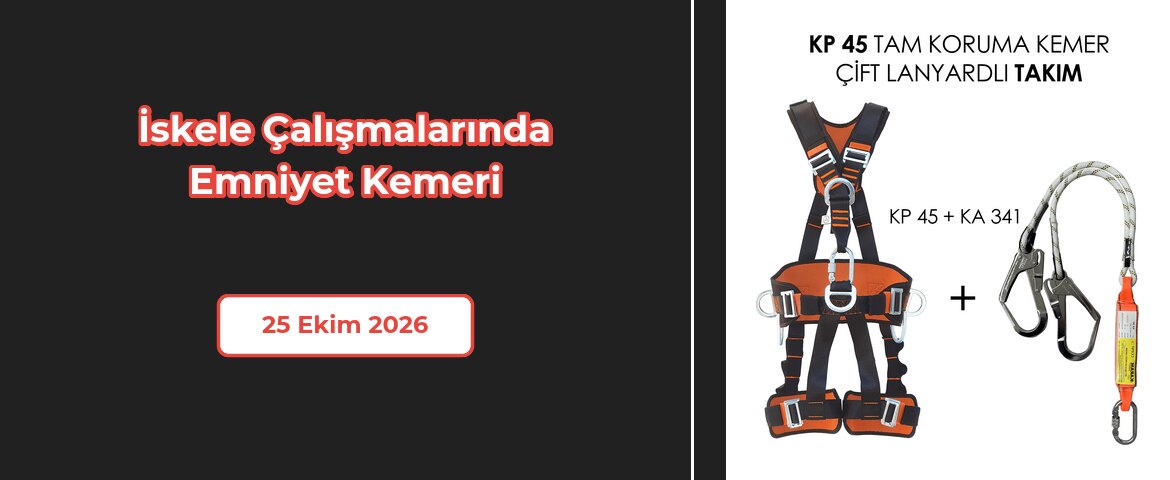
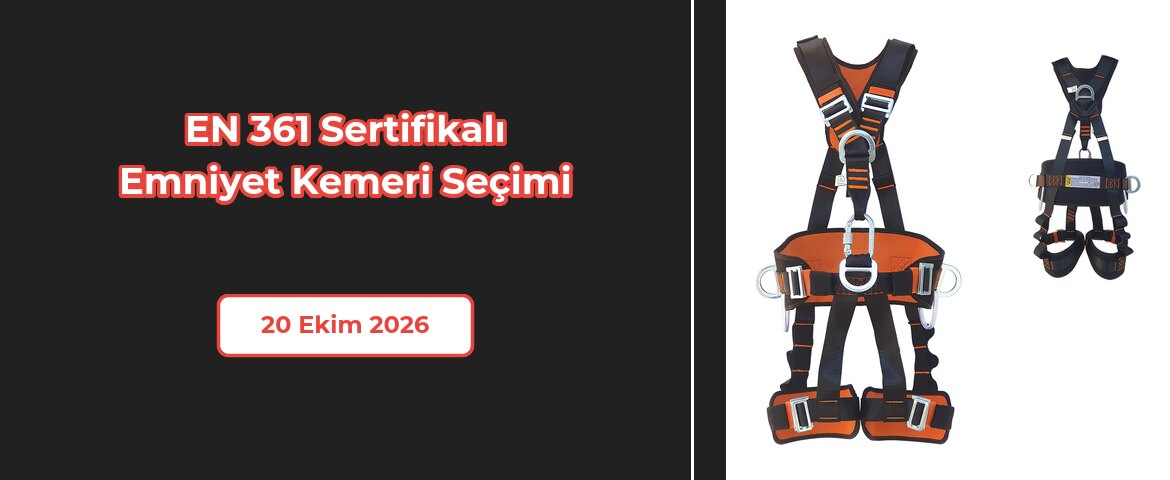
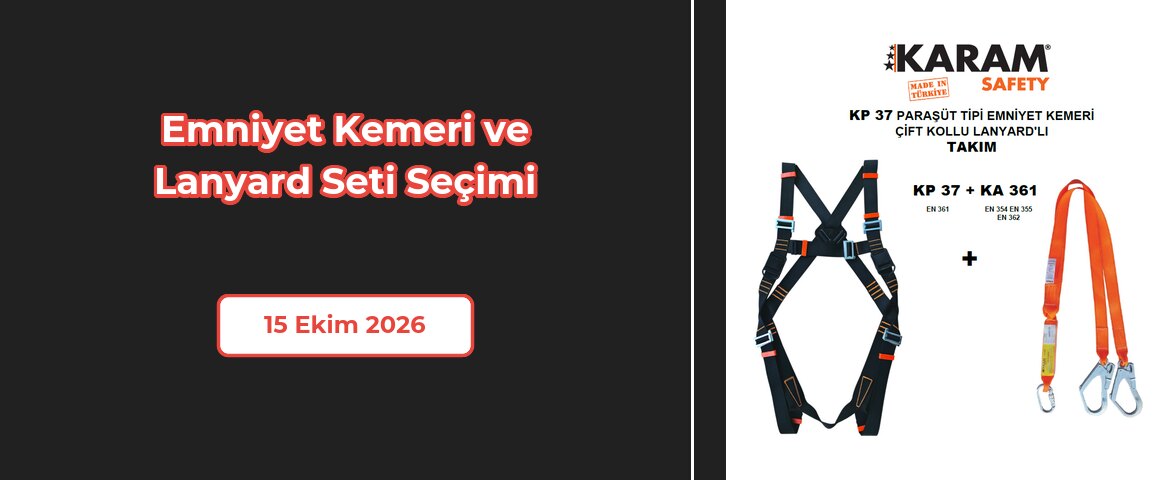
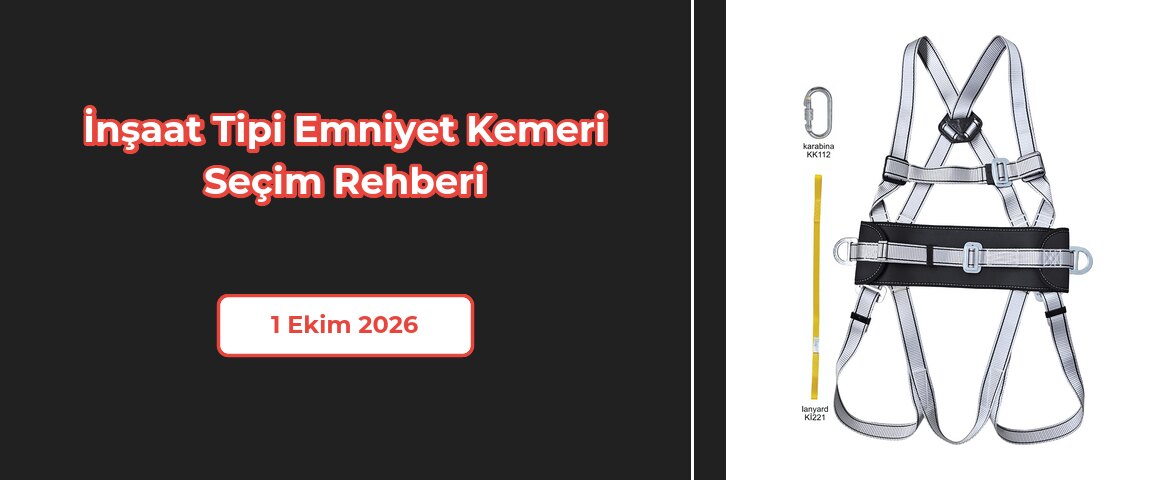
Personal protective equipment also has particular importance. Safety harnesses and lifelines provide vital protection. The correct use and regular inspection of this equipment are essential. Raising workers' awareness and supporting them with training completes the safety chain.
Ease of Rescue in Emergencies
Work safety is not limited to preventing accidents. Fast and effective rescue in emergencies is also a vital issue. Systems prepared for the safety of people working at height must include a rescue plan, because even the most suitable equipment cannot completely eliminate every risk.
In an emergency, the first thing to do is to act calmly and in a planned manner. Workers having received training beforehand is a great advantage at this point. Training supported by drills ensures that conscious steps are taken instead of panic during real incidents.
Lifelines and safety equipment not only provide protection but also facilitate the rescue process. Thanks to quick connection and release mechanisms, the worker can be brought to a safe area in a short time. The robustness of the equipment and its regular inspection play a major role at this stage.
Let our team recommend the best equipment for your needs and quote you quickly.