

In This Article
The phrase "things to consider when using a lifeline" describes the foundation of occupational safety in work-at-height environments. A lifeline is a safety line that protects the worker against possible falls. For this reason, correct use is vitally important. First of all, the strength of the point to which the lifeline is anchored must be tested. Weak or loose connections pose a serious risk.
Before attaching the lifeline, the user must inspect all the equipment. Worn, frayed lines or lines at risk of breaking must never be used. The length and position of the lifeline are also points that require attention. A lifeline left too long creates excessive distance during a fall and reduces safety. If it is too short, it restricts working movements. This balance must be struck correctly. In addition, having the anchor point of the lifeline above the worker's level ensures safer use. Lines attached at the wrong angle can wear due to friction.
Understanding the Purpose and Area of Use of the Lifeline
The lifeline is one of the most fundamental pieces of equipment ensuring safety in work at height. The lifeline plays a critical role in protecting the worker and allowing them to move with confidence. For this reason, it is necessary to correctly understand the purpose and area of use of the lifeline.
The main purpose of the lifeline is to protect the worker against possible fall risks. For people working on construction sites, power lines, roofs or in industrial facilities, the lifeline functions as a safety net. Thanks to the lifeline, workers move more comfortably and carry out their work in a controlled manner even at height.
Its areas of use are quite wide. It is preferred on construction sites, in façade work on high-rise buildings, and in maintenance and repair work. It is also an indispensable safety measure for personnel working on wind turbines or power transmission lines. Those working on tall structures such as tanks or silos in industrial plants also make use of the lifeline.
Understanding the lifeline also means developing occupational safety awareness. The worker realises that the lifeline not only prevents falls but also gives them a sense of security. This confidence allows work to be done more carefully and efficiently.
Choosing the Right Lifeline
Choosing the right lifeline is a vital matter for working safely at height. When making a choice, attention should be paid not only to appearance but also to technical specifications. A wrongly chosen lifeline increases safety risks. The following steps should be taken into account to choose the right lifeline:
- Purpose of use
- Durability level
- Length and diameter
- Material quality
- Compliance with standards
Purpose of use: The area where the lifeline will be used plays a decisive role in the choice. Lines with different properties are required for construction, power lines or industrial facilities.
Durability level: The load capacity and breaking strength of the line must be examined. Lines that are resistant to overloading are safer.
Length and diameter: It is important to choose a line of a length suitable for the working area. Lines that are too long or too short reduce safety. The diameter, in turn, should allow the user to grip it comfortably.
Material quality: The material from which the line is made must be resistant to abrasion, impact and external factors. Durable materials ensure a long service life.
Compliance with standards: The compliance of the line with international safety standards must be checked. Certified products show that safety is guaranteed.
Rules for Installing and Anchoring the Lifeline
Using a lifeline is a task that requires meticulousness in terms of safety. If it is not installed correctly, undesirable risks may arise. For this reason, the first step is to make sure that the area where the line will be used is sound and clean. There should be no sharp edges or abrasive roughness on the surface. The risk of damage is reduced by smoothing the areas the line will rub against.
During installation, the end of the line must be passed through a suitable anchor point. The anchor point must be fixed, sturdy and capable of bearing the load. In situations where the line needs to be secured by tying a knot, safe knotting techniques should be preferred. Simple knots can loosen over time, and this can lead to serious hazards. Especially in lifting operations, using locking connectors or special clamps is a safer method.
Pre-Use Checks and Inspection
Regular checks and inspection are essential for lifelines to be used safely. A brief inspection before use can prevent possible accidents. First, the general appearance of the line should be carefully reviewed. If there are broken fibres, abrasion or burn marks, it is not fit for use.
During the check, it should also be examined whether the line has stiffened. A structure that is harder than normal indicates that the line has lost its properties. Likewise, if thinning or irregular bulging is seen at some points of the line, the risk has increased. In such a case, the line must be replaced.
Inspection is not done only by eye; the line should also be checked by hand. By feeling different points of the line by hand, hidden damage on the surface can be detected. This check is even more important for lines used to carry loads. Lines exposed to moisture or chemicals must be thoroughly dried, cleaned and tested for strength before use.
Precautions to Take Against the Risk of Falling
In jobs that require working at height, the risk of falling is one of the most important hazards. For this reason, the precautions taken are of great importance for both individual safety and workplace safety. Every job carried out at height should begin with planning. First of all, the working area should be inspected, and ground conditions and environmental risks should be assessed.
The presence of guardrails and barriers significantly reduces the likelihood of falling. These protections provide safety if the worker involuntarily loses balance. In addition, covering platforms with non-slip surfaces allows safe movement during work. Equipment such as safety harnesses and lifelines also provide direct protection against falls. This equipment must be anchored to the correct point and adjusted as the worker moves.
Things to Consider When Using a Lifeline
During work at height, the lifeline is one of the most vital pieces of safety equipment. When used correctly, it prevents serious injuries in the event of a fall. However, certain rules must be followed for it to be effective.
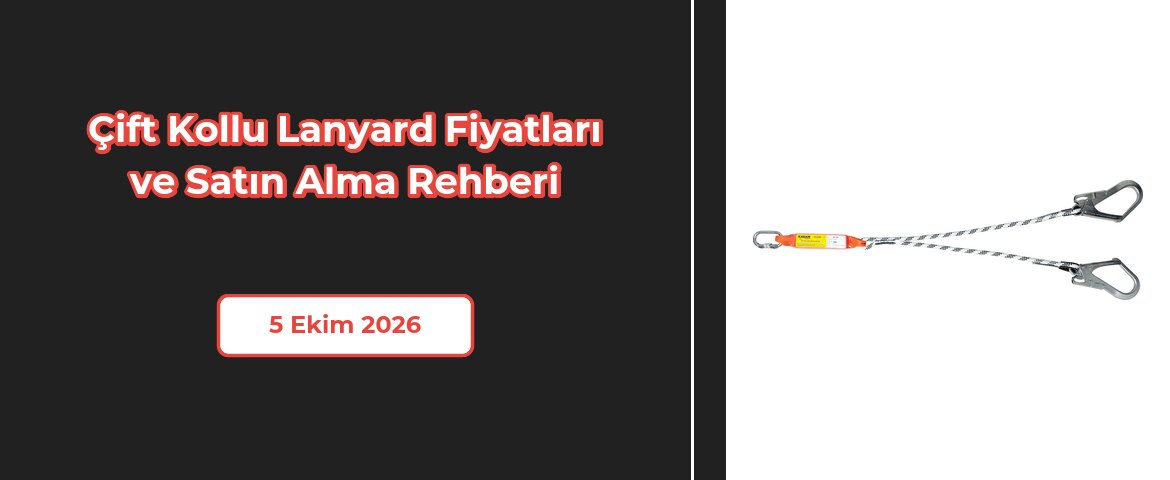
First of all, the point to which the lifeline is anchored must be sturdy and have a high load-bearing capacity. Lines attached to loose, brittle or weak surfaces do not provide safety. The length of the line is also important. If it is left longer than necessary, the risk increases during a fall. For this reason, it should be adjusted to a length suitable for the working area.
The material and durability of the line should be checked regularly. Lines that appear worn, frayed or cut must be replaced immediately. During work, care should be taken to ensure that the line does not come into contact with sharp surfaces. In addition, the soundness of the hooks and connection points should be checked before each use.
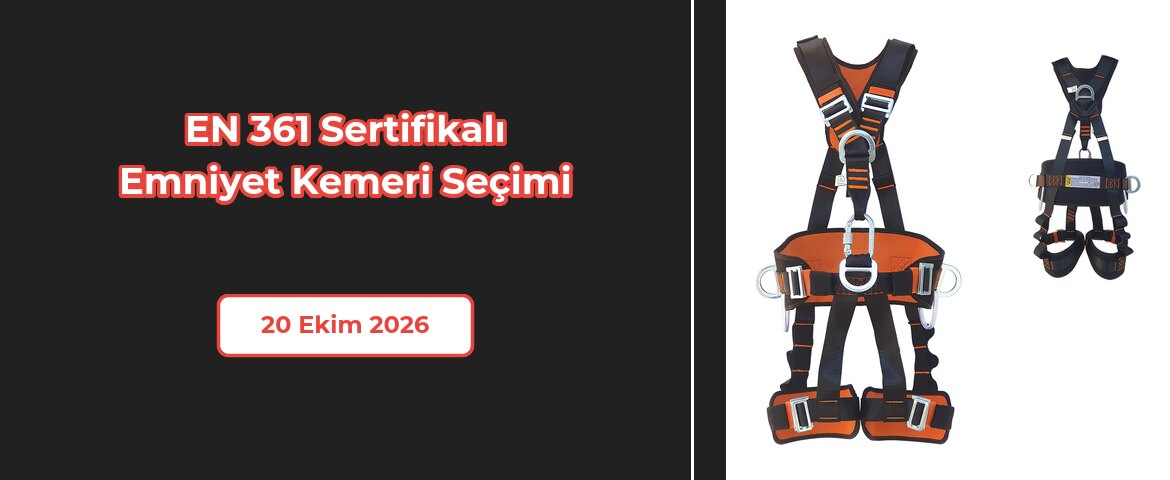
It is essential that workers receive training to be able to use the lifeline correctly. The training teaches how to attach the lifeline, how to detach it and in which situations it needs to be re-anchored. Furthermore, using a safety harness together with the lifeline increases safety.
Let our team recommend the best equipment for your needs and quote you quickly.