
In This Article
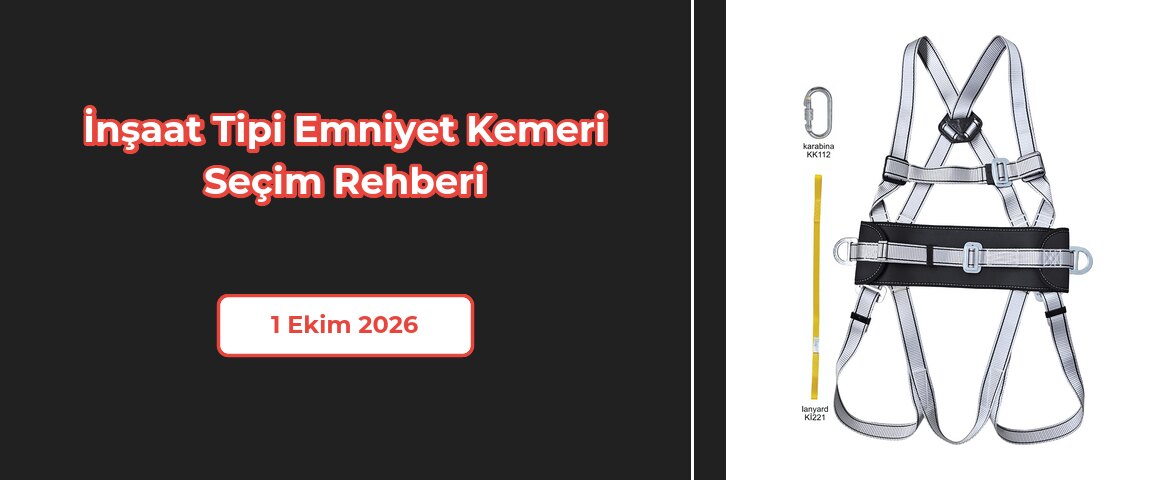
There are safety belts designed for use in every area of our lives. The simplest example is the seat belt we use when travelling, designed to prevent the risk of death and minimise injuries in the event of an accident. Among safety belts, which vary according to their areas of use, is the construction-type safety belt, preferred in the construction sector, extreme sports, mining and other high places. These belts are manufactured based on a system that slows the user down in the event of a fall from height.
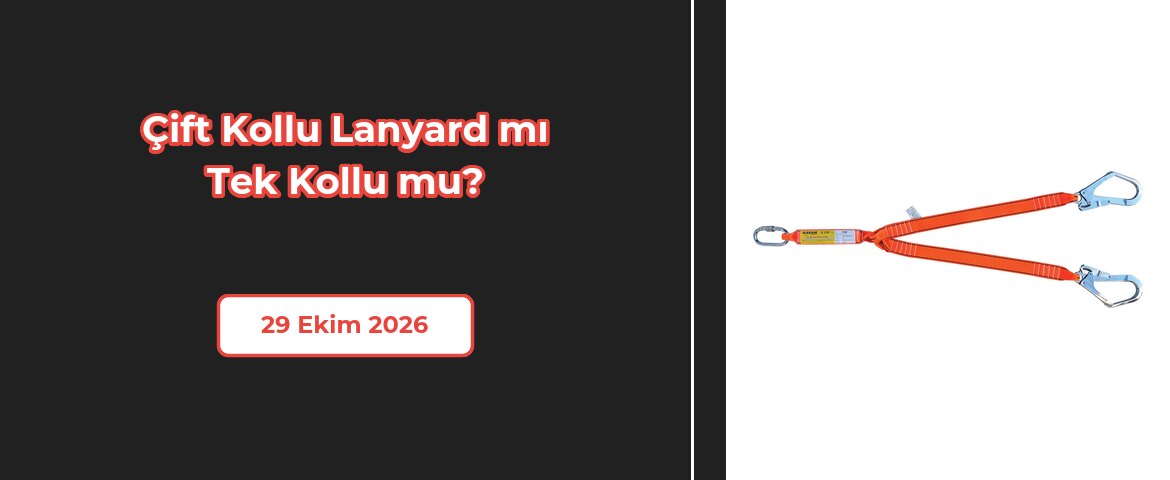
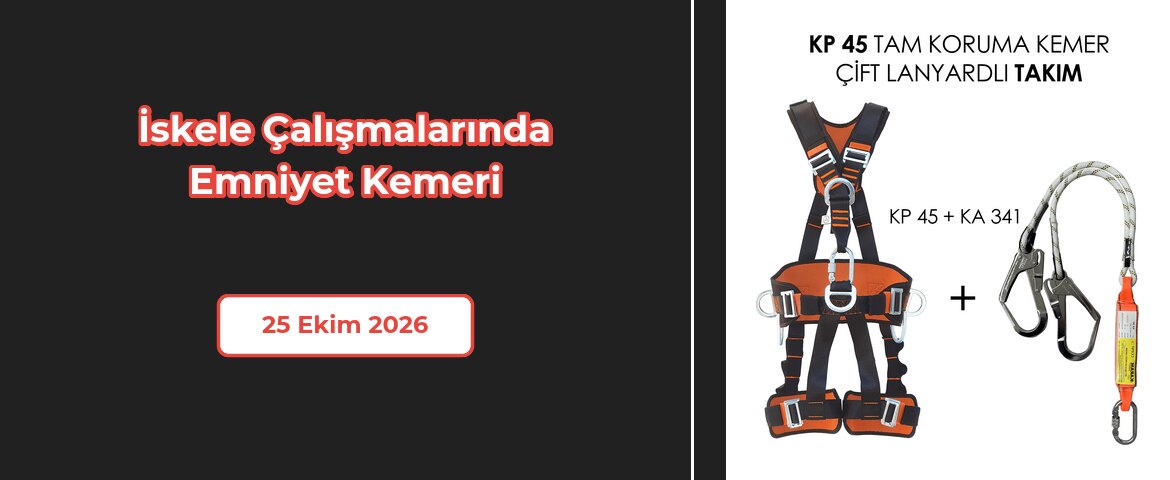
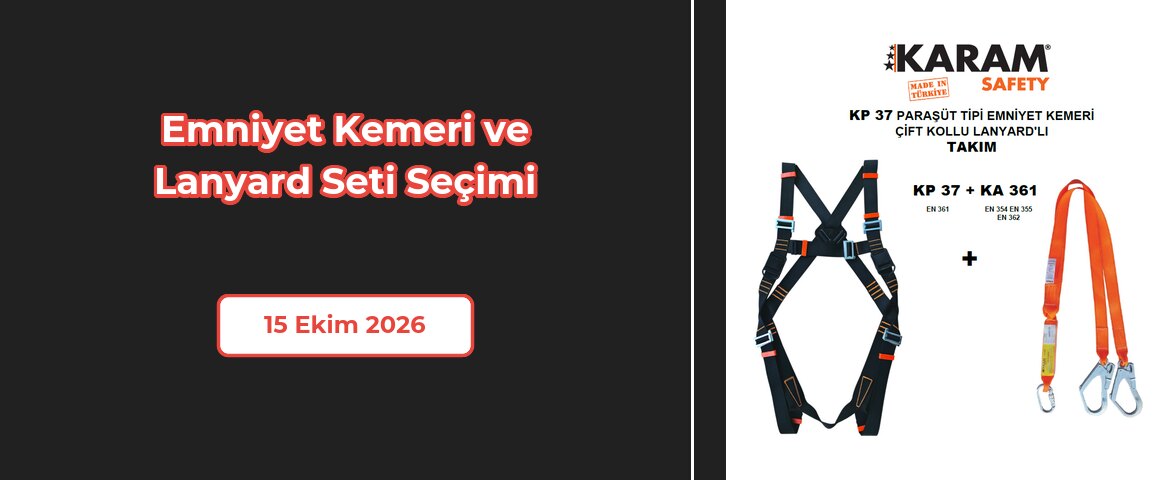
Safety belts that comply with the standards set by the Occupational Health and Safety Regulation should be preferred. They come in two types. Depending on preference, there are belts with waist and shoulder support, as well as belts without support manufactured in accordance with the standards. In addition, the safety belt with what is called a double lanyard is more widely preferred because the system located on its back allows work to be carried out in a more protected and safer way.
What Approach Should Be Followed When Choosing a Construction-Type Safety Belt
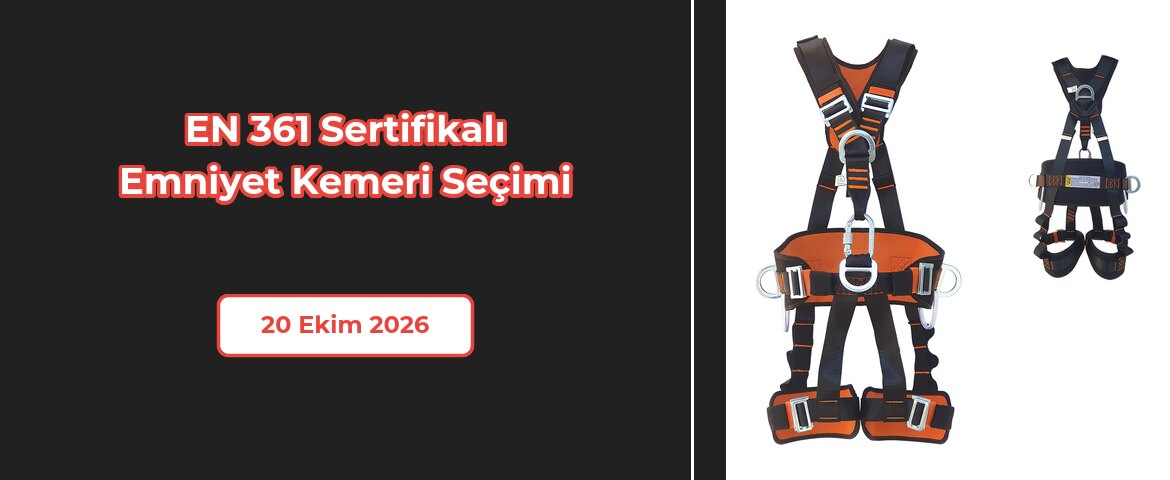
Occupational safety and human life come before everything. For this reason, when choosing equipment to be used for occupational safety, one should check whether it is protective before whether it is economical. Before buying a long-lasting construction-type safety belt, the choice should be made in line with the standards set by the Occupational Health and Safety authority. As a result of the established standards, inspections are carried out periodically at workplaces to check whether safety measures have been taken. In other words, the use of materials that comply with the standards is mandatory.
Points to Consider When Buying a Construction-Type Safety Belt
The construction-type safety belt is manufactured in individual sizes such as S, M, L, XL and XXL. It is therefore specific to the person who will use it. You should choose a belt that fits your body; if it is too loose or too tight, it will not provide full protection. Attention should also be paid to the presence of a D-ring on the back of the safety belt. This ring is important for joining the straps and providing a firm hold.
Another important point is that the manufacturer you buy from sells CE-certified products. At this point, it should not be forgotten that safety belts generally have a shelf life of 5 years. The use of these belts, which are among the foremost safety measures where the user's life is at stake, should not be taken lightly, and the instructions for use booklet supplied with the product should be read in detail.
Let our team recommend the best equipment for your needs and quote you quickly.