

In This Article
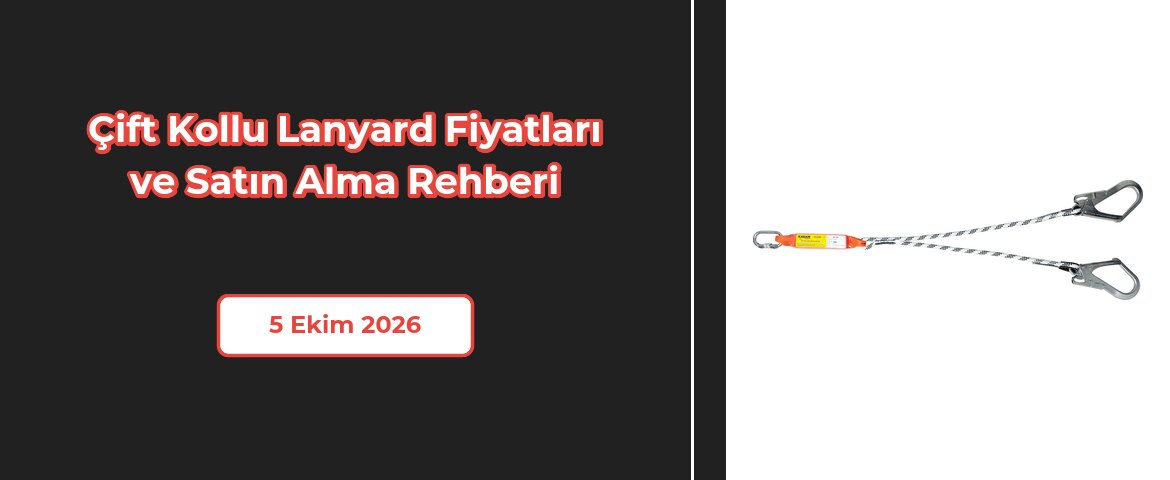
What is a lanyard and in what situations is it used? A lanyard is a durable piece of equipment used in a variety of areas where there are safety requirements. It stands out as a device designed to protect people and objects in places where there is a risk of falling from height. Its main material usually consists of elastic or durable polyester rope. Thanks to this structure, it reduces tension and minimises the impact of potential accidents. So, what is a lanyard and in what situations is it used? Here are the details!
Definition and Basic Features of a Lanyard
What is a lanyard, with its wide range of uses, and in what situations is it used? Designed as safety equipment, a lanyard is a special item of equipment used to eliminate the risk of falling from height. The basic function of a lanyard is to provide safety without restricting mobility. In terms of its structure, it is generally used with a clip or carabiner connection.
It serves a wide user base, from workers on tall buildings to industrial cleaning staff. It is also frequently preferred in sports activities. For example, in risky sports such as mountaineering and climbing, it ensures both personal safety and that equipment is not lost. This device, which is of vital importance in terms of safety, is manufactured in line with standards.
Designed with care in every detail, this equipment comes in a variety of types to suit different conditions. While elastic models reduce the risk of falling by absorbing sudden movements, models with a fixed structure offer more stable support. These features serve as a critical guide as to which type should be preferred under which conditions. Lanyards are used not only in industrial settings but also in everyday life.
Use of the Lanyard for Safety Purposes
The lanyard is of critical importance in measures taken against the risk of falling from height. In areas where industrial work is carried out, it is used as indispensable equipment for ensuring worker safety. This device has a structure specially designed to protect both people and objects. Having a proper connection system allows the lanyard to absorb the effects of a fall.
Models designed for people working at height use an elastic structure. This elasticity allows the worker to move freely while reducing the impact of a fall in the event of an accident. This quality stands out in areas such as building cleaning, power plant maintenance or crane operations. This equipment plays a critical role not only for individual users but also for the security of objects and equipment.
The connecting elements and locking systems of lanyards are specifically designed in accordance with safety standards. This guarantees both durability and user safety in long-term use. Models manufactured from materials that comply with industrial standards are backed by international certifications. This enables the equipment to deliver a trouble-free experience in its areas of use.
The Lanyard and Its Areas of Use at Work Sites
Lanyards come in a variety of types to suit different needs at work sites. This equipment is widely preferred both for personal safety and for securing objects. Found in many sectors, from construction projects to power plants and from industrial cleaning to warehouse operations, this equipment makes employees' lives easier while putting safety first. Here are the areas where lanyards are used;
- Its use is very common in areas where work must be carried out at high points
- Another important area of use for this equipment is industrial warehousing and logistics operations
- It provides a critical layer of safety for people working on high racking systems
- It is also used to secure equipment against the risk of breakage or falling during storage
- Lanyard use is common among people engaged in climbing and extreme sports
- It is also vital equipment for emergency teams and search and rescue teams
It both ensures personal safety and keeps the necessary equipment secured during sport. It is among the indispensable equipment of mountaineers and rock climbers. These features clearly show why its use is so widespread across different fields of activity.
Lanyard Types and Suitable Areas of Use
The lanyard is of critical importance among occupational safety equipment. Its types, which have different designs and features, can be used in various working environments. Elastic lanyards are designed to absorb a sudden fall while allowing freedom of movement. Static lanyards, on the other hand, provide support in a fixed position and are particularly preferred for short-distance work.
Lanyards with energy-absorbing modules arrest a fall with minimal impact. This model is frequently used in high-risk areas such as the construction sector or roof repairs. Self-retracting models, preferred for high-altitude work, offer a wider range of movement and lock automatically when pulled.
Factors to Consider When Choosing a Lanyard
Choosing a suitable lanyard is critically important in terms of occupational safety. Consequently, the answers to the question "What is a lanyard and in what situations is it used?" also vary. Here is what to consider when choosing a lanyard;
- Certificates and standards are always important
- The working environment and risk level must be analysed carefully
- The length and shape of the lanyard determine the user's range of movement
- Energy-absorbing lanyards may be more effective in high-risk work areas
- Models with an elastic structure provide freedom, especially in work that requires movement
- Material selection, durability and suitability for the working environment must be taken into account
Products that comply with international norms provide a higher level of safety. In addition, regular maintenance and inspections must be carried out to check the lanyard's suitability.
Slowing and Preventing Falls with a Lanyard
The lanyard offers an effective solution against the risk of falling from height. Slowing a fall is achieved with the help of energy-absorbing mechanisms. This system absorbs the kinetic energy generated at the moment of a fall and protects the user from injuries that could result from a sudden stop. The elastic structure of the lanyard increases its energy absorption capacity and minimises the impact.
Selecting the right anchorage points ensures that a fall is effectively prevented. It is important that anchor points are sturdy and comply with international standards. Proper connection of the lanyard guarantees that the system works effectively.
Integration of the Lanyard with Other Occupational Safety Equipment
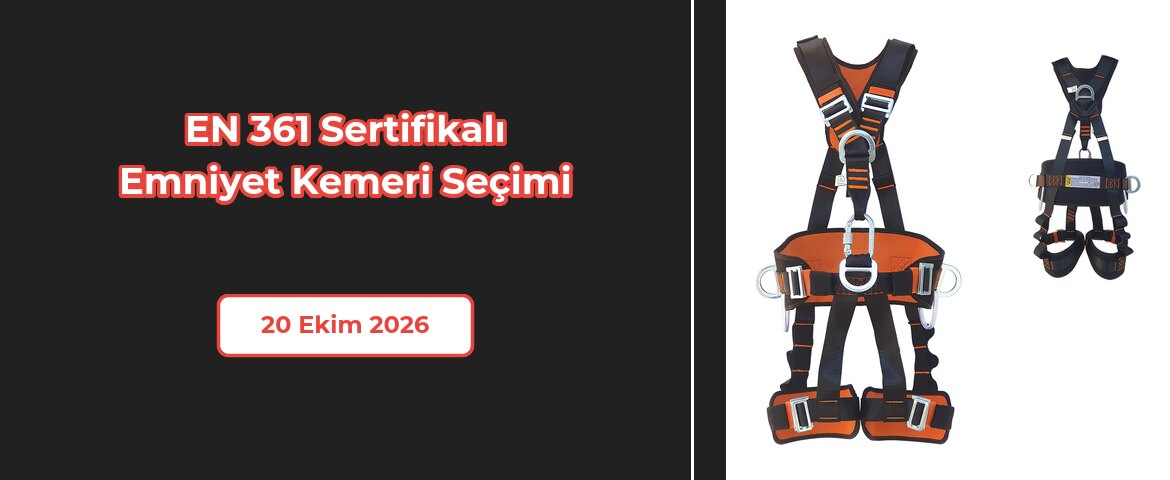
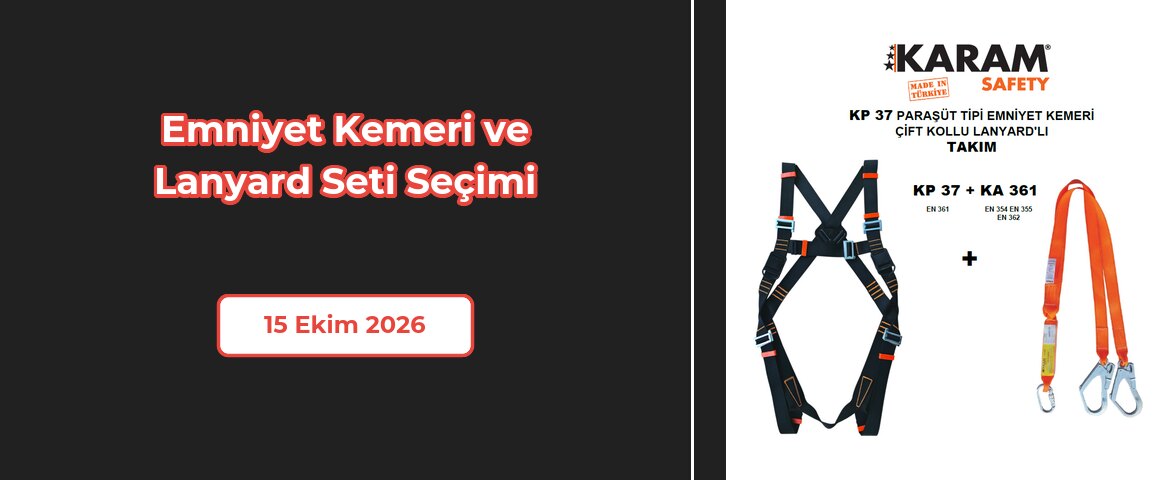
The lanyard provides a higher level of safety when used in combination with other occupational safety equipment. A safety helmet used together with a lanyard can protect the head during a fall. Full body safety harnesses support the lanyard's anchorage point, providing a more balanced holding mechanism.
Combined use with products such as fire-resistant gloves or anti-static coveralls provides comprehensive protection against different hazards. For all these integrations to be implemented successfully, the compatibility of each item of equipment must be checked. In this way, a safer environment can be created for both individual and team work.
Safety Tests and Certificates for Lanyards
Dynamic tests aim to measure the durability of the equipment under sudden loading. In these tests, a specific weight representing a person is used and the lanyard's absorption capacity is evaluated. Static tests focus on tensile strength and resistance measurements. In these tests, the breaking limits of the equipment under a given load are checked. In addition, lanyards tested for resistance to severe weather conditions must be able to maintain their performance in extremely cold or hot environments.
Whether a lanyard complies with international standards is generally determined through certificates. European standards such as EN 354 and EN 355 ensure that the equipment can be used safely. Specifications such as ANSI Z359 and OSHA, meanwhile, set the framework for use in the United States. Having certificates is a guarantee not only of safety but also of product quality. Every lanyard undergoes detailed inspection from its design to its packaging.
Lanyard Maintenance and Tips for Long-Lasting Use
Proper maintenance habits should be developed to preserve safety in lanyard use over the long term. Cleaning is one of the most important factors affecting the performance of the equipment. After use, the lanyard should be cleaned of dirt such as dust, mud or oil. It can be cleaned with lukewarm water and a cloth with mild soap. Drying should be carried out in a well-ventilated environment without exposure to direct sunlight. Lanyards exposed to the sun for long periods may lose elasticity over time. Storage conditions play a critical role in the long life of the equipment.
Common Mistakes in Lanyard Use and Their Solutions
One of the most common mistakes is attaching the equipment to an unsuitable point. If the anchorage point does not have sufficient load-bearing capacity, this can invite accidents. To prevent this, the anchorage point should be chosen carefully and tested in advance.
Another common mistake is the lanyard not being properly attached during use. This causes the equipment to perform inadequately and the expected safety not to be achieved. Every connection point should be checked before use. When an incorrect installation is noticed, the opportunity to correct it should be taken immediately.
Let our team recommend the best equipment for your needs and quote you quickly.