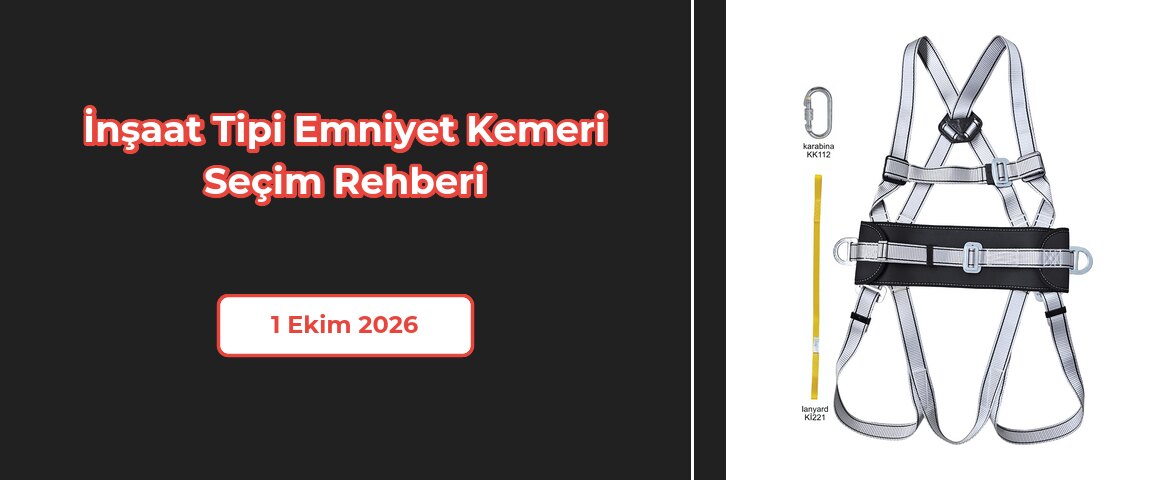


Working at height equipment: in various sectors, such as construction, workers carrying out building maintenance and repair, and cleaners who clean the windows of tall buildings, the work areas are always at height. For this reason, these workers have to protect themselves and take all precautions. So, with which tools will they protect themselves? First of all, a safety harness must be used, and there must also be a lifeline to which the safety harness will be attached and a shock-absorbing device. In addition, materials such as hooks, carabiners and rope grabs need to be used. Fall arresters, rescue tripods and signs must not be forgotten either.
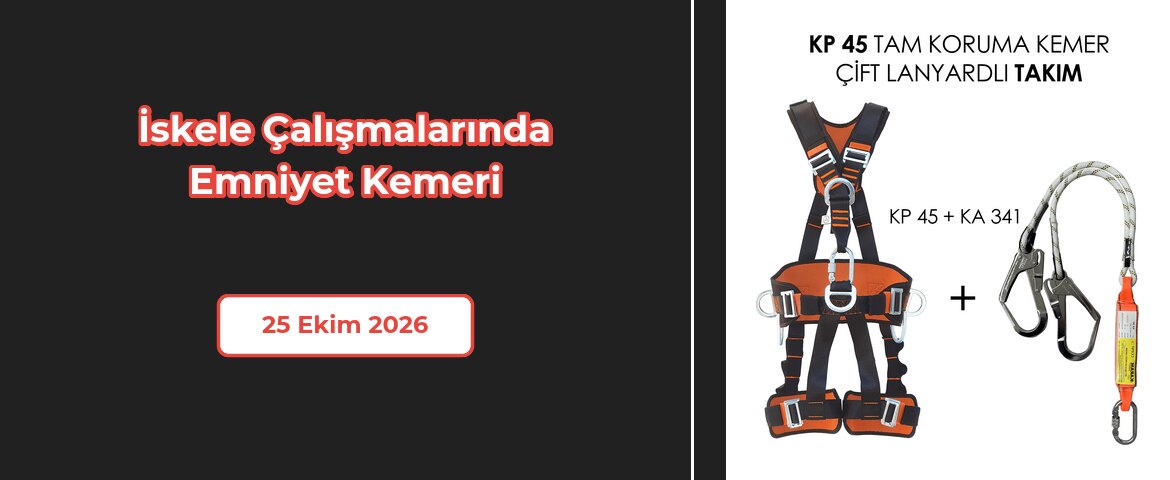
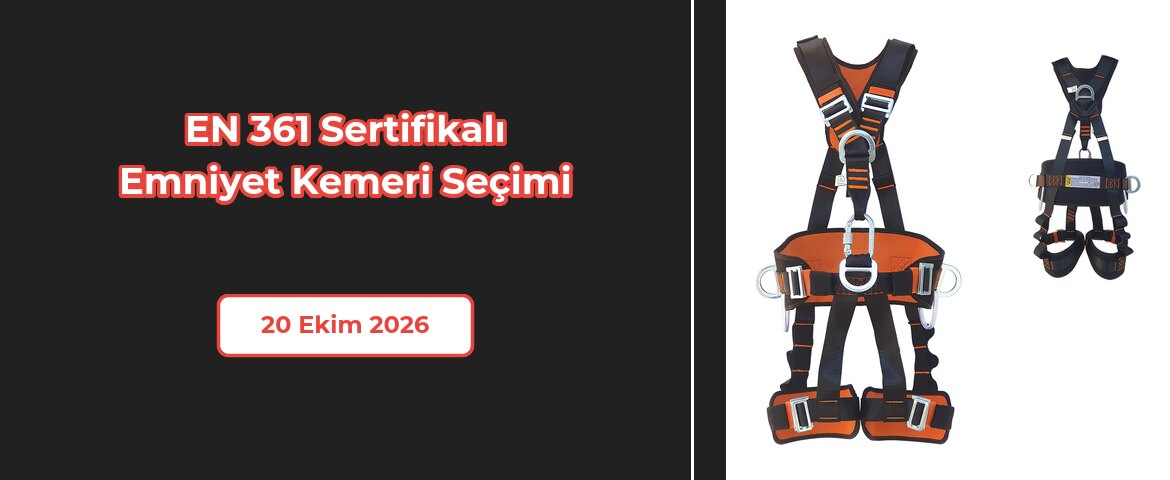
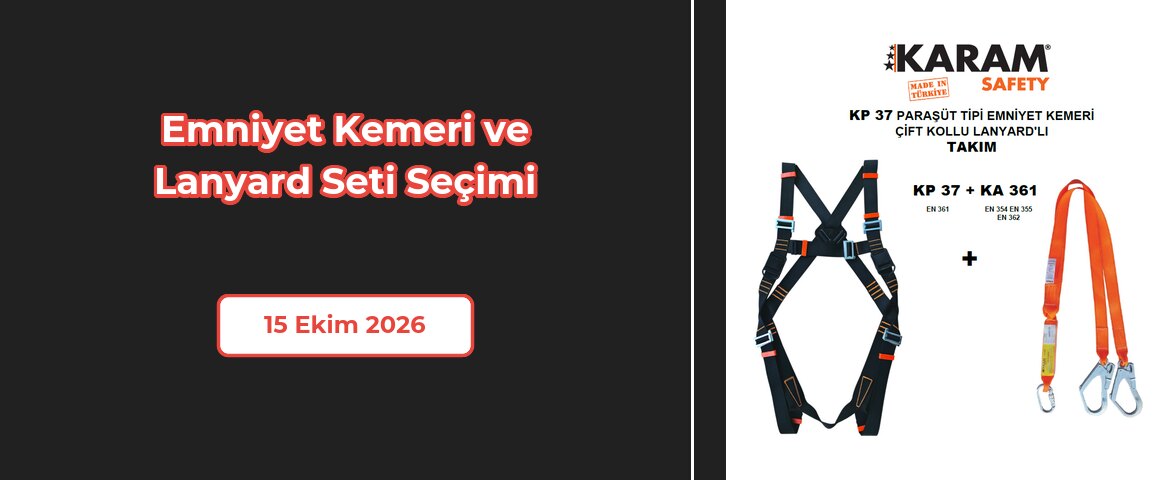
The safety harness provides a limited protective function by wrapping around the worker. Full body (parachute type) safety harnesses are more widely preferred for workers working at height. This is because they can wrap around the whole body and feel more comfortable during work. In terms of safety, they also have a safer and sturdier structure.
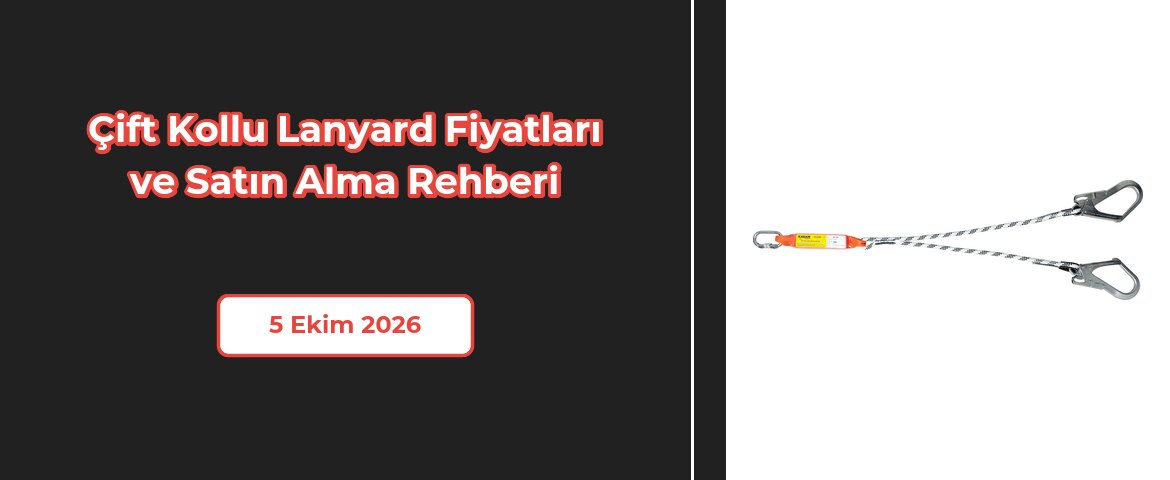
The lifeline is also known as a lanyard. Lanyards are divided into two types: the single-leg lanyard and the twin-leg lanyard. While the single-leg lanyard allows movement in one direction, twin-leg lanyards provide freedom of movement over a wider area. In this way, work will be both safe and comfortable. In other words, twin-leg lanyards are recommended when it comes to lanyards as well.
The shock-absorbing device exists to stop the sudden shock wave that occurs when workers working at height fall in the opposite direction in the event of a fall. The shock-absorbing device, which opens gradually and only up to a certain length, slows the falling person down by absorbing the sudden shock.
There must also be small but essential carabiners, hooks and rope grabs, because the connection points are made with the help of these small tools. The lanyard and the safety harness are connected by means of the hook. The D-ring is located on the safety harness, and the hook and carabiners are attached to this ring. In this way, in the event of a fall, it prevents the person from hitting the ground and protects them.
As for signs, even though many employers do not consider them necessary, they are actually very important. Using signs stating that a safety harness must be worn for occupational safety, that the safety harness must be firmly attached to the lifeline, and warning of caution and fall hazards will encourage workers to take precautions.
Let our team recommend the best equipment for your needs and quote you quickly.