
In This Article
The differences between parachute-type and waist-type safety harnesses relate to ergonomics and intended use. In work carried out at height, occupational safety equipment is of critical importance, and safety harnesses come first among this equipment. There are structural differences between parachute-type and waist-type safety harnesses, and these differences determine their areas of use. Here are the differences between parachute-type and waist-type safety harnesses:
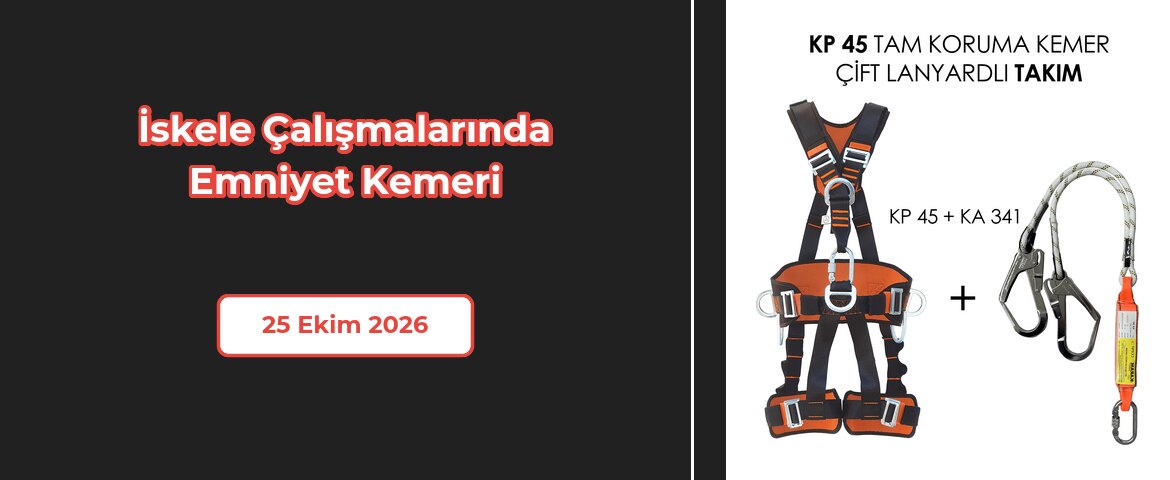
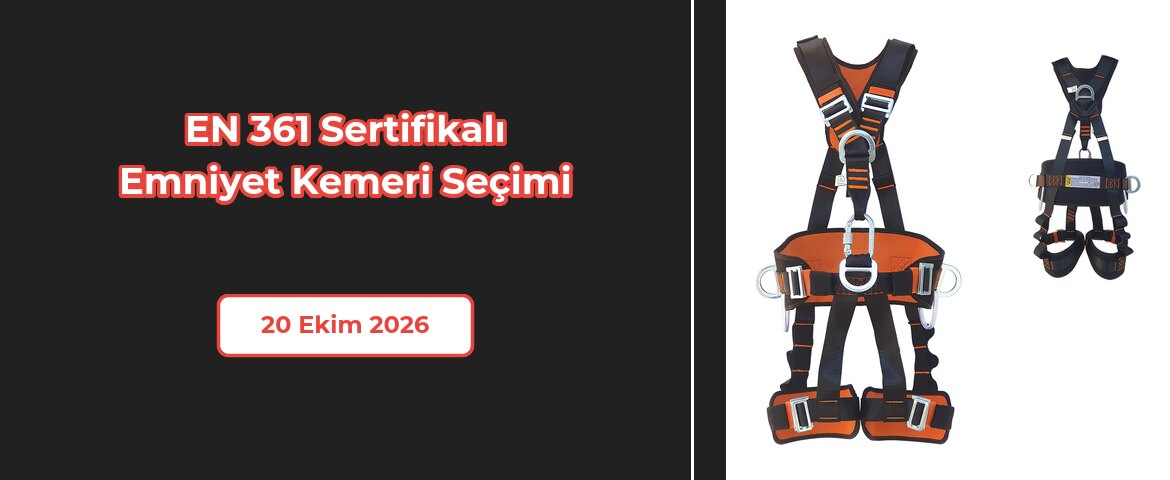
- Parachute-type harnesses also wrap around the upper part of the body.
- Waist-type belts sit only around the waist.
- The parachute type provides more effective protection against falls.
- Waist-type belts are suitable for positioning and restraint.
- Parachute-type harnesses have a dorsal D-ring.
- Waist-type belts have side D-rings.
What Are the Types of Safety Harness?
The most commonly used types of safety harness are parachute-type, waist-type, rope access, restraint and fall arrest system harnesses. Parachute-type harnesses, with a structure that wraps the body from the shoulders to the legs, provide a high level of protection against falls. Waist-type models are more often preferred for work requiring positioning, while their protection against falls is limited. Rope access harnesses are suitable for situations requiring mobile access, such as work on building exteriors.
Differences in Terms of Intended Use
The reasons for choosing safety harnesses vary. Each harness has a different intended use, and choosing the right one for the purpose is vital. Parachute-type harnesses are designed to be used in any area where there is a risk of falling. With the D-ring positioned on the back, they distribute the fall energy across the body and prevent serious injuries. Waist-type belts are generally preferred for positioning purposes.
Level of Safety and Scope of Protection
Not every safety harness offers the same level of protection. The type of harness chosen according to the area of use directly affects the scope of protection. Parachute-type harnesses provide full body protection thanks to details such as shoulder straps, leg straps and the dorsal D-ring. In the event of a fall, they spread the energy across the body, protecting sensitive areas such as the spinal cord, hips and lower back. Waist-type belts, on the other hand, focus only on the waist area and therefore do not offer sufficient protection in shocking events such as falls.
Number and Position of Attachment Points
A poorly designed waist-type belt, or one with insufficient attachment points, cannot provide effective protection in the event of an accident. The number and position of attachment points should be determined according to the working environment the user is in and the risks they may encounter. Harnesses with a single attachment point are generally preferred for providing protection against falls, while multiple attachment points are preferred for emergency rescue, positioning and confined space work.
Assessment in Terms of Ergonomics and Comfort
In long-term use, ergonomics and comfort come to the fore in occupational safety equipment. Inadequate design ergonomics in waist-type belts restricts the user's mobility and can cause pain and even injuries. Factors such as spinal support, shoulder straps designed so as not to put pressure on the body, and adjustability directly affect the functionality of the harness.
Suitability for Areas of Use
As the areas of use of waist-type belts vary, the features that need to be selected also change. The height of the work area, chemicals in the environment, weather conditions or working positions play a critical role in the choice of equipment. For example, for personnel working in confined spaces, the attachment points should be arranged to allow ease of movement. For workers working on tall buildings, features compatible with fall arrest systems take priority.
Ease of Donning and Adjustment
For safety equipment to be used effectively, it must first be put on correctly and fit the user perfectly. Waist-type belts that are not easy to put on and adjust are neglected or used incorrectly by workers, which seriously reduces the level of protection. In modern waist-type belts, quick-release buckles and adjusters designed to suit the body increase the motivation to use them as much as compliance with standards does.
Comparison in Terms of Price and Equipment Cost
In areas involving work at height, choosing the right safety harness is of critical importance not only for the safety of life but also for cost efficiency. The different types of safety harness on the market fall into different price ranges according to their technical specifications and intended use. The right choices in the field of occupational safety provide savings in the long term. Here is a comparison of parachute-type and waist-type safety harnesses in terms of price and equipment cost:
- Waist-type belts are generally more affordable.
- Four-point body harnesses are more expensive, as they offer multi-directional protection.
- Models with an integrated shock absorber reduce the impact effect but increase the cost.
- CE-certified harnesses complying with the EN standard may be more expensive.
- Harnesses made from polyester offer economical options.
- Spare part and accessory costs affect the total expenditure.
- Maintenance costs are high for models that require periodic inspection.
- Some models have dual attachment points, which can increase the cost.
Based on all this information, equipment with the right price-performance balance should be chosen according to the field of application.
Legal Regulations and Compliance with Standards
The EN standards set by the European Union form the basis for the design and functionality of safety equipment. The EN 361 standard defines how full body harnesses are to be used in fall arrest systems. EN 358 sets out technical criteria for work positioning systems that keep a person secured while working. EN 813 relates to sit harnesses and provides comfort especially for those who will work suspended for long periods.
The Occupational Health and Safety Law in force in Turkey makes the use of appropriate safety harnesses mandatory in work involving work at height. In addition, the compliance of harnesses bearing the CE mark with European standards has been certified. The mandatory annual periodic inspection guarantees the safety of the equipment throughout its service life. Products obtained from ISO 9001-certified manufacturers should be preferred in terms of quality and consistency.
Which Type of Harness Is Suitable for Which Job?
The choice of safety harness varies according to the type of work and the physical conditions of the environment. Waist-type belts are designed to provide limited support in low-risk areas. In places where there is a risk of falling from height, full body harnesses must be used. By distributing the load on the body evenly during a fall, these models prevent serious injuries.
Let our team recommend the best equipment for your needs and quote you quickly.