

In This Article
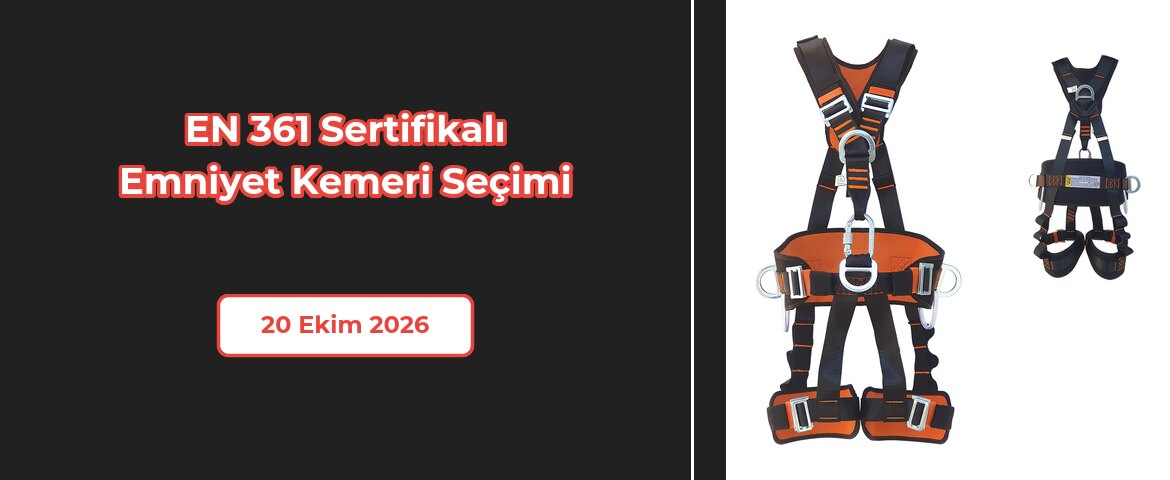
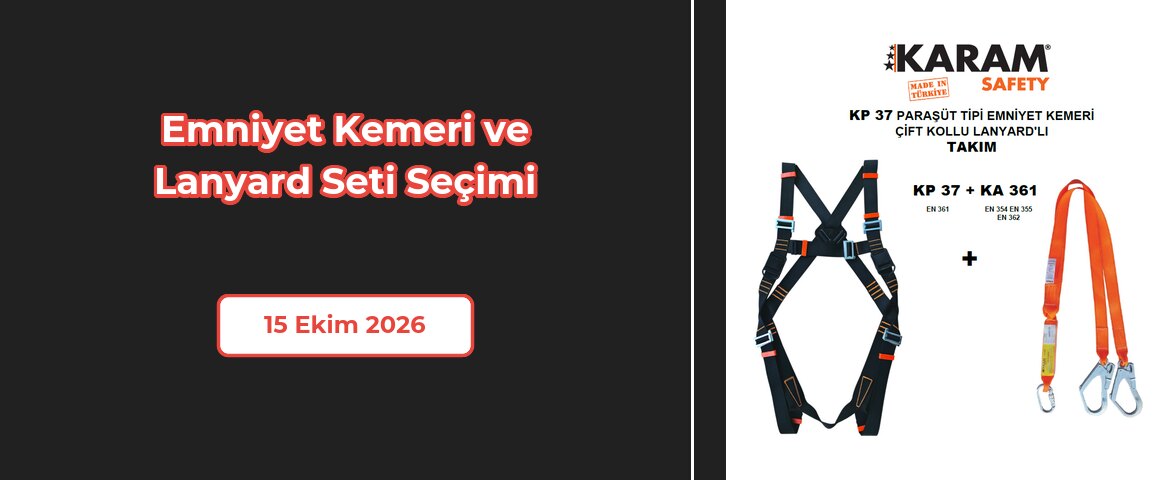
What should you pay attention to when buying a full body (parachute type) safety harness? Safety and comfort should be your priority! In jobs that require working at height, one of the most important safety measures is the parachute type safety harness. When buying a parachute type safety harness, it is necessary to pay attention to the following criteria;
- It must have EN 361 and CE Certificates
- Durable and long-lasting materials should be preferred
- It must suit the body structure
- It must be easily adjustable
Thinking only about price when purchasing a safety harness can lead to both financial losses and serious accidents in the long term. A quality safety harness offers years of safe use when used in accordance with maintenance and storage conditions. A safety harness that fits the body perfectly and is ergonomic and adjustable is a safety element that makes a difference for a person working long hours.
Compliance with Standards: EN 361 and CE Certificates
The EN 361 standard is the European norm that defines full body harnesses for protection against falls from height. A harness meeting this standard has passed independent tests and has been approved in terms of occupational safety. The CE certificate, in turn, indicates that the product has been manufactured in accordance with European Union norms and has passed safety tests. A product meeting EN 361 has a structure that fully grips the shoulder, torso and leg areas and distributes the load evenly across the body in the event of a fall. The CE mark shows that the product's entire production process has passed quality inspections.
Material Quality and Durability
The ability of a parachute type safety harness to provide safety is directly related to the quality of the materials used in its construction. Low-quality fabrics, weak stitching and low-strength buckles deform over time. This type of wear can lead to unexpected breakage under load. High-quality safety harnesses, on the other hand, are made from durable yarns such as polyester or polyamide and are supported by steel or aluminium alloy buckles. The load capacity of the harness must have been determined by load tests. Information on how many kilograms it can withstand is shown on it.
Fit to Body Structure and Adjustability
A safety harness can only work correctly if it fits the person's body structure perfectly. Harnesses that are too loose or too tight both restrict mobility and cause incorrect force to be applied to the body in the event of a fall. In addition to products offered in different sizes, harnesses with adjustable features are also highly functional. Adjustable models also deliver a top-level effect in terms of comfort.
Number and Position of Attachment Points
In safety harnesses, which are among personal protective equipment, the number of attachment points and the position of these points play a critical role in terms of user safety. Attachment points may differ depending on the field of application in which the harness will be used. Harnesses used in fall arrest systems usually have one D-ring attachment point on the back. The number and position of attachment points make it possible for you to get maximum benefit from such products.
Suitability of the Harness for Its Area of Use
For safety harnesses to function effectively, their design must be suitable for the area of use. The type of harness to be selected for personnel working in different fields such as construction, energy, telecoms, firefighting and industry should be determined according to the risk profile of the work being done. For example, while a full body harness with a fall arrest function is required for a technician working on a tower, models with different connection structures should be preferred for work positioning systems.
Weight-Bearing Capacity and User Limit
An average full body harness has a load capacity of between 100 and 140 kilograms. This value covers not only the user's own weight but also the hand tools, clothing and equipment they carry. When the load capacity is exceeded, the structural integrity of the harness may be compromised. Paying attention to these features of the models when choosing a product makes it possible for you to obtain products that fully meet your expectations.
Equipped Models: Waist Support, D-Ring, Suspension Points
Models with waist support help protect spinal health during long periods of work. Thanks to padded and adjustable waist belts, they fit the body better, and slipping or pinching problems are minimised. Metal connection rings called D-Rings allow the harness to receive support from different directions. Suspension points are specially added to ensure the user's comfort when they are left suspended after a fall.
Brand Reliability and Product Warranty
A reliable brand earns users' loyalty through the experience it has gained over many years and its customer-satisfaction-focused approach. Strong brands on the market respond clearly to consumers' expectations by maintaining high quality standards in their products. The product warranty, in turn, is a written guarantee of the trust offered to consumers. Brands offering quality products stand behind their products and do not leave their users aggrieved in the event of possible malfunctions or manufacturing defects.
Instructions for Use and Periodic Inspections
Every product must be used within the framework of certain rules for maximum efficiency and long service life. These rules are usually set out in detail in the instructions for use supplied with the product. Reading the instructions for use carefully not only improves the product's performance; it is also of great importance in terms of user safety.
These manuals prepared by manufacturers clearly set out how the product should be operated, in which environmental conditions it should be stored and what should be taken into consideration. Some product groups require special maintenance. Electrical household appliances, machinery, medical devices and industrial equipment in particular should be inspected and maintained at certain intervals.
Periodic inspections are critically important for preventing possible malfunctions, avoiding loss of performance and ensuring user safety. Complying with the maintenance periods recommended by the manufacturer is also a detail that must be observed so that the product does not fall outside the scope of the warranty. Inspections should be carried out not only in the event of malfunctions but also for products that are working without problems.
Let our team recommend the best equipment for your needs and quote you quickly.