

In This Article
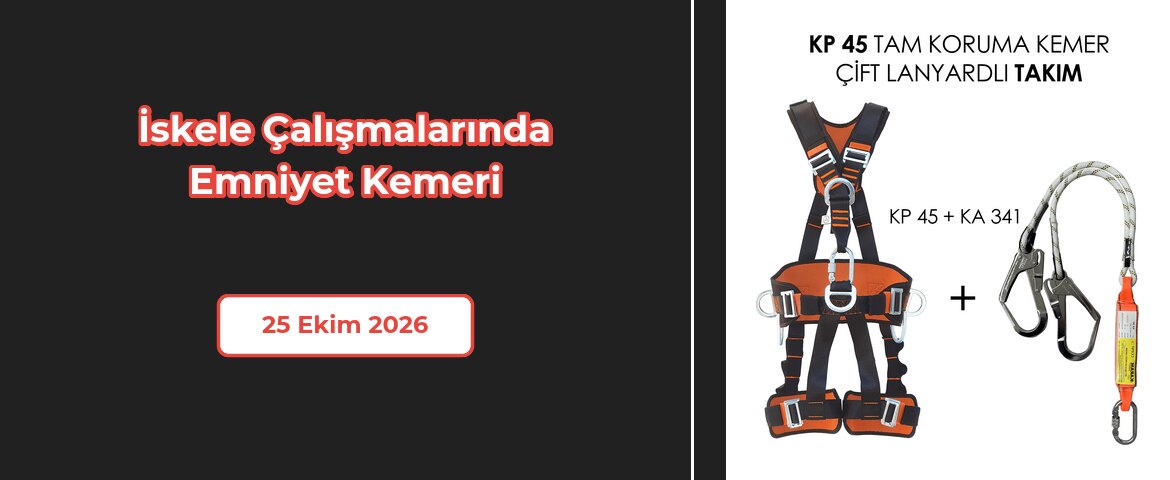
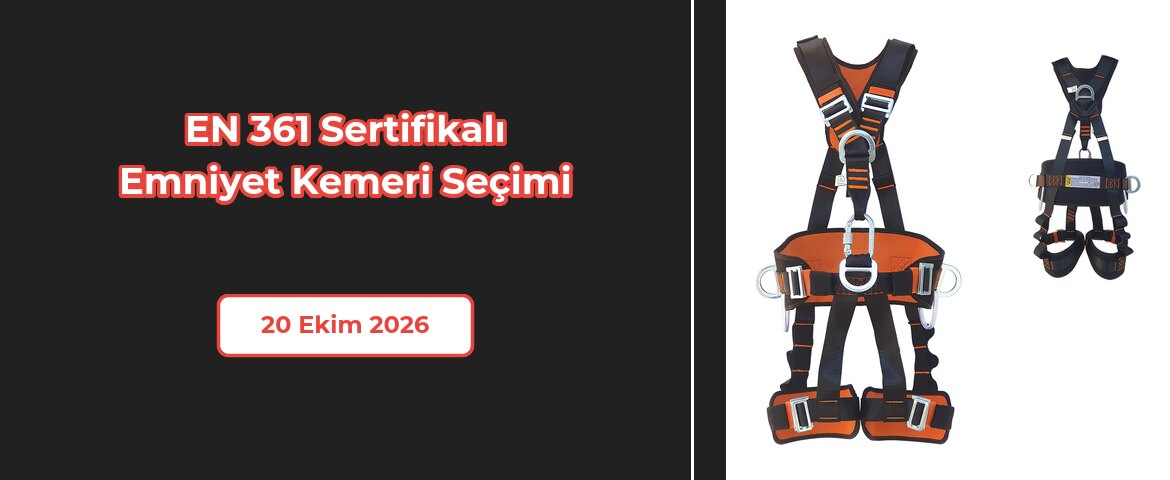
Full body harness standards concern a body support device that distributes fall-protection forces to the shoulders, thighs and pelvic region. According to the EN361 standard for parachute harnesses, the only acceptable body harnesses that can be used in fall-arrest systems are full body harnesses.
Full body harness standards ensure that parachute-style harnesses for fall arrest, fall arrest and work positioning provide comfort, protection, ease of use and flexibility for carrying out work on site. When used in a work positioning system, the harness gives you the freedom to perform delicate tasks with your hands and upper body while maintaining your balance at height.
You should not rely on a parachute harness or work at height without knowing how to use it. Full body harness standards involve international standards, so you should have products that fully meet such standards.
Full Body Harness Standard Labels
Full body harness standards are very diverse today."A" label: The fall-arrest system can only be attached to the harness connection point marked with a capital letter "A". Padded waist and leg loops: cords/access equipment, etc. must be adequately equipped to prevent soiling. The function of a parachute harness may vary depending on the product.
Full body harness standards;
- Between the back and waist for easy height adjustment
- Fits the thigh
- Between the leg loops and the waist
- Parachute-style harness components serve different functions, providing more comfortable and safer use.
Leg Loops: Quick-release double safety buckles that will not open accidentally when loose or taut.
Belt: Equipped with an attachment ring for fitting tools
Other equipment: used to secure the cable bundle. The parachute harness comes with extensive equipment to make use easier.
How Often Is a Parachute Harness Inspected?
While the parachute harness standard recommends that the harness be inspected at least every 12 months, some manufacturers recommend more frequent inspection, especially if the device is used in harsh environments. Inspections must be carried out by authorised personnel. TSE's guidance documents include examples of defects and damage for reference.
Let our team recommend the best equipment for your needs and quote you quickly.