

In This Article
Lanyard technical specifications are at least as important as understanding and applying the purpose of the lanyard. A non-standard lanyard will not provide safety.
Although any activity at height is dangerous, there are specific situations that increase the risk of falling, including:
- Working on a table
- Working on a roof
- Working on a ladder
- Working on a frame or elevated structure
- Handling fragile materials
- Working in tanks, pits or water
- Working on cliffs or steep ground
- Working on a vehicle
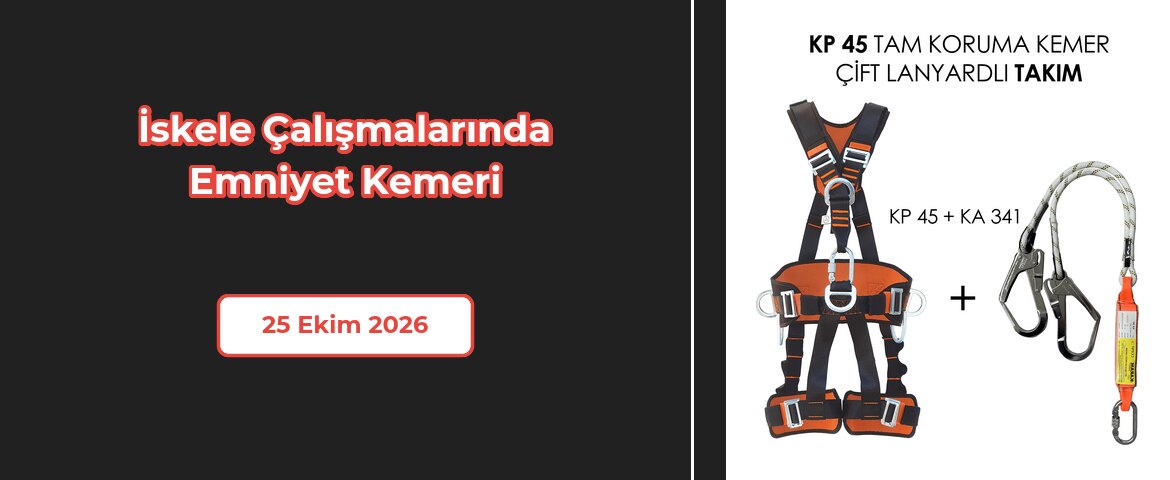
- Working on scaffolding
What Does a Lanyard Do?
Fall hazards come in many forms, which makes fall protection even more challenging. Every situation is different, and employers need to work more closely with their employees to ensure the right solutions are provided. The use of lanyards greatly ensures the safety of employees. In terms of lanyard technical specifications, it is a highly functional product.
Although guardrails are usually the first type of safety that comes to mind within the scope of lanyard technical specifications, employers are often forced to find ways to keep employees safe by tying them off in a fixed position. As people move through the process, it is important that they decide not only what the anchor point is, but also what type of lanyard they will use.
A number of factors come into play when determining this, one of the most important being fall clearance. However, if you do not understand the available options, you cannot choose the right device. Lanyard technical specifications are vitally important for workers.
How Many Types of Lanyard Are There?
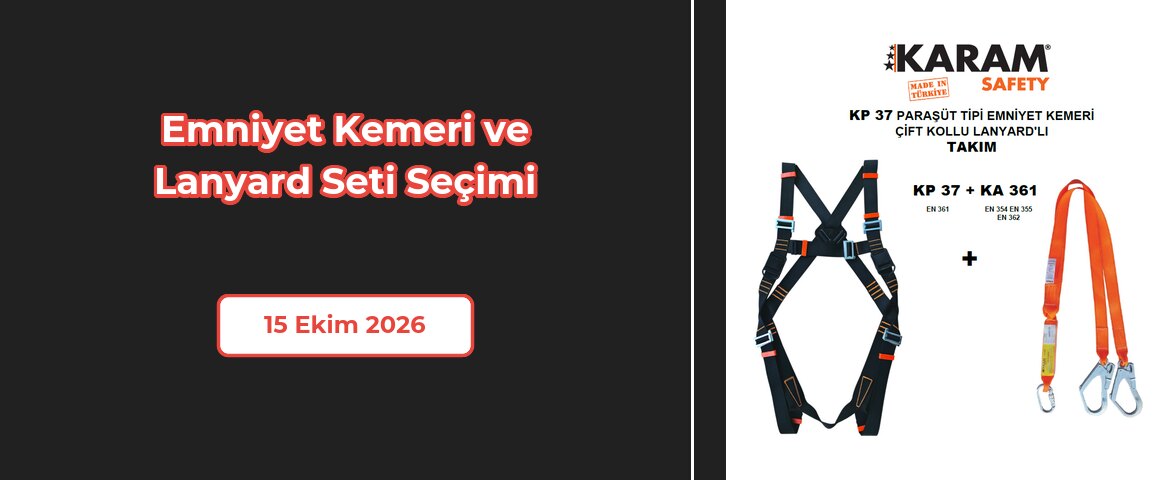
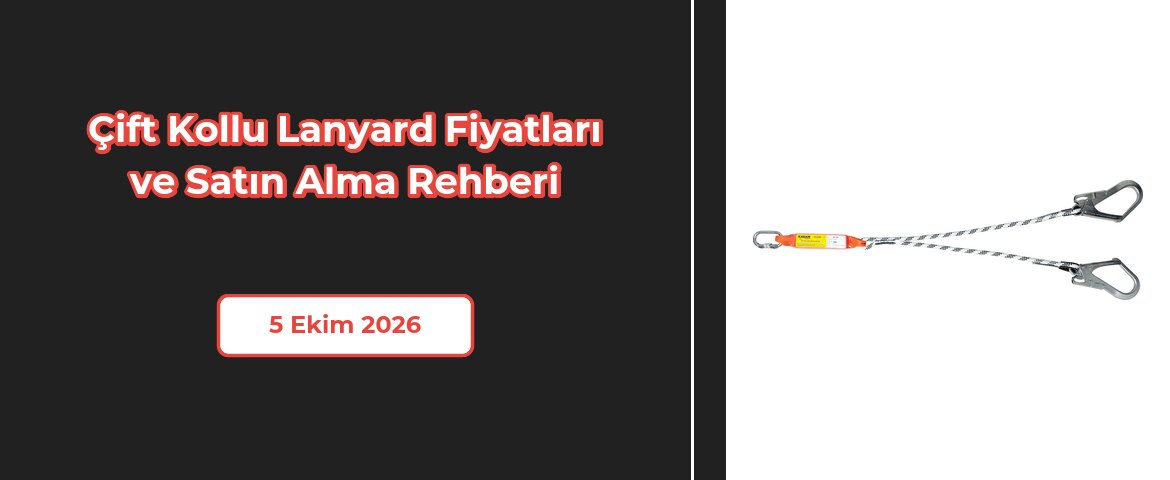
Each category can be further subdivided, but lanyards are basically divided into three types: shock absorber lanyards, self-retracting lanyards and positioning lanyards. In terms of lanyard technical specifications, it is a highly functional product.
The first thing to do when putting on a standard lanyard is to check the webbing. Whether or not you actually fall, you should treat this device as if it will save your life every time you connect it. Check every strap, every buckle and every plastic fitting for signs of wear. Check the label to find out when it was last inspected by an authorised person in your company. Use a standard lanyard only if you believe it is fit for use.
Let our team recommend the best equipment for your needs and quote you quickly.