

In This Article
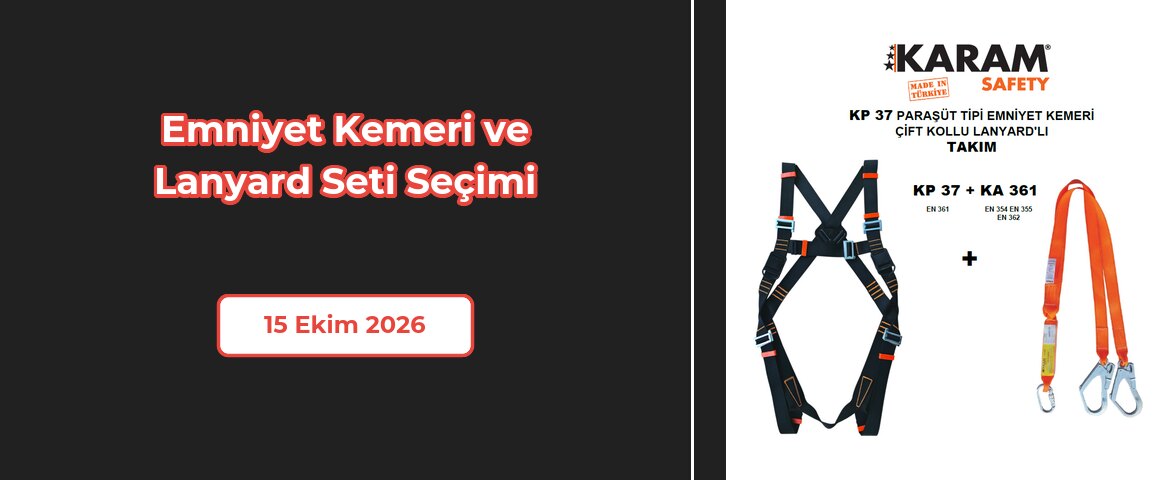
In our country, the recent mandatory application of occupational safety rules in many places has been effective in bringing about a serious decrease in loss of life. Occupational Health and Safety Law No. 6331 was enacted and put into practice during the European harmonisation process. With this law, in addition to collective protection measures, the use of a parachute type safety harness and a parachute type safety harness rope has become mandatory in work carried out at height.
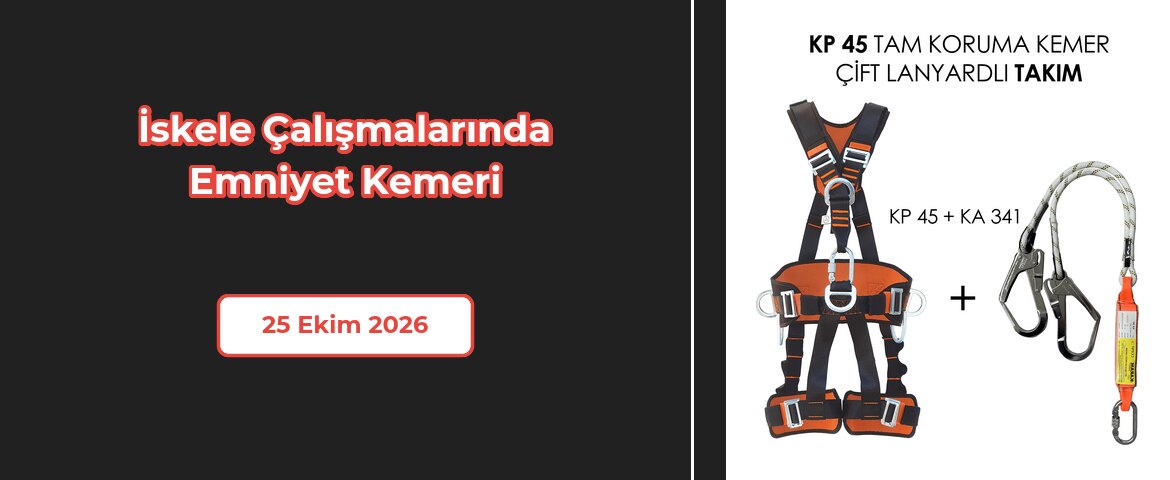
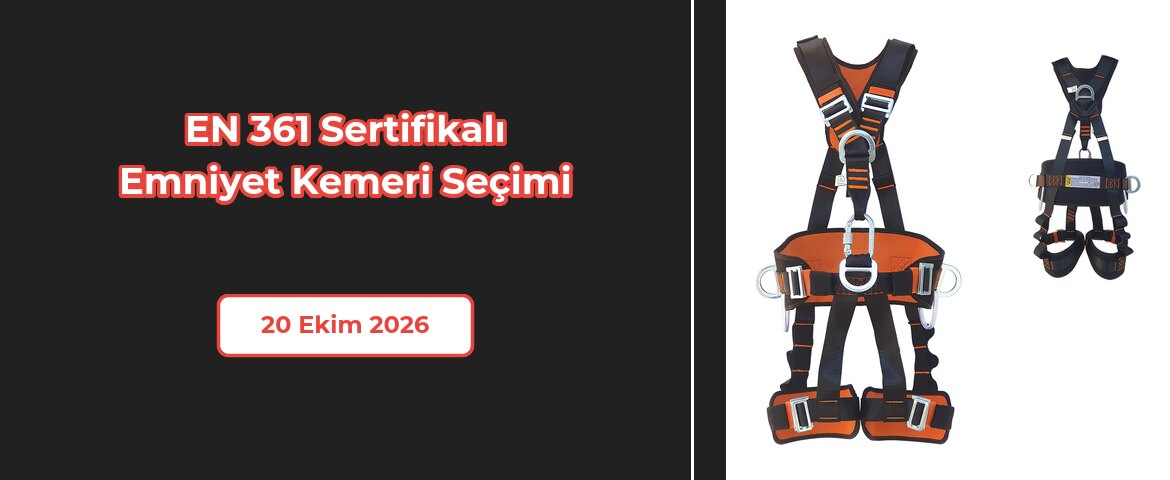
In our country, every day thousands of people lose their lives and many are injured in accidents caused by falls from height. In the past, the waist-type safety belt was invented to prevent these accidents. Because it held only at the waist at the moment of a fall, in many accidents the victims' backs were broken and they were left disabled. Thanks to the Parachute Type Safety Harness straps, designed to grip at the arms, legs and waist, the entire load is distributed evenly.
Choosing a Rope for a Parachute Type Safety Harness
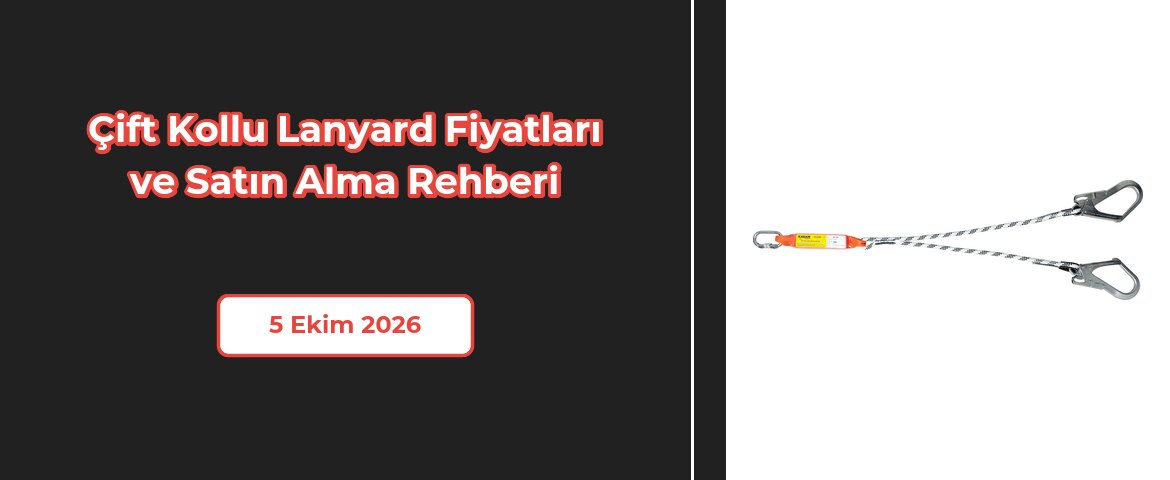
A Parachute Type Safety Harness is mandatory for those working at height. However, even if workers are wearing them, they do not serve as a protective measure unless they are attached to anchor points or lifelines. They are attached to lifelines with a rope that has a screw-lock carabiner at both ends, or a lanyard with a screw-lock carabiner at one end and a snap hook at the other. This connecting rope is called a parachute type safety harness rope.
The harness rope is chosen by taking into account the working height, the anchor height, the lifeline height and the height of the attachment point. Ropes other than those produced in accordance with CE-certified standards are not reliable. Certified ropes are braided polyester ropes or flat ropes made from the harness webbing. Their lengths vary according to the work to be done.
Use of the Parachute Type Safety Harness Rope
It is very important to use a Parachute Type Safety Harness in places where its use is mandatory and in places where the worker feels the need to secure himself even if it is not mandatory. In many accidents that have occurred, a victim who escaped death without so much as a nosebleed loudly tells of the importance of the harness. Ropes suitable for the safety harnesses must be chosen.
Worn ropes must never be used. Safety harnesses and ropes must be taken out of use in cases such as damage or unravelling of the stitching. Knots must never be tied during use. Instead of shortening by knotting and wrapping, short ropes must be used. Ropes that have been exposed to wood shavings, sand, oil and chemicals must not be used. Generally, safety harnesses and the parachute type safety harness rope cannot provide the desired protection when they are not used correctly.
Let our team recommend the best equipment for your needs and quote you quickly.