

In This Article
In terms of occupational safety, it is very important that safety harnesses are used, especially by workers working at height. Safety harnesses vary according to the description and requirements of the work being done. The use of a safety harness during work must comply with the criteria specified by law. Detailed information about occupational safety harness types and harnesses is provided in this article.
At What Height Must a Safety Harness Be Worn?
The answer to the question at what height must a safety harness be worn varies from country to country. The ILO (International Labour Organization) has set this height at 1.3 metres. Although our country appears to have signed the ILO conventions, the height adopted by law is in fact 3 metres. It is a legal requirement for the employer to provide a safety harness to people working in areas higher than 3 metres, and for workers to use the harness properly. However, this height applies in fields such as construction. Depending on the variety of work being done, safety harnesses are allocated to workers on the basis of a height of 1.3 metres.
How Many Types of Safety Harness Are There?
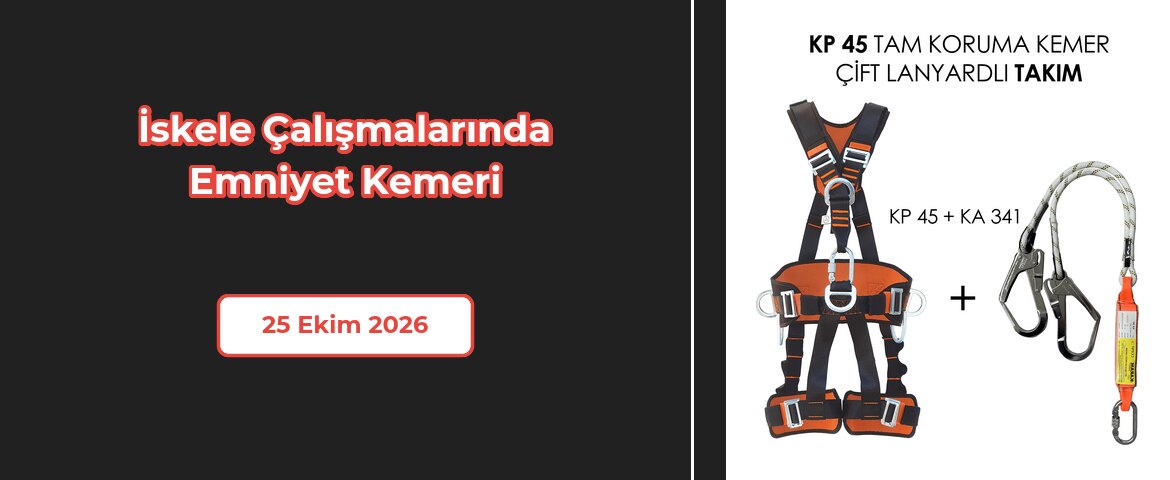
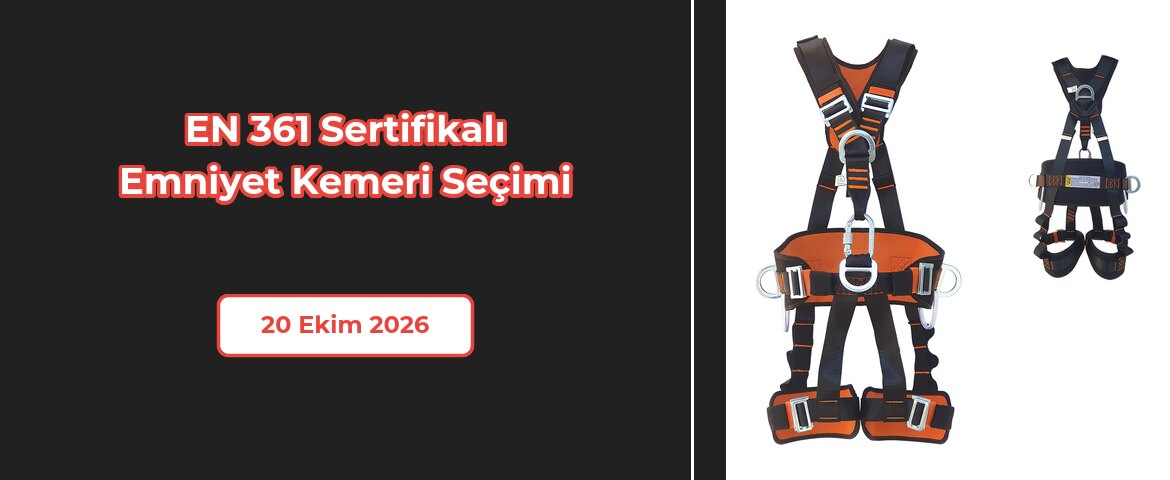
Safety harnesses differ according to the areas in which they are used. If we group harnesses, the first group may be harnesses used in confined spaces. The best example of this is the harnesses used by personnel entering sewers. Safety belts usually called waist type, which are attached only around the waist, are used for these tasks. Our second group may be harnesses used in steep and high places. Examples of this group are people working on electricity poles or personnel cleaning the windows of tall buildings. They usually use safety harnesses called parachute type, which protect the whole body. These groups allow us to give an approximate answer to the question how many types of safety harness are there.
Periodic Inspection of the Full Body (Parachute Type) Safety Harness
Like all equipment, safety harnesses must be inspected periodically. Under this heading, we will look at what should be considered during the periodic inspection of the full body (parachute type) safety harness. First of all, make sure there are no tears in the harness webbing. The idea that one missing strap will not cause a problem because the harness provides full body support is completely wrong and puts the worker's life at risk. Making sure that the buckles work properly is the other most important part of the inspection. In addition, these harnesses should be inspected regularly by personnel before each use.
Let our team recommend the best equipment for your needs and quote you quickly.