

In This Article
In answer to the question what is the benefit of an occupational safety harness, "It is a safety measure used against possible accidents arising from working conditions." can be given as the reply.
At What Intervals Should Safety Harnesses Be Inspected?
The question of at what intervals a safety harness should be inspected is a detail that must not be overlooked in preventing risk. Occupational safety harnesses are used for only 5 years after their date of manufacture. A harness must definitely not be used if the natural colour of its webbing has changed, if the webbing is worn or the stitching has come apart, if the buckles do not work properly and as required, if the metal parts are deformed, or if the harness is so worn that the product brand can no longer be read. Even one of these conditions occurring is a sufficient reason not to use the harness.
Periodic Inspection of Full Body (Parachute Type) Safety Harnesses
Periodic inspection of full body (parachute type) safety harnesses is carried out using periodic inspection documents prepared by OHS specialists. When asked what the benefit of an occupational safety harness is, it can be said that checking the inspection points before every use is what creates the real benefit. The main inspection points are as follows:
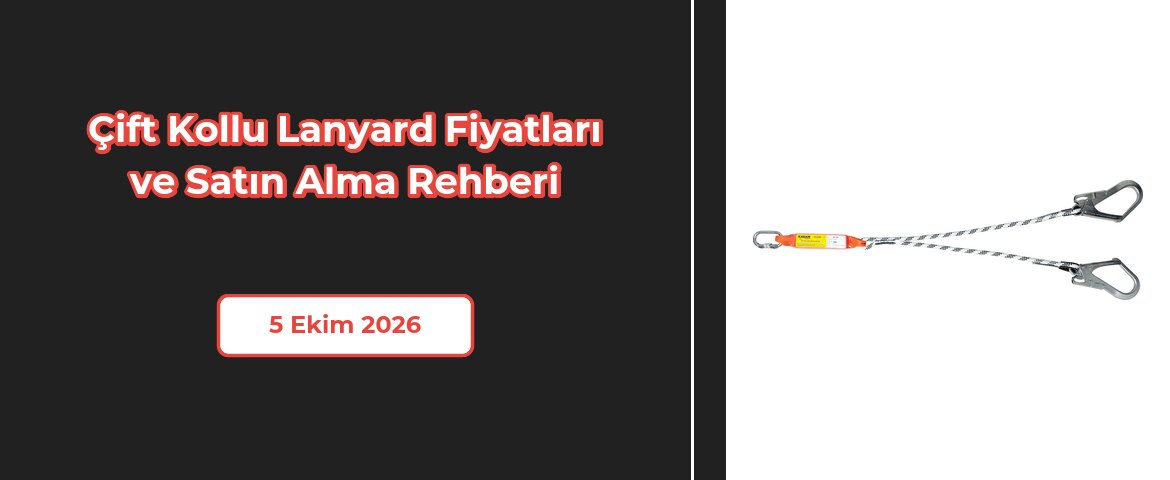
- Lanyard: Damage check
- Hooks: Wear, deterioration
- Buckles and adjusters: Loss, functional problems
- D-rings: Freedom of movement
- Stitching: Unravelling, wear
- Hooked ring: Stretching, wear
- Shock absorber: Overloading
Full Body (Parachute Type) Safety Harness Instructions for Use
Full body (parachute type) safety harness instructions for use are detailed below.
- First of all, it is important to seat the safety harness properly on the waist.
- The 3 interlocking buckles are fastened correctly and secured.
- The attachment rings on both sides are fixed in a balanced manner.
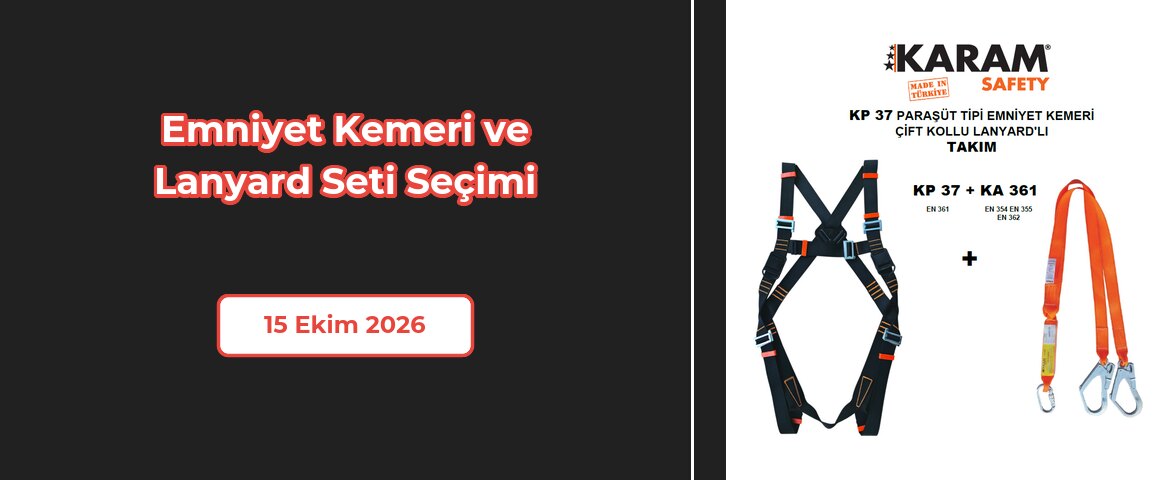
- The rope on the harness is attached to a point that is sturdy, will not damage the rope, is higher than the user's position and can bear the user's weight in the event of a fall. The slack in the harness rope must not exceed 50 cm.
- When removing the waist support belt: the waist hook is opened. The shoulder strap hooks attached to the waist support are removed. The buckles on the leg straps are opened and the waist support is removed from the seat strap.
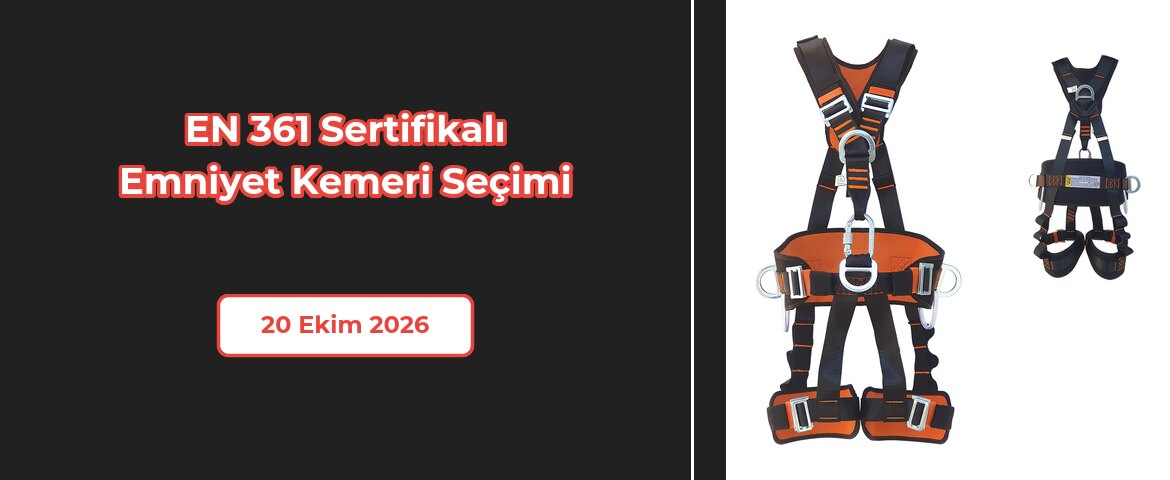
- While using the full body safety harness, the straps must be straight, the red plastic part must sit at the waist, and the part to be passed over the legs must face downwards.
- The plastic part that sits on the back joins the shoulder straps at the middle of the back and carries the D-ring, the connecting element that prevents falls.
- Putting on the full body harness: the leg loops are put on, right and left in turn. The back plastic is positioned on the back following the order of the right and left shoulders. The waist and shoulder buckles are tightened.
The final word that can be said on What Is the Benefit of an Occupational Safety Harness: safety harnesses must be used for their intended purpose, and harnesses that have been exposed to direct sunlight or any chemical substance, that are deformed or rusted, or whose expiry date has passed must never be used under any circumstances.
Let our team recommend the best equipment for your needs and quote you quickly.