

In This Article
Safety equipment used in working from height is always of critical importance. Working at height is a hazardous activity commonly carried out in many sectors such as construction, maintenance and cleaning. The use of various safety equipment is essential to prevent accidents that may occur during this type of work. Safety equipment used in working from height is vital for ensuring workers' safety and preventing possible accidents. Here are the safety equipment items that stand out;
- Safety nets
- Safety harnesses
- Fall prevention systems
- Connecting equipment and ropes
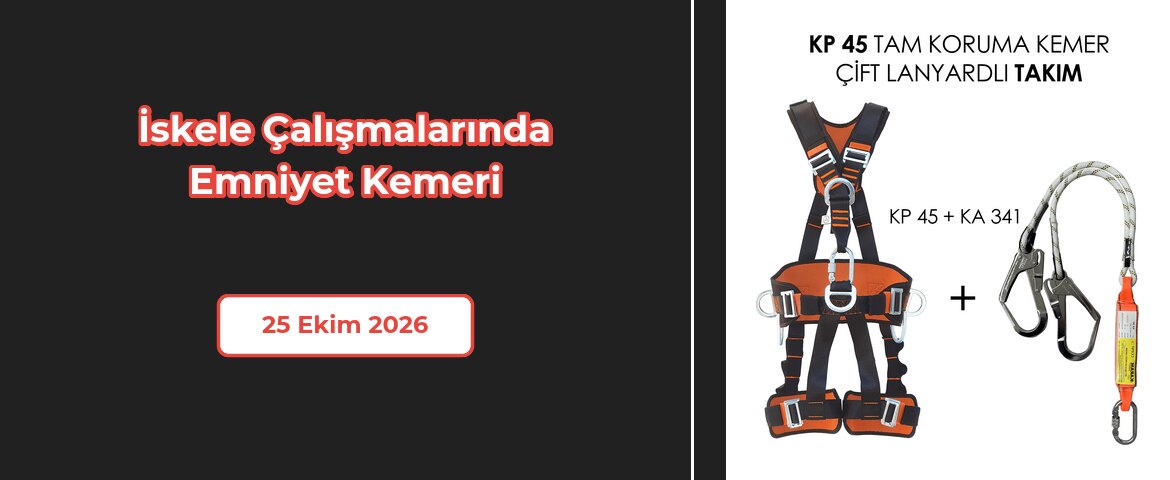
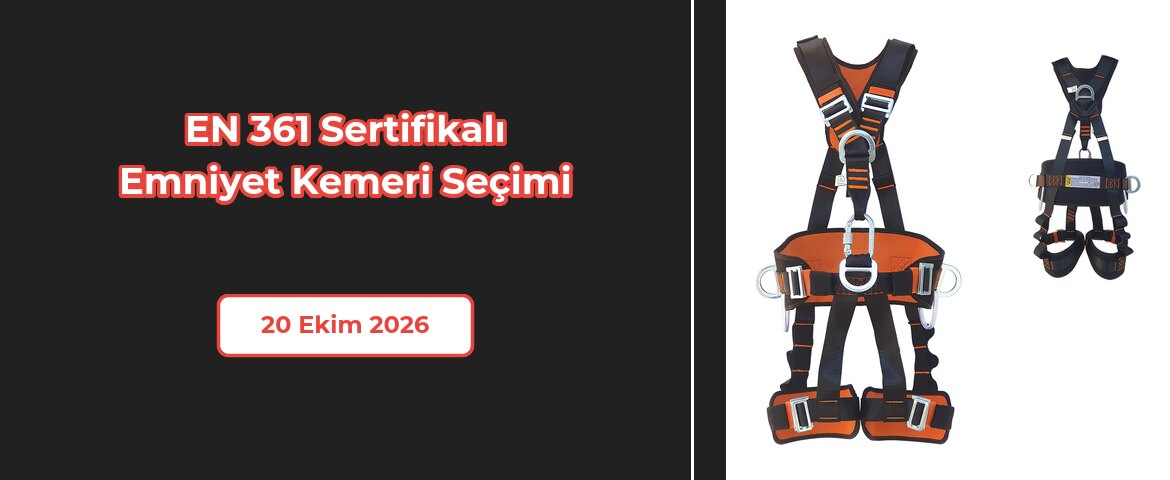
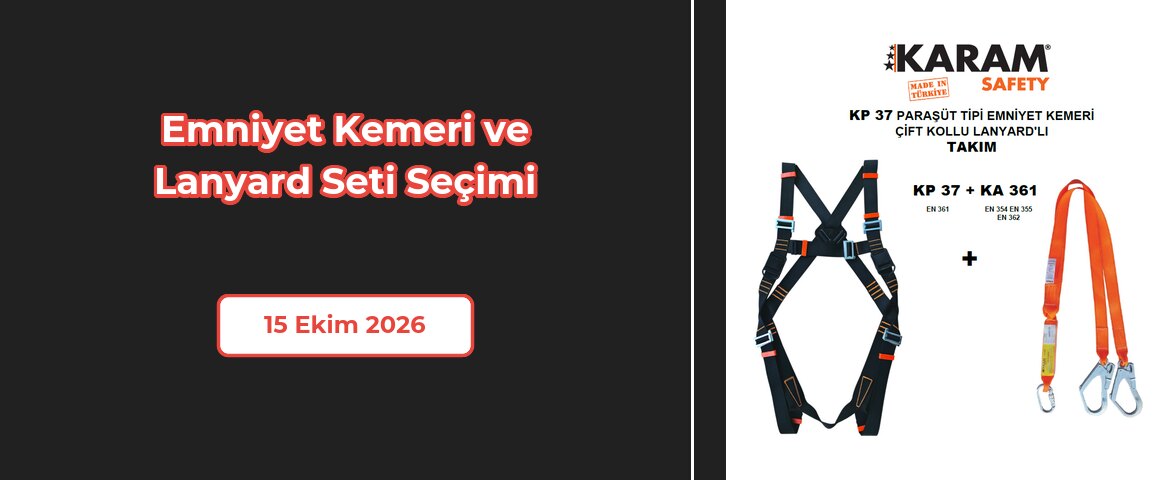
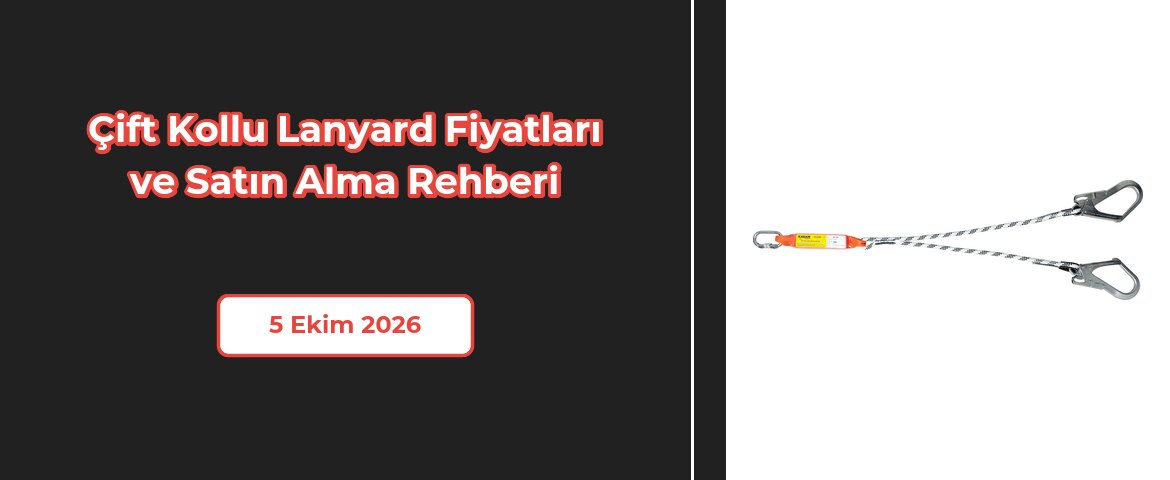
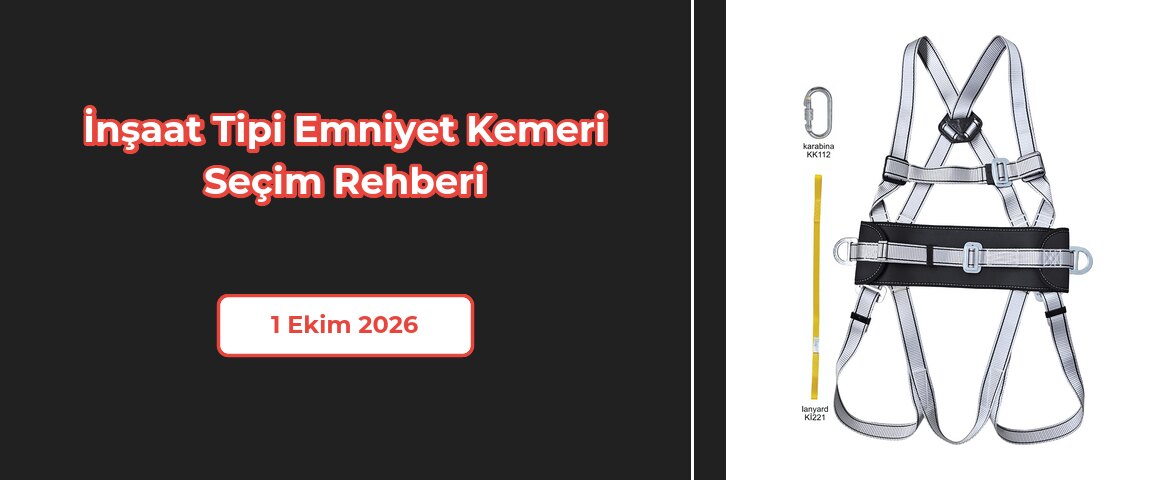
One of the most basic pieces of safety equipment when working at height is the safety harness. A safety harness ensures that the worker is stopped safely in the event of a fall and prevents serious injuries. There are different types of safety harnesses, each with features suited to its area of use. Ropes are attached to workers' safety harnesses and allow them to move safely when working at height. Connecting elements, in turn, ensure that ropes are fastened securely and can be released quickly when necessary.
Fall prevention systems are mechanical or electronic devices used to prevent workers from falling. These systems are activated automatically in the event of a fall and stop the worker safely. Safety nets are placed beneath areas where work at height is carried out; they catch the worker in the event of a fall and prevent serious injuries. Safety nets are widely used, especially in large construction projects.
The Risks and Importance of Working at Height
Working at height is an activity commonly carried out in various sectors and involves serious risks. Accidents that may occur during this type of work can endanger workers' lives and cause serious injuries. The risks of working at height and the importance of these risks are of great significance in terms of occupational safety. The greatest risk when working at height is falling. If workers lose their balance or safety measures are inadequate, serious fall accidents may occur.
Falls endanger workers' lives and can cause permanent injuries. Tools, equipment or materials used during work at height falling is also a major risk. Falling materials can harm both workers and other people in the work area. Working at height is an activity that requires special training. Inadequate training of workers can lead to non-compliance with safety rules and an increase in accidents.
Providing a safe working environment increases workers' productivity. When workers work in a safe environment, they are more productive and motivated. Companies that attach importance to occupational health and safety gain a better reputation in the sector. Safe working conditions enhance the company's prestige and ensure employee loyalty. The risks and importance of working at height are issues that must not be overlooked in terms of occupational safety.
Basic Safety Equipment for Working at Height
Working at height is an activity frequently encountered in many sectors and carries high risks. Therefore, the use of certain safety equipment is mandatory to ensure workers' safety. The basic safety equipment used in working at height protects workers from falls and other accidents. Safety equipment used in working from height is always of critical importance.
While the helmet is used to prevent head injuries, eye protectors protect the eyes from foreign objects. Head and eye injuries can occur frequently during work at height, so this equipment is of vital importance. This basic safety equipment used when working at height is extremely important for protecting workers' lives and preventing accidents. Employers must ensure the correct and regular use of this equipment and ensure that workers receive training on this subject.
Safety Harness and Its Areas of Use
Safety harnesses are one of the basic pieces of safety equipment used to ensure workers' safety when working at height. In the event of a fall, a safety harness stops the worker's fall, preventing serious injuries and deaths. A safety harness is a system that wraps around the worker's waist and chest area and stops the worker's fall in the event of a fall.
Safety harnesses are generally used in sectors where work at height is carried out, such as construction, maintenance and cleaning. Safety harnesses come in different types and with different features, and each is designed for specific working conditions. Here are the areas of use of safety harnesses;
- Construction Sector
- Energy Sector
- Industrial Facilities
- Maintenance and Repair Work
Workers on construction projects use safety harnesses when working on high scaffolding, roofs and building facades. These harnesses enable workers to work safely at height and minimise the risk of falling. Workers carrying out maintenance and repair of buildings and other structures can work safely by using safety harnesses. The use of a safety harness is vitally important, especially during window cleaning and facade repairs on high-rise buildings.
Workers working at height in factories and other industrial facilities also use safety harnesses. These harnesses make it possible to work safely at height during machinery and equipment maintenance. Workers in power lines, wind turbines and other energy facilities use safety harnesses when working at height. These harnesses are used to ensure workers' safety and prevent the risk of falling.
Ropes and Connecting Elements
Ropes and connecting elements are an important part of the safety equipment used when working at height. This equipment allows workers to move and work safely. Ropes and connecting elements are vital for reducing the risk of falling and ensuring workers' safety. Static ropes are ropes with minimal stretch, used for work that requires remaining in a fixed position when working at height.
Dynamic ropes have stretch properties and act as shock absorbers in the event of a fall. These ropes reduce the impact of the fall and ensure that the worker is stopped safely. These ropes, used in rescue operations, enable workers who have fallen from height or become stranded to be rescued safely. Rescue ropes are made from durable and reliable materials.
Fall Prevention Systems
Fall prevention systems used when working at height are important pieces of safety equipment designed to ensure workers' safety and minimise the risk of falling. Fall prevention systems consist of various mechanical and electronic devices and, by stopping the worker safely in the event of a fall, prevent serious injuries and deaths.
Personal fall prevention systems consist of the safety harness worn by the worker, a rope and connecting elements. These systems ensure that the worker is stopped safely in the event of a fall. Personal fall prevention systems are ideal especially for individual work. Collective fall prevention systems consist of equipment used to ensure the safety of more than one worker. For example, equipment such as safety nets and guardrails surround the work area and reduce the risk of falling.
Mobile Fall Arrester Systems
Mobile fall arrester systems are safety equipment used to enable workers to work safely at height without restricting their freedom of movement. These systems lock automatically if a worker falls and, by arresting the fall, prevent serious injuries. Mobile fall arrester systems are widely used, especially in construction, maintenance and industrial facilities.
Mobile fall arrester systems allow workers to move freely in the work area. These systems make it possible for workers to work safely without restricting their mobility. Locking automatically in the event of a fall, these systems arrest the fall and stop the worker safely. The automatic locking mechanism works quickly and effectively, minimising the risk of falling.
Safety Nets and Their Areas of Application
Safety nets are safety equipment used to minimise the risk of workers falling when working at height and to prevent serious injuries in the event of a fall. These nets are placed beneath work areas so that workers are caught in the event of a fall. Safety nets are widely used, especially in large construction projects and in the maintenance of tall structures.
Safety nets are made from high-strength materials and designed to withstand harsh working conditions. These nets are strong enough to catch a worker safely in the event of a fall. Thanks to their flexible structure, safety nets absorb the impact in the event of a fall and ensure that the worker is stopped safely. Flexibility reduces the severity of the fall and prevents serious injuries.
Safety nets can be installed quickly and easily. These nets are fixed at suitable points beneath the work area, providing a safe working environment. In construction projects, safety nets are used for workers working on high scaffolding, roofs and building facades. These nets minimise workers' risk of falling and prevent serious injuries in the event of a fall.
Maintenance and Inspection of Equipment for Working at Height
Regular maintenance and inspection of the safety equipment used when working at height is of vital importance for workers' safety. Regular maintenance and inspections must be carried out to ensure that this equipment works properly and remains reliable. Regular maintenance and inspection of safety equipment ensures workers' safety. Equipment that is not maintained can fail during use and cause serious accidents.
Employers must carry out regular maintenance of this equipment, perform inspections and attach importance to workers' training. In this way, occupational accidents can be prevented and a safe working environment can be ensured.
Let our team recommend the best equipment for your needs and quote you quickly.