
In This Article
What is personal protective equipment? In which situations is it used? Personal protective equipment is equipment that protects employees against occupational accidents and occupational diseases. This equipment is used to reduce risks in hazardous working environments and is vital for protecting the health and safety of employees. Personal protective equipment is produced in different types and for different purposes to provide protection against the various hazards that may arise in the workplace. So, what is personal protective equipment? In which situations is it used? Here are the details
The correct selection and use of personal protective equipment is of great importance for occupational safety. Using equipment suited to the nature of each job increases employee safety and prevents occupational accidents. Regular inspection and maintenance of personal protective equipment and proper training of users also play a critical role in ensuring effective protection. That is why always paying careful attention to personal protective equipment stands out as an indispensable rule.
Definition and Importance of Personal Protective Equipment
Personal protective equipment is equipment used to protect the health and safety of employees. Personal protective equipment provides a physical barrier against the various hazards that may be encountered in workplaces. These hazards may include chemicals, noise, the risk of falling, cutting tools or harmful gases. The use of personal protective equipment plays a critical role in preventing occupational accidents and occupational diseases. Here are the criteria that show the importance of personal protective equipment:
- It holds a major place in occupational health and safety.
- Employees need training in order to use this equipment correctly.
- When used correctly, it significantly reduces the risk of employees being involved in occupational accidents.
- The use of personal protective equipment also increases work efficiency.
- A safe working environment allows employees to focus on their work and maximise their performance.
The use of personal protective equipment is vital both for employee health and safety and for the efficiency of the workplace.
Head Protection
Head protection is personal protective equipment designed to protect employees' heads against impacts, falling objects and electrical hazards in the workplace. This equipment stands out for its impact-resistant construction, generally made of hard plastic.
Head protection is widely used in hazardous work environments such as construction, mining, industrial maintenance and manufacturing. In such jobs, protecting employees' heads is critical to preventing serious injuries and even deaths. Head protection must be worn properly and inspected regularly. In addition, the appropriate type of head protection should be chosen for the different risks that may arise in the workplace. For example, insulated head protection should be preferred in environments where electrical work is carried out.
Eye and Face Protection
Eye and face protection is personal protective equipment used to protect employees' eyes and faces from chemicals, flying particles, radiation and splashes. This protection is generally made of plastic or glass and comes in different designs for different lines of work.
Eye and face protection is vital for employees carrying out hazardous work such as welding, chemical work, laboratory work and metalworking. This equipment prevents serious injuries that may occur in the workplace and ensures employee safety. Eye protection is mostly designed in the form of goggles, masks or visors. Each is specifically produced against different hazards and has its own appropriate areas of use. For example, eye protection used during welding is resistant to high heat and radiation.
Hearing Protection
Hearing protection is personal protective equipment used to prevent hearing loss and other hearing problems caused by the high noise levels to which employees are exposed in the workplace. This equipment can take different forms, such as earplugs and earmuffs.
Hearing protection is vital in industrial plants, construction sites, airports and other noisy workplaces. Employees exposed to high noise for long periods in such environments are at risk of hearing loss. Hearing protection reduces the noise level to a safe level and protects employees' health. Earplugs are small protectors inserted into the ear and are generally disposable. Earmuffs, on the other hand, are larger protectors that reduce noise by covering the ears completely. Both types should be chosen to suit specific working conditions.
Respiratory Protection
Respiratory protection is personal protective equipment that protects employees from harmful gases, vapours, fumes and particulates. This equipment can take various forms, such as masks, respirators and filters. Employees in sectors such as chemicals, pharmaceuticals, agriculture and construction may be exposed to hazardous substances.
Respiratory protection prevents these substances from entering the body through the respiratory tract and prevents serious health problems. Mask-type respiratory protection is generally used for short-term, low-risk work. In more hazardous environments, full-face masks or respirators are preferred. Such protection provides maximum protection by completely preventing the inhalation of harmful substances.
The effectiveness of respiratory protection is ensured through correct selection, use and maintenance. Training employees on how to use this equipment increases the level of protection. In addition, the filters of respiratory protection must be replaced regularly and the devices must be maintained. In conclusion, respiratory protection is among the critical equipment that protects employees' health in the workplace and ensures occupational safety.
Hand Protection
Hand protection is personal protective equipment used to protect employees' hands from cuts, burns, chemicals and other hazards. This protection generally takes the form of gloves and is made from different materials.
Hand protection is vital in hazardous work environments such as construction, metalworking, chemicals and healthcare. Employees' hands are among the parts of the body most vulnerable to occupational accidents. Gloves provide a physical barrier against these hazards and reduce the risk of injury. The glove material should be chosen according to the area of use. For example, nitrile or latex gloves are preferred in environments where chemicals are handled, while leather or Kevlar gloves are used against mechanical hazards.
Foot Protection
Foot protection is personal protective equipment used to protect employees' feet from falling objects, cutting tools, chemicals and electrical hazards. This protection can generally take the form of steel-toe boots, anti-static shoes and chemical-resistant shoes.
Foot protection is vital in hazardous work environments such as construction, mining, metalworking and the chemical sector. Employees' feet are among the parts of the body most vulnerable to occupational accidents. Foot protection provides a physical barrier against these hazards and reduces the risk of injury. The material of foot protection should be chosen according to the area of use. For example, steel-toe boots are preferred on construction sites, while chemical-resistant shoes are used in environments where chemicals are handled.
Body Protection
Body protection is vital for occupational safety. This protection ensures the safety of employees who face various hazards. Body protection provides protection against cuts, impacts, chemical splashes and burns that may occur in the workplace.
One of the most common examples of body protection is workwear. These garments are made of durable materials and protect employees' bodies from external factors. For example, firefighters who fight fires wear special heat-resistant clothing. This clothing protects against high temperatures and ensures the safety of firefighters.
Body protection is indispensable for ensuring the safety of employees in the workplace. For the safety of employees, appropriate body protection must be selected and used regularly. Employers are obliged to take the necessary measures and provide appropriate protective equipment to ensure the safety of their employees.
Fall Protection
Fall protection is extremely important for ensuring the safety of workers working at height. This protection is used to minimise the risk of falling during work at height and to prevent workers from being harmed in the event of a fall.
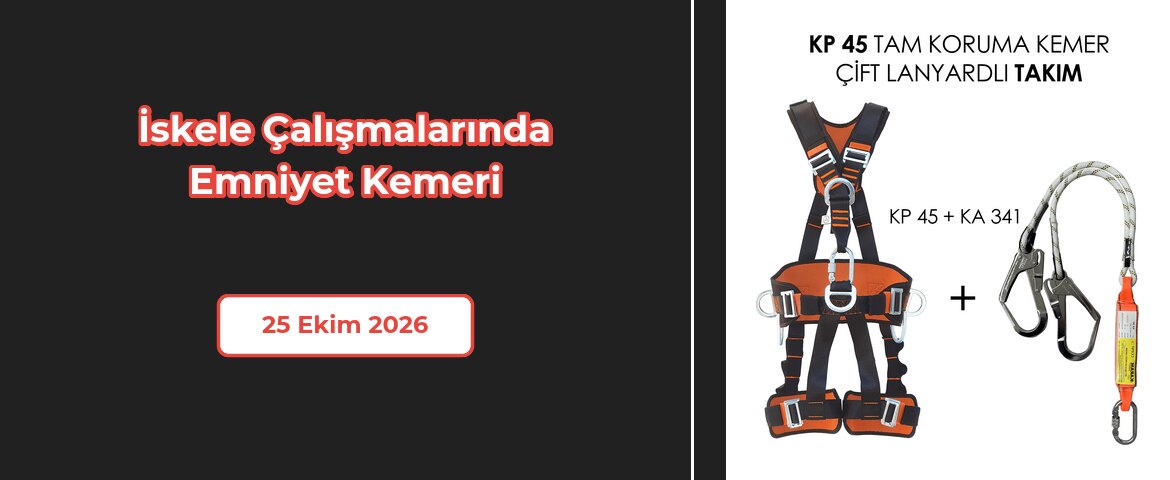
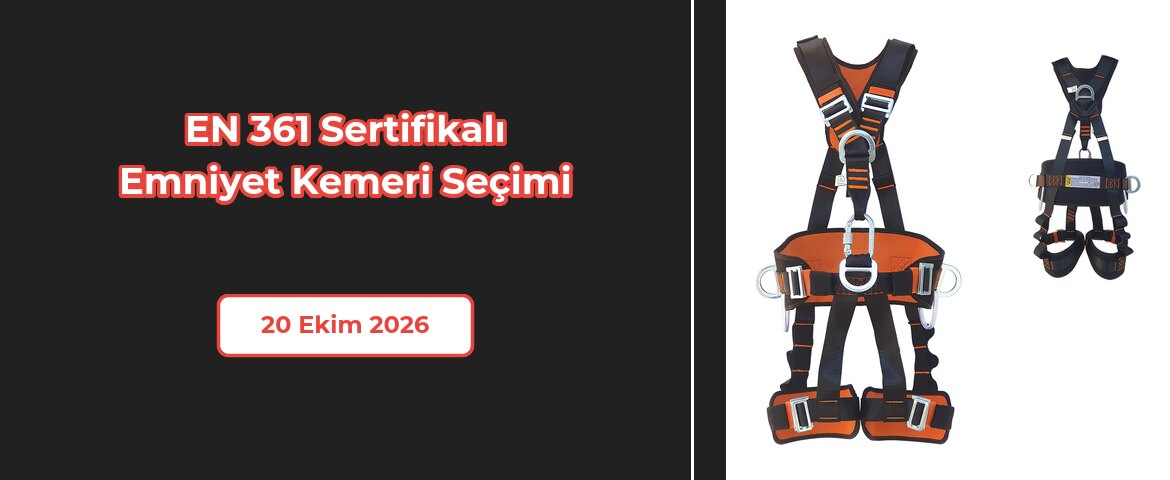
One of the most commonly used types of fall protection is the safety harness. Safety harnesses enable workers to work safely at height. Connected to securely fixed anchor points, these harnesses hold the worker at the moment of a fall and prevent the fall. Safety harnesses are widely used, generally in construction, maintenance and other sectors that require work at height.
For fall protection to be used effectively in workplaces, it is important that employees are made aware of and trained on this equipment. Employers must regularly train their employees on the use of fall protection and carry out the necessary inspections. It is also important that fall protection equipment is regularly maintained and stored properly.
Chemical Protection
Chemical protection is important equipment that protects employees from harmful chemicals in the workplace. This protection is used to ensure the safety of workers handling chemicals and to minimise potential health risks.
One of the most commonly used types of chemical protection is protective gloves. Made of materials resistant to chemicals, these gloves protect employees' hands from harmful chemicals. Gloves made of materials such as PVC, nitrile and neoprene show high resistance to chemicals and ensure employee safety.
Respiratory protection also holds an important place among chemical protection. Chemical vapours, gases and dusts can enter the body through the respiratory tract and cause serious health problems. For this reason, workers handling chemicals must use respiratory protection. Gas masks, filter masks and respirators ensure workers' safety by preventing chemicals from entering the body through the respiratory tract.
Protection for Electrical Work
The use of special protection is vital for the safety of workers carrying out electrical work. Electric shock, burns and other electrical accidents can pose serious health risks. For this reason, protection must be used correctly in electrical work.
The most common type of protection used in electrical work is insulating gloves. These gloves are made of materials with high resistance to electric current and protect workers' hands against electric shock. Insulating gloves ensure workers' safety during the installation, maintenance and repair of electrical systems.
Insulating shoes are also an important form of electrical protection. These shoes ensure workers' safety by preventing electric current from passing through the feet. Insulating shoes generally have rubber soles and provide a high level of protection against electric shock. Workers carrying out electrical work must be enabled to work safely by using insulating shoes.
Heat and Flame Protection
Heat and flame protection is used to ensure the safety of workers in workplaces where there is a risk of high temperatures and flames. This protection provides a safe working environment by preventing workers from being exposed to burns and heat.
The most common type of heat and flame protection is flame-retardant clothing. This clothing is made of materials resistant to high heat and flames. Firefighters, metalworkers and other workers exposed to high heat minimise the risk of burns by wearing flame-retardant clothing. This clothing is generally made of aramid, carbon fibre and other flame-resistant materials.
Face protection also holds an important place among heat and flame protection. Face protection protects the face against high heat and flames. Welding masks, face shields and other face protection provide a safe working environment by protecting workers' faces from high temperatures and flames.
Radiation Protection
Radiation protection is important equipment used to ensure the safety of workers who work with radiation. Radiation can cause serious health problems, and the necessary measures must be taken for workers' safety. This protection provides a safe working environment by minimising workers' exposure to radiation.
One of the most commonly used types of radiation protection is the lead apron. Lead is a material capable of absorbing radiation and protects workers' bodies from radiation. Lead aprons are widely used, especially in medical radiology, nuclear energy and other radiation-related sectors. These aprons prevent serious health problems by preventing workers' exposure to radiation.
Radiation protection gloves also hold an important place. These gloves are made of materials capable of absorbing radiation and protect workers' hands from radiation. Radiation protection gloves are widely used in nuclear power plants, radiology departments and other workplaces where radiation is handled.
Slip and Fall Prevention Protection
Slip and fall prevention protection is important equipment used to ensure the safety of employees in the workplace. This protection helps prevent occupational accidents by minimising the risk of slips and falls in the workplace. Slips and falls in the workplace can lead to serious injuries and pose a significant threat to occupational safety.
The most common type of slip and fall prevention protection is non-slip shoes. These shoes provide high grip even on slippery floors and enable workers to work safely. Non-slip shoes generally have non-slip soles and allow safe walking on various surfaces. These shoes provide ideal protection for workers in restaurants, factories, construction sites and other places with slippery floors.
Grab bars are also among slip and fall prevention protection. These bars allow workers to hold on securely on stairs, ramps and other elevated areas. Grab bars minimise the risk of falling by helping workers maintain their balance. These bars provide important protection, especially for older workers and workers with limited mobility.
Let our team recommend the best equipment for your needs and quote you quickly.