

In This Article
What Is a Safety Harness?
The laws on protection against accidents in factories, which came into force in 1887, are where the safety harness originates; with this legislation, the safety harness came into use.
In our country, the safety harness came into force in 1971: the relevant article of the Occupational Health and Safety Regulation, issued under Article 74 of Labour Law No. 1475 and in force since 1973, states that, in order to take the necessary safety precautions for persons engaged in maintenance, repair and renovation work on buildings, structures and similar high places more than 4 metres high where it is not possible to work in guarded hazardous places, these shall be used by the workers concerned.
Safety Harnesses
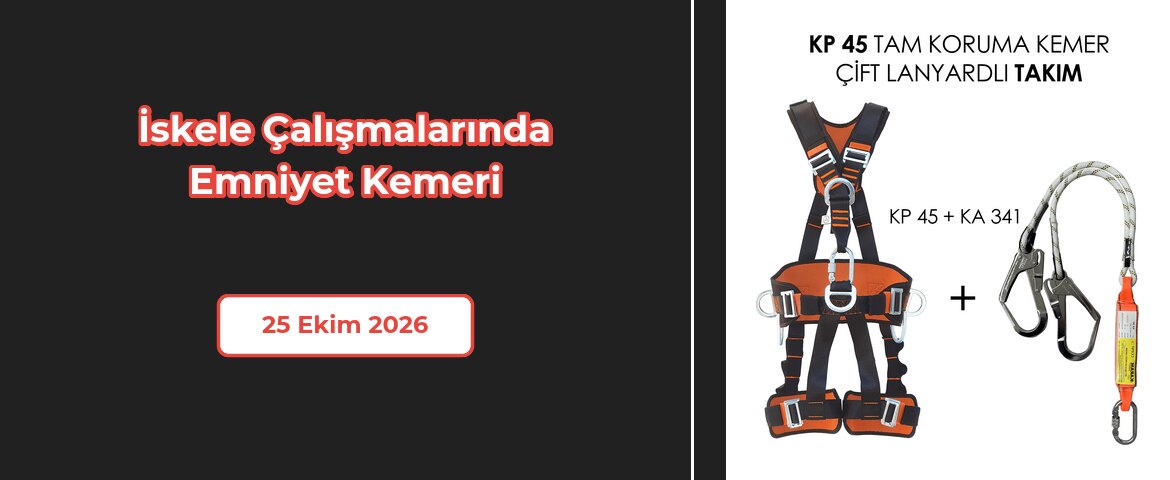
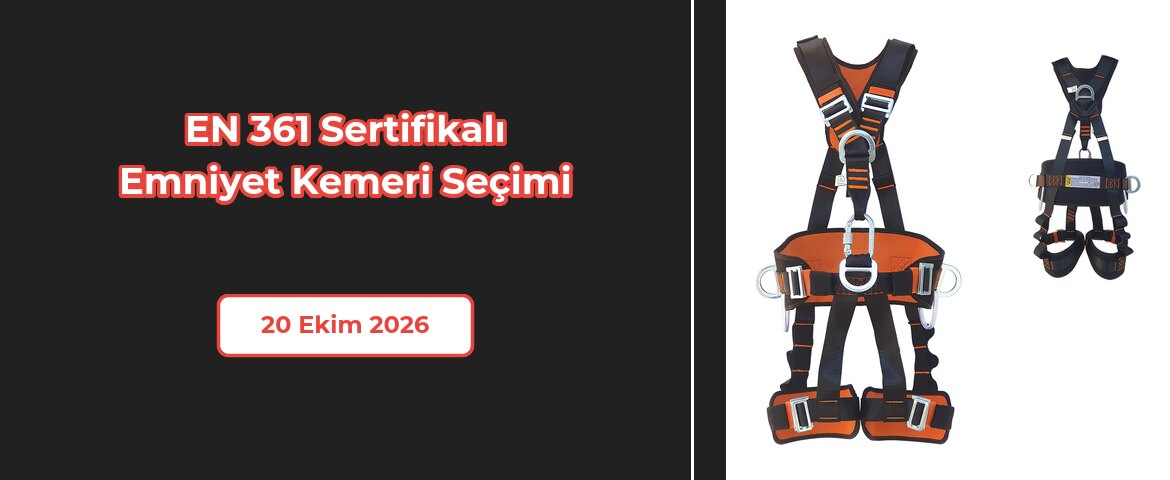
For people engaged in hazardous work, there are various types of safety harnesses made in different models.
According to different countries, safety harnesses must follow a certain manufacturing style and pass certain required tests. When safety harnesses are made, certain features must be taken into account. For example, they must increase the chances of survival of a worker falling from a construction site by 65% and make it easier for workers to do their jobs.
What Is a Construction-Type Safety Belt?
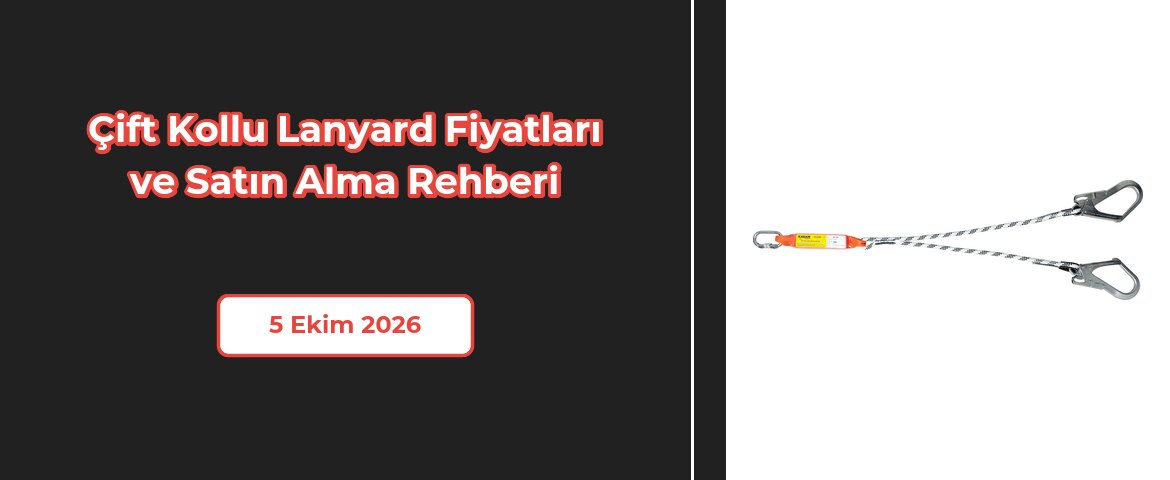
It is a type of precaution used for workers performing their jobs at height on construction sites, based on the arms, back, shoulders and legs. One must be knowledgeable about how to use the belt. Otherwise, the risk of an accident is a real possibility. It sometimes comes with cords and sometimes with internal padding.
Places Where Safety Harnesses Are Used
1. They are used in construction, demolition and assembly work.
2. They are also used for climbing on poles, towers and similar high and steep places, and for work such as window cleaning.
3. They can be used in enclosed spaces, i.e. places such as tanks and boilers, because places like these can be dangerous.
Let our team recommend the best equipment for your needs and quote you quickly.