

In This Article
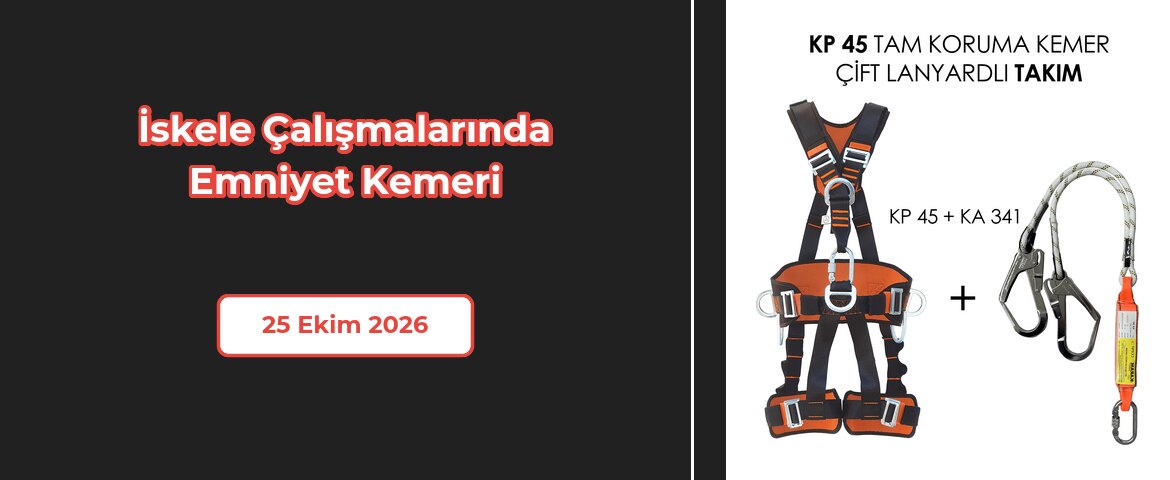
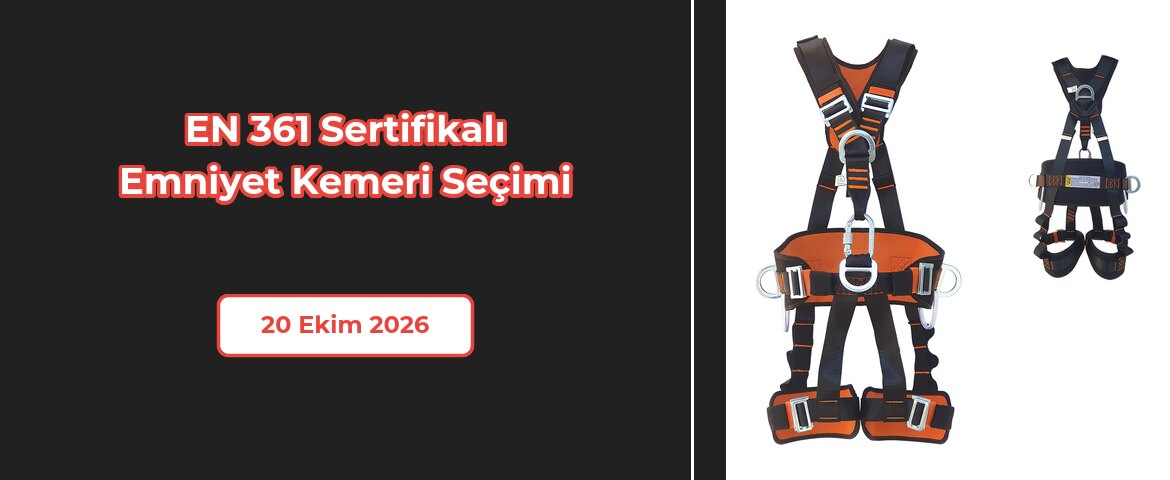
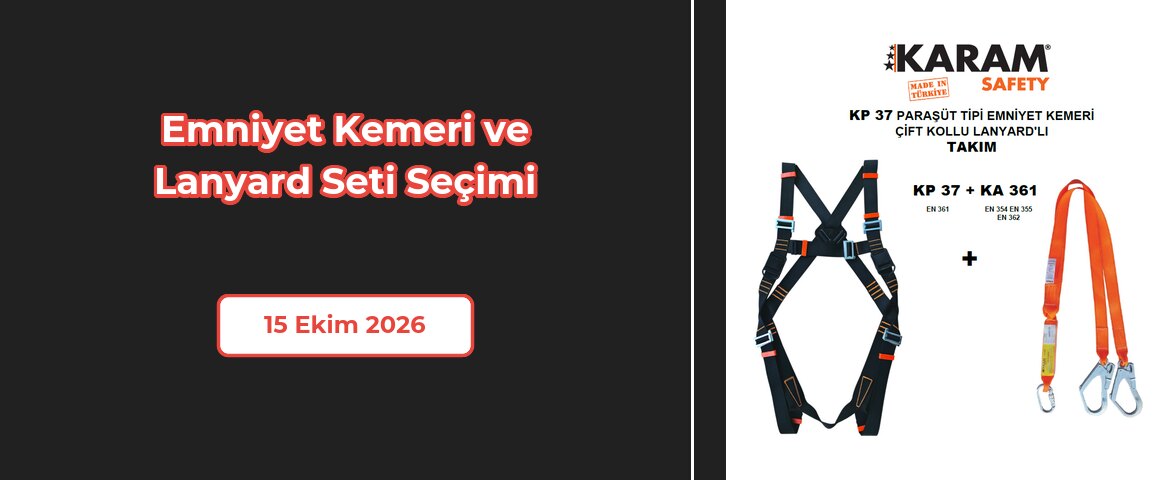
A parachute type safety harness is recommended for use by workers working at height, mountaineers, climbers and parachutists. All of the areas we have mentioned involve high places, and it is a product that must be used. In other words, the parachute type safety harness is a form of safety belt for those working at height. Compared with other belts, the parachute type safety harness covers the whole body. To be more precise, its rope and strap sections surround the body. The safety harness is found on the shoulders, arms, legs and waist. It has a ring that wraps around from the shoulders and protects the waist and the upper legs. In the event of any sudden fall, this ring is attached to the hook and does its job.
Since the parachute type safety harness covers the whole body, it protects it. In a sudden fall that may occur, it is the parachute type that saves you from death. Some parachute type safety harnesses have lumbar support. Thanks to lumbar support, you can protect your back from fractures. Parachute type safety harnesses with lumbar support have padding on the shoulders and legs. Thanks to the padding on the legs and arms, workers do not experience discomfort and can continue their work. Not all parachute type safety harnesses have padding.
What Should Be Considered When Buying a Parachute Type Safety Harness?
- The harness to be purchased should be of the parachute type.
- It should have an ergonomic design and should not hinder the worker when they need to remain suspended for a long time.
- The parachute type safety harness should be adjustable to every body size.
- In places well above the ground, if the worker will work for a long time, it should be made in such a way that it does not hinder the worker.
- The harness should have a D-ring on its back plate.
- The parachute type safety harness should bear the production date and standard number.
- The parachute type safety harness should bear the CE marking.
Areas of Use of the Parachute Type Safety Harness
The parachute type safety harness should be used in dangerous places where there is a risk of falling or slipping (construction, tall factories, residences, telephone or internet poles, or installation work). It should also be used by craftsmen who do exterior cladding, painting and plastering.
Let our team recommend the best equipment for your needs and quote you quickly.