

In This Article
What is a construction safety belt and why is it important? The construction-type safety belt is one of the most important pieces of equipment used in occupational safety. It is generally designed for workers employed on the upper levels of buildings, on scaffolding or in steel construction work. These belts are manufactured from special materials to provide maximum protection against the risk of falling. So, what is a construction safety belt and why is it important? Here are all the details you have been wondering about!
Definition and Basic Features of the Construction-Type Safety Belt
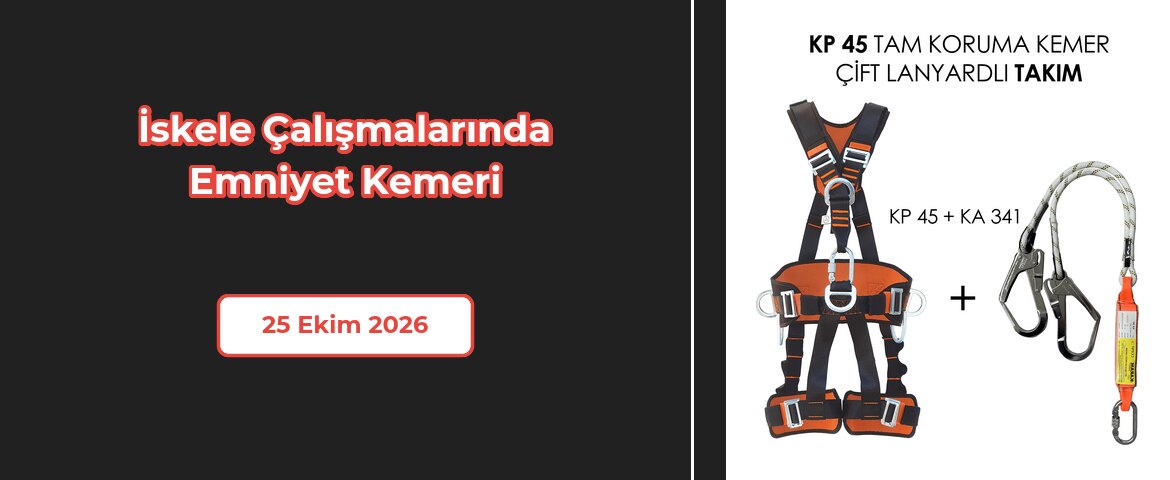
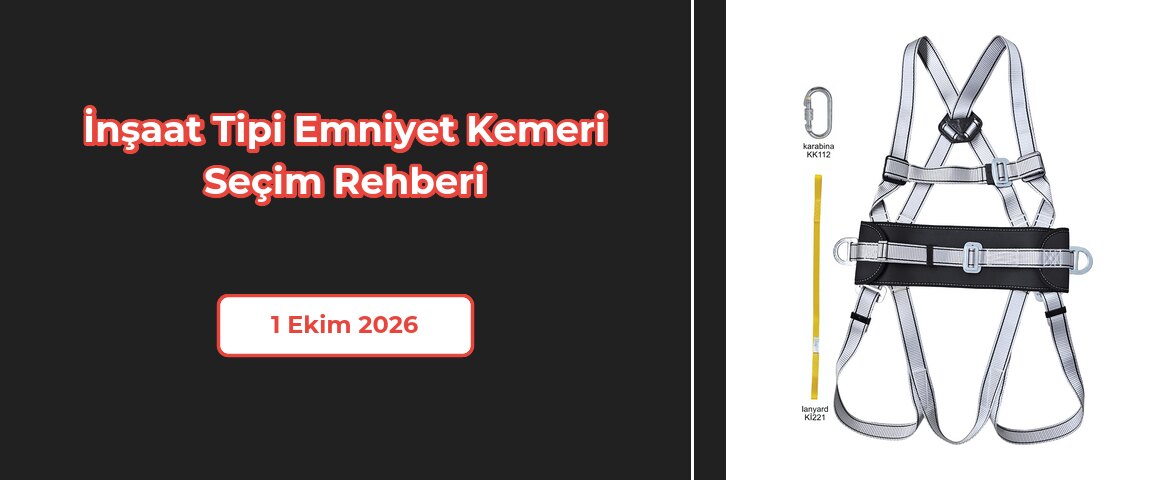
What is the construction safety belt, which delivers top-level performance in different areas, and why is it important? Construction-type safety belts are basic protective equipment designed to minimise workers' risk of falling and ensure occupational safety. This type of equipment fully surrounds the worker's body and provides maximum protection while offering freedom of movement in the working environment. A safety belt consists of waist, shoulder and leg straps and is used especially to reduce the risk of falling on high structures.
This equipment is made from highly durable materials. The main components usually include polyester or nylon. Supported by swivel hooks, durable carabiners and energy-absorbing systems, these belts raise the user's safety to the maximum level. Their structure, which can be adjusted to fit the body, allows them to adapt to each individual's different body measurements.
Their areas of use are varied. They are an effective element of protection on construction sites, on the upper areas of buildings and in all work carried out on scaffolding. Having passed strict inspections, this equipment complies with international standards. The effectiveness of a safety belt can be increased through correct use and regular maintenance.
Increasing Safety in the Construction Industry
The construction industry is one of the fields where physical risks are most concentrated. For this reason, the measures taken to increase safety are critically important. The risks to which workers at every level may be exposed can be minimised through the use of the right equipment and regular training. Here are the criteria concerning the critical importance of construction-type safety belts in increasing safety;
- Equipment that does not comply with standards should not be used
- The quality and usage features of safety belts should be taken into account
- Care should be taken to use the safety belt in a clean and organised working environment
Types of Construction-Type Safety Belts and Selection Criteria
Safety belts used in the construction industry vary and are designed to meet the requirements of different conditions. These belts are a fundamental part of fall protection systems and are used to protect workers' lives. Models are generally classified as full body type, waist type and positioning belts.
Full body type belts offer maximum protection against the risk of falling from height. These models are designed in particular so that the worker remains suspended in a balanced position during a fall. Waist type belts, on the other hand, are used in less risky areas and generally stand out for their support function. Positioning belts allow the worker to be secured at a specific point and make it possible to work hands-free.
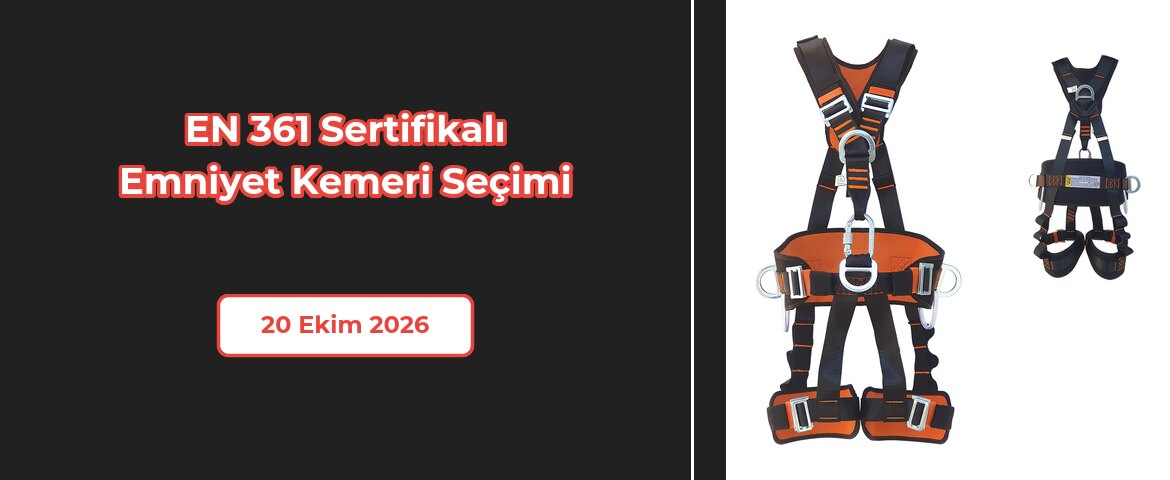
Compliance with international standards is another factor to be considered when choosing. Belts with ISO and CE certifications guarantee a high level of safety. Technical examinations should be carried out to determine whether the products have passed durability and quality tests.
Advantages of Using Safety Belts in High Working Areas
The use of a belt not only ensures individual safety; it also helps teamwork progress more efficiently. When a worker feels safe, they are more focused and careful. This speeds up the workflow and increases efficiency. An environment that minimises risk factors also raises motivation levels.
A safety belt prevents harm to the individual's body in the event of a fall. The spine and joints are protected from the effects of the impact. The energy-absorbing systems found in modern belts in particular absorb sudden irregular movements and ensure a smooth descent. Another advantage is its legal importance.
Common Mistakes in Using Construction-Type Safety Belts and Their Solutions
Safety belts are of critical importance, especially in the construction industry. However, incorrect use of this equipment can cause unwanted accidents. One of the most common mistakes is not putting the belt on properly. If it is not adjusted to fit tightly and fully, the expected protection is not provided.
Choosing the wrong anchor points when using a belt is also a major risk. Connections made to surfaces not designed for anchoring can increase the impact of a possible fall. For this reason, anchor points must be certified and selected under suitable conditions.
Another common mistake is not inspecting the safety belt at regular intervals. Excessive use or improper storage conditions cause the equipment to weaken over time. Damage to the fibres of the belt can go unnoticed and increase the risk of accidents.
Safety Belt Maintenance and Tips for Long-Lasting Use
Regular maintenance is required for safety belts to last a long time and provide effective protection. It is very important that the equipment is examined in detail before each use. When visible wear or damage is detected, the equipment must be taken out of use immediately. Here are maintenance and long-lasting use tips for safety belts;
- Keeping the belt clean is one of the basic ways to maintain its performance
- Excessive use of chemicals should be avoided during cleaning
- Direct exposure to sunlight should be avoided while the belt is drying
Storage is another factor affecting the durability of a safety belt. The equipment should not be stored in damp or excessively hot areas. A closed, dry area is ideal for preserving the structure of the belt. Storing it together with heavy materials that could damage it should be avoided. Technical inspections of the safety belt should be carried out by expert teams at specified intervals.
Acting in line with the instructions set by the manufacturer extends the life of the product. The user must pay attention to the recommended maximum weight capacity. When the belt is not in use, it is recommended to keep it in a suitable bag or case. Correct storage and regular maintenance significantly extend the life of the equipment and support a safe working environment.
Let our team recommend the best equipment for your needs and quote you quickly.