

In This Article
A lanyard is an elastic safety rope that provides protection against the risk of falling from height by creating a connection between a safety harness and a secure anchor point. This simple yet vitally important device is indispensable for workers, especially in construction, climbing and industries that require working at height. Work safety is one of the essential elements of working life, and lanyards are among the foremost pieces of equipment used in this context.
The use of lanyards provides maximum safety without restricting the worker's mobility. Usually adjustable in length, these ropes give the user the freedom to do their job with confidence. They are manufactured in different types and capacities. Some models have energy-absorbing properties that reduce the sudden loads that may occur during a fall, thereby minimising the risk of injury.
When selecting work safety equipment, the quality and suitability of the lanyard are of great importance. Choosing lanyards that comply with standards such as ANSI and OSHA significantly increases work safety. This equipment must be inspected regularly and replaced whenever it shows any sign of wear. The correct use of this equipment plays a critical role in protecting workers' health by increasing safety in the workplace.
What Is a Lanyard and What Does It Do?
Working at height carries significant risks in terms of work safety. One of the most fundamental pieces of safety equipment used to minimise these risks is the lanyard. Those who wonder what a lanyard is can find a wealth of information in their research. Essentially, this equipment is a flexible and durable connecting rope or strap used to create a link between a safety harness and a secure anchor point.
The basic function of a lanyard is to protect the user against the risk of falling from height. In the event of a fall, the lanyard prevents potential injuries by slowing down or stopping the falling person. In addition, it provides a safe working environment without restricting the worker's mobility.
Lanyard Types and Areas of Use
Lanyards are divided into different types according to their intended use and working conditions. Standard lanyards are the most basic model and have a fixed length. They are generally used for simple work at height. The length of adjustable lanyards can be adjusted according to the user's needs. They are suitable for different working areas.
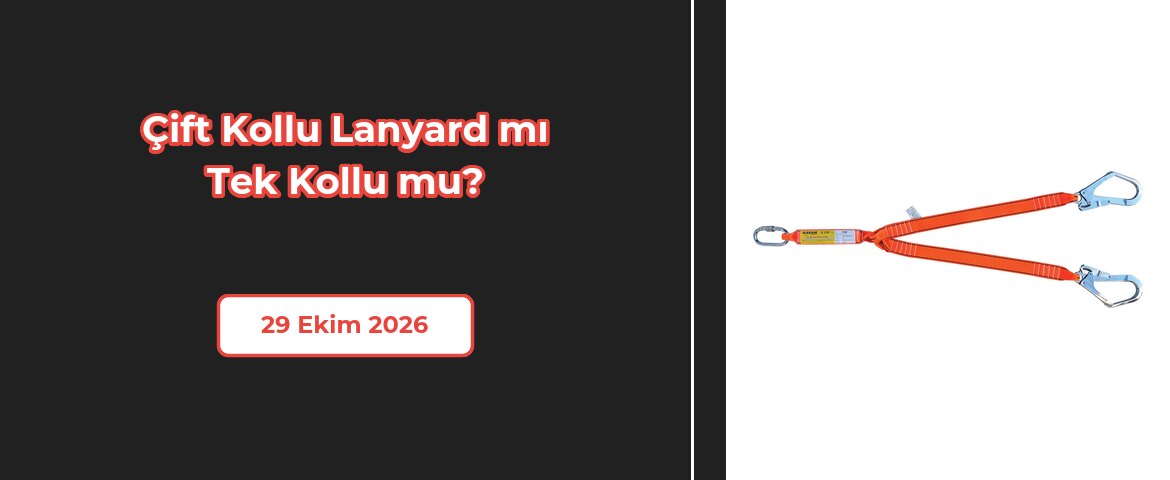
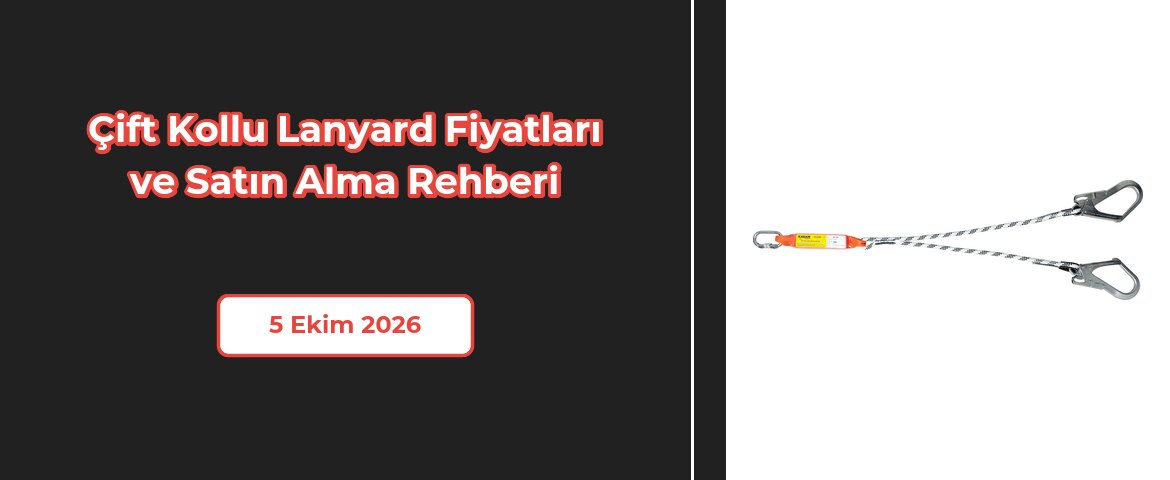
A shock-absorbing lanyard is designed to absorb the shock generated at the moment of a fall. In this way, the damage caused by the impact of the fall is minimised. Double-leg lanyard models are a type of lanyard with two separate connection points to give the user freedom of movement. As a result, the user remains continuously secured while moving from one point to another.
Lanyards are used particularly in the construction sector, where work is carried out on tall structures, in climbing and mountaineering activities, in the telecommunications sector, in power plants such as wind turbines, and in general in every kind of area that requires working at height. Their use increases the safety of the work area and prevents serious injuries.
Lanyard Materials and Manufacturing Techniques
Work safety is the sum of the steps taken to protect the health and safety of workers. Especially in jobs where there is a risk of falling from height, lanyards are an important part of this protection. Those who wonder what lanyard means can do detailed research on this subject. This equipment varies according to material selection, manufacturing techniques and intended use.
The materials used in lanyard production include polyamide, polyester and Kevlar. Thanks to its flexibility and high strength, polyamide is generally preferred in fall arrest systems. Polyester stands out for its resistance to UV rays and chemicals. Kevlar is known for its excellent resistance to high temperatures and is used in jobs that require protection against flames.
One of the important points to consider in lanyard manufacturing is the stitching technique used. Strong and durable stitching directly affects the performance of the lanyard under weight and stress. In addition, lanyards produced with state-of-the-art weaving machines offer a more homogeneous structure and high strength.
What to Consider When Choosing a Lanyard
There are some critical points to consider when choosing a lanyard. Some of these points can be listed as follows:
- Attention should be paid to the maximum working height at which the lanyard will be used and the weight capacity it can carry.
- The lanyard must suit the user's body and provide comfort during prolonged use.
- Adjustable lanyards offer customisable comfort for different body types and working positions.
- The durability of a lanyard varies according to material quality, manufacturing techniques and the environmental factors to which it will be exposed.
- Lanyards that comply with international standards and certifications such as ANSI and OSHA should be preferred for safety.
- A model equipped with additional features such as integrated fall indicators, quick-connect mechanisms and abrasion resistance should be selected.
Work safety is an issue that must never be neglected, and choosing the right lanyard is one of the most important steps in this area. The material, the manufacturing quality and the lanyard itself must be selected to best suit the work to be carried out.
Lanyard Safety Standards and Certifications
Lanyard products are vital safety equipment. Not every lanyard is designed to have the same properties. The compliance of this equipment with safety standards is of great importance. When international safety certifications are considered, different standards come into play. EN 355 is the European standard for energy absorbers used in fall arrest systems. This standard defines the maximum arrest force and energy absorption values in the event of a fall. The European standard requires lanyards to have a specific length and strength.
ANSI Z359.13 is another important standard for fall arrest systems in the United States. This standard limits the force to which a person is exposed during a fall and defines the performance criteria of the equipment that will arrest the fall. The compliance of lanyards with these standards is documented by CE and OSHA certifications. The CE mark indicates that the product complies with the European Union's safety, health and environmental protection standards.
Lanyard Design and Features
The design and features of lanyards vary according to the areas in which they are used. This equipment is usually made of synthetic materials such as nylon or polyester for durability and flexibility. It is also important that they are resistant to abrasion and UV rays. The length of the lanyard varies depending on the characteristics and requirements of the work area. Adjustable-length lanyards are generally preferred. The width, in turn, plays a role in distributing the force applied to the body in the event of a fall. This equipment is fitted with various safety locks to secure the user. These locks must allow quick and safe connection and disconnection.
Energy absorbers reduce the impact force to which the person is exposed by absorbing energy during a fall. The energy-absorbing feature is a critical factor in preventing serious injuries. It is important for the lanyard to be adjustable for different working conditions and user sizes. Being adjustable to the desired dimensions is a feature that provides comfort and flexibility.
Lanyard Use and Installation
Work safety is an indispensable issue for the health and safety of workers in every sector. Especially in jobs where there is a risk of falling from height, the use of a lanyard is of vital importance. As part of personal protective equipment, the lanyard is designed to protect workers from falls. The correct use, installation, maintenance and cleaning of this equipment are of great importance for ensuring safety.
Lanyard use begins with choosing the right product. Selecting a lanyard suitable for the working environment and the type of work to be performed maximises safety. Installing the selected lanyard requires care and attention. The lanyard must be connected correctly and securely to the designated main anchor point. This connection must have the capacity to safely arrest any fall that may occur during work.
Lanyard Maintenance and Cleaning
Regular maintenance and cleaning are essential for the safe use of a lanyard. Maintenance includes inspecting the lanyard before and after each use. During inspections, tears, abrasion, damaged components and any damage that could affect functionality should be looked for. You should inspect the lanyard before and after every use.
If there is any sign of damage, you should stop using the lanyard and replace it immediately. The lanyard should be cleaned in accordance with the cleaning instructions recommended by the manufacturer. Generally, using lukewarm water and a mild detergent is sufficient. You can put the lanyard away in its storage area once it has dried completely. You should store this equipment in a dry, clean place away from direct sunlight and chemicals.
Industrial and Commercial Use of Lanyards
In the industrial field, lanyards are widely preferred in sectors such as construction, energy and telecommunications. Thanks to their elastic structure, lanyards absorb shock at the moment of a fall and ensure that the worker suffers less harm. In commercial use, they are used at trade fairs, conferences and corporate events to prevent important items such as ID cards or keys from being lost. In both industrial and commercial use, lanyards are also preferred to increase brand awareness. With their customisable designs, they can carry companies' logos and slogans and become an effective advertising tool.
Lanyard Models and Prices
Lanyards, used to ensure safety in our daily lives and workplaces, stand out for both their functionality and their aesthetic designs. Lanyard models, which allow us to safely carry many items from ID cards and keys to USB sticks and whistles, come in a variety of materials, colours and designs. Produced from durable materials such as polyester, nylon and cord, lanyards can have different features such as printed, plain-coloured or reflective. Their prices vary according to material quality, design and customisation options. Generally falling within an economical range, these products are among the indispensable accessories for everyday use. By reviewing lanyard price options, you can buy the most suitable model and start using it with confidence.
Double-Leg Shock-Absorbing Lanyard
A double-leg shock-absorbing lanyard is a piece of work safety equipment specially designed to ensure the safety of workers in jobs with a risk of falling from height. This special type of lanyard offers the user freedom of movement while providing maximum protection in the event of a possible fall. Having two connection points guarantees that the user is continuously secured; they remain protected even while moving from one point to another. Thanks to its shock-absorbing feature, it reduces the impact force generated during a fall, thereby minimising the stress applied to the body and the risk of injury during the fall. Made from durable materials, the double-leg shock-absorbing lanyard shows high resistance to severe weather and harsh working conditions.
Frequently Asked Questions About Lanyards
In which situations should a lanyard be used?
Lanyards should be used to provide protection against the risk of falling when working at height. They hold an important place as work safety equipment.
What types of lanyards are there and what are the differences between them?
The types include single, double and adjustable lanyards. Single lanyards are used for simple connections, while double lanyards are used so that the user can connect to two points without restricting their movement. Adjustable lanyards are ideal for situations where different lengths are required.
Can I get information about lanyard materials and durability?
The materials generally include nylon or polyester. While nylon offers flexibility, polyester is more resistant to water and UV rays.
How is a lanyard cleaned and maintained?
Lukewarm water and a mild detergent should be used for cleaning, and harsh chemicals should be avoided.
What should I pay attention to when choosing a lanyard?
Choosing a material suitable for the environment in which it will be used, having the necessary certifications and a design suited to the intended use are important.
What is the load capacity of a lanyard and what are its usage limitations?
The load capacity is generally between 100 and 140 kg. Usage limitations may vary depending on the wear condition of the material and environmental effects.
What is the durability and service life of a lanyard?
Its durability can be increased with regular maintenance and correct use. The average service life under intensive use is between 3 and 5 years.
Let our team recommend the best equipment for your needs and quote you quickly.